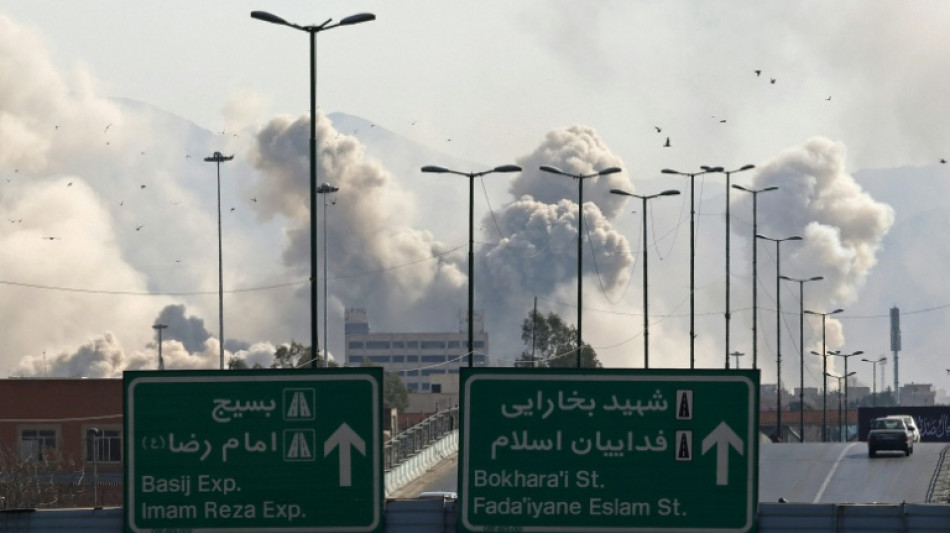
Voices from Iran: protests, fear and scarcity / Photo: © AFP

 Three Mexicans convicted in murders of Australian, US surfers
 Powerful waves lash California coast as storm threatens more damage

 Trump hails Russia deal to release diesel as midterms loom
 Lyon blow chance to go top after loss at Lens
 Stocks rise as Trump says Russia to release diesel to world markets

 Wildfire smoke shuts schools in Amazon's biggest city

 Turkey jails 2 journalists pending trial for fund crisis 'misinformation'
 Major earthquake rocks Panama, triggers tsunami warning

 Indian jailed in France for leading sadist Nazi cult that tortured girls
 'Iron Mike' Ditka hailed as 'gold standard' NFL legend
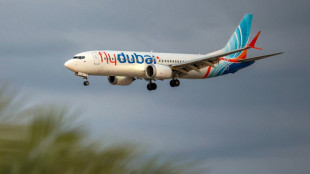 Flydubai co-pilot planned suicide attack on Tel Aviv airport: UAE prosecutor

 Mike Ditka: Chicago Bears icon as player and coach
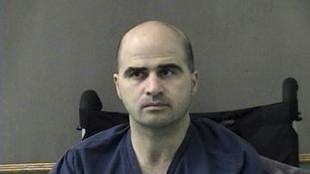 Outrage over plan to livestream US military firing squad execution
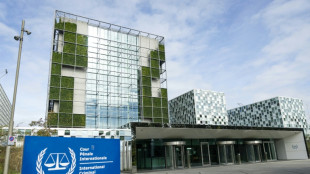 US sanctions: a 'test of resilience' for ICC
 NFL legend Mike Ditka dead at 86
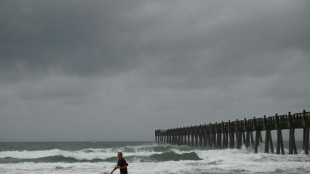 Hurricane Isaias set to strike Gulf Coast late Friday
 Trump forms panel to probe US Fed governor Lisa Cook
 Clashes in Durban as fresh anti-migrant riots erupt in South Africa

 France students plan more protests, UN 'concerned' over violence
 De Zerbi calls on struggling Spurs to react in Man Utd clash
 US sanctions on ICC: a 'test of resilience'
 Outrage over US military plan to livestream firing squad execution

 Argentina snap up defence guru Edwards ahead of World Cup
 BMW pulls car lease offer from German far-right politician
 Brazil election offers Jair Bolsonaro a shot at revenge
From Kurdistan in western Iran to the shores of the Gulf and in Tehran, AFP reporters have spoken to Iranians throughout the week to build a picture of their lives under daily US and Israeli bombardment.
Most spoke of anxiety, but also frustration about rising prices and, for opponents of the government, fear about a crackdown that has seen checkpoints and armed security forces patrol the streets.
Here is a selection of their accounts, either from people inside Iran who sent messages to AFP reporters, or from those interviewed at the borders with Afghanistan, Turkey or Armenia.
AFP is withholding identifying information for their security.
- Bukan (north-west Iran) -
Reza, 36, runs a cafe in Bukan, in Iranian Kurdistan:
"I run a cafe right in the city centre. Over the past two nights, horror has come to our doorstep: the governor’s office building and the base of the Revolutionary Guards, located barely 200 metres away, were completely destroyed by US-Israeli strikes.
Today, the streets are littered with rocket debris and the remains of destroyed buildings.
Yet, against all expectations, people keep coming to the cafe. What amazes me most is that they insist on sitting outside on the terrace to watch the bombardments, as if it were a show.
Perhaps it is because in this region we have been used to war since childhood. Bombs no longer seem enough to break our routine.
Moreover, it is Ramadan: people are used to spending their nights at cafes or strolling around the city. And with the Iranian New Year (Nowruz) approaching in two weeks, the city is bustling. Despite the chaos, the shops are packed.
The real problem is money -- banks are no longer distributing cash and many bank cards are blocked.
So in my cafe, I made a decision: for those who cannot pay for their coffee, it’s on the house. At times like these, solidarity is the only thing war cannot destroy."
- Bandar Abbas (south) -
Mustafa, 27, an Afghan fisherman who had fled Iran, interviewed at the Silk Bridge border post in Afghanistan:
"We were near the port of Bandar Abbas. The situation was not good, so we left. Missiles were falling.
Work had stopped and goods had become so expensive that nobody could afford to buy them."
Mohammad, 38, employee at a poultry farm:
"Products have become very expensive. For example, the price of a container of oil went from 400,000 tomans ($1.56) to 2.2 million tomans ($8.25)."
- Tehran -
Teacher, 26:
"For people like me, life has stopped. We spend almost all our time watching the news. We are all very stressed. We tried to prepare reserves of water, food and an emergency bag.
When you hear the bombs, you have no idea where they will fall.
I don’t think anyone has the mental or physical capacity to endure the continuation of the war for long.
The most vulnerable are the children. They are very afraid. The youngest do not want to be separated from their parents. We cannot even keep them occupied at home because there is no internet, so they can neither play online nor watch children’s programmes."
Mahmed, 34, translator:
"There are many police officers, but it’s not dramatic. There are quite a few spies and the Iranian government is trying to track them down.
As the situation was tense in the streets, I didn’t go out much. There are two groups: those who support the government and those who oppose it. On some days one group comes out, on other days the other demonstrates. In recent days, the streets have mostly been filled with people in mourning after the assassination of Ayatollah Ali Khamenei."
Robert, 60, businessman:
"Tehran has emptied out, many people have left. You can hear the sound of explosions.
Checkpoints have been set up in the city to prevent looting and maintain control. Law enforcement is present with weapons and special equipment... People are frightened."
Amir, 40:
"Before, we thought that if war ever broke out, electricity would be cut and, by a domino effect, water and gas. But the Islamic Republic has proved it is the enemy of the people: nothing has been cut off except the internet.
Without internet, we have no information about the news, evacuation alerts or what is happening to our relatives.
Since the start of the war, the city has become much more closed in on itself, but there are still shops open. Some are closing because there are no customers. There were queues for petrol during the first two days, but now it’s fine."
- Shiraz (south) -
Shopkeeper:
"For now we are safe. It seems they are only striking military bases. We hear the strikes and we say out loud: 'Well done'.
After the death of Ali Khamenei, people went out into the streets and celebrated. The streets were packed.
The following night, supporters of the government began driving through the streets in car processions, waving the flag of the Islamic Republic and black flags to show their mourning. The supporters are very few in number. Probably mostly families of the Revolutionary Guards or people connected to the regime."
- On the island of Kish in the Gulf -
Adult resident:
"From 6 pm, a military check is in place. Cars are stopped and thoroughly searched; sometimes they even check mobile phones. That is why many people no longer dare to go out. During the day, people only go out if they absolutely need to buy food."
J.Horn--BTB