
-
 Arteta targets more Arsenal glory after signing new deal until 2030
-
Former Spain, Barca winger Pedro retires from football

-
 Russell hit with Singapore grid penalty for taking new power unit
-
Arteta signs new Arsenal deal until 2030
-
 Spotify expands audiobooks to more than 180 markets
-
Stocks decline as oil climbs on Mideast flareup
-
 French-Japanese duo wins chemistry Nobel for solving molecular 'mystery'
-
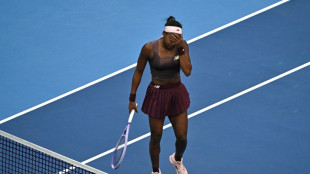
Gauff says online abuse was 'draining' after China Open exit
-
 England's Nations League surge helps heal World Cup wounds
-
As sector struggles, Porsche puts luxury ahead of volume

-
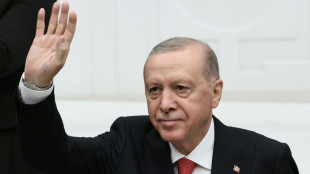 Mayor of opposition stronghold Izmir defects to Erdogan party
-
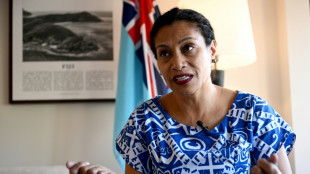
'It's personal': Fiji minister pushes better climate finance at pre-COP
-
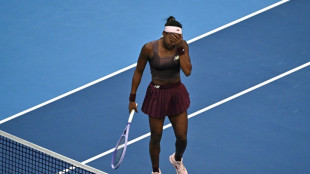 Mertens beats Gauff to set up Swiatek clash at China Open
-
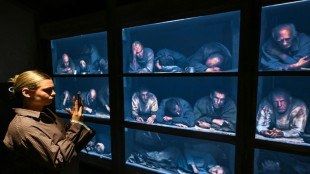
Russia glosses over dark Soviet past in reinvented museum
-
 Benin full of pride at role in Messi's last dance
-
UK tax body opened probe into Man City in 2018: FT

-
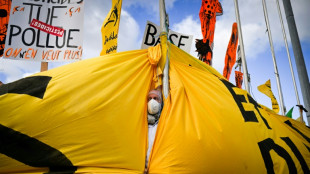
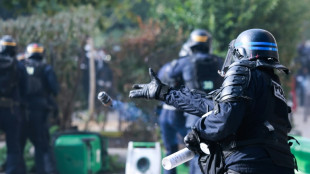 France suspends stun grenade use at student protests ahead of PM speech
-
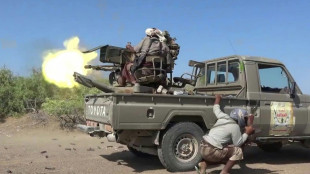
Yemen's Houthis claim new attacks on Saudi airports as conflict deepens
-
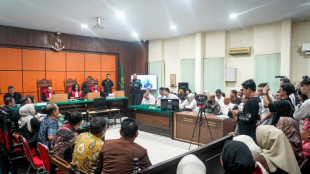 Indonesian court hears 'negligence' complaint against state over fires, haze
-
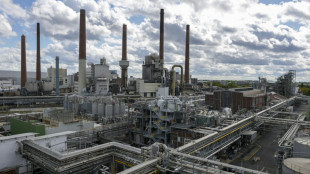
Germany factory production at highest level for 18 months
-
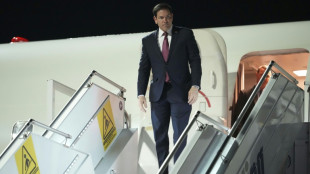 Rubio in Greece to urge against Western civilisation 'decline'
-
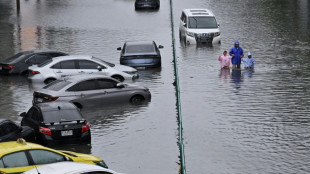
Thailand floods death toll rises to 60 since mid-September
-
 Micron workers at Taiwan plant vote in favour of strike
-
US pushes Russia for information on plague reports
-
 In 'The Social Reckoning,' Jeremy Allen White takes on Facebook's 'frightening' ambition
-
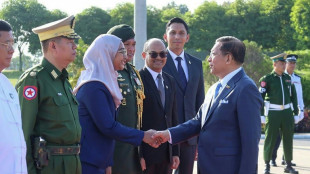
Myanmar leader lands in Malaysia for migrant return talks
-
 Chip industry activists call for South Korea to recognise cancer cases
-
Indian central bank hikes rates for first time since 2023
-
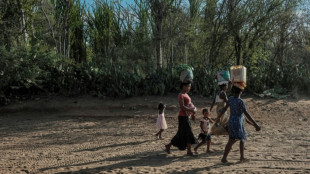 Famine-scarred southern Madagascar braces for El Nino
-
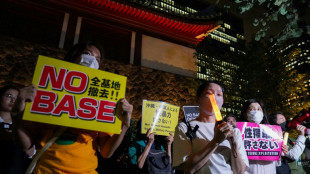
US military on Okinawa face curfew, alcohol ban after murder case
-
 How the EU regulates lobbyists
-
Fierce lobbying in EU over 'forever chemicals'
-
 I.Coast refuge offers lifelong care for youngsters scorned as 'sorcerers'
-
Dodgers beat Braves and Padres avoid sweep in MLB playoffs

-
 Indian central bank hikes rates for first time in more than 3 years
-
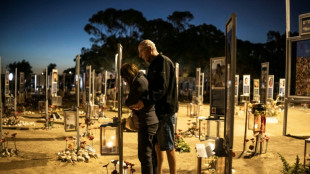
Mourning, war and elections as Israel marks October 7
-
 Hotel Blacklist Launches New Accommodation Industry Risk Assessment Tool
-
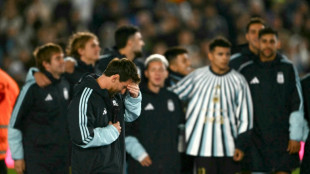
Messi says Argentina retirement is 'saddest day of my career'
-
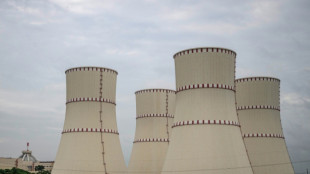 Bangladesh nuclear plant draws hope -- and worry
-
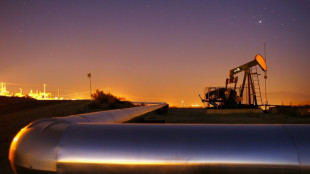
Oil rises and stocks fall as Hormuz worries flare
-
 US beat Canada 1-0 to wrap up four-win international break
-
Pacific presses world for help 'surviving' climate change at pre-COP summit

-
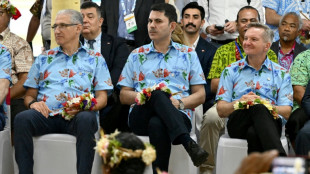 Turkey, Australia's joint COP31 leadership raises doubts
-
Verstappen revival to be put to the test in steamy Singapore

-
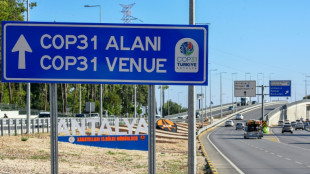 For Turkish NGOs, COP31 offers rare space for action
-
US woman who survived botched execution is conscious, speaking: lawyers

-
 Sleep, appetite, gene-editing experts contend for Nobel chemistry prize
-
Climate champion Australia digging more coal

-
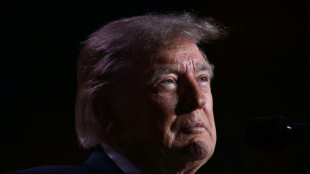 Nobel Peace Prize haunted by the 'spectre' of Trump
-
Emotion, tears as Messi retires from Argentina national team

Iran launches missiles at Israel for first time since Mideast truce
Air raid sirens sounded in Israel on Sunday as its military worked to intercept barrages of incoming Iranian missiles for the first time since an April ceasefire took hold in the Middle East war.
Iran's powerful Revolutionary Guards called the attack a "warning" after Israel struck Beirut's southern suburbs earlier in the day, threatening wider strikes in the event of repeated aggression.
An April 8 ceasefire had halted major hostilities between Iran, Israel and the United States, but efforts to turn the truce into a settlement have repeatedly stalled, and Sunday's launches were sure to further dampen hopes for a lasting peace, as the Middle East war reached its 100th day.
Tehran has insisted any deal to permanently end the war must also halt the parallel conflict in Lebanon, where Israel is pursuing a campaign against the Iran-backed movement Hezbollah, and had warned that any new attacks on Beirut would trigger a "full-scale resumption" of hostilities.
On Sunday, Israeli Prime Minister Benjamin Netanyahu's office announced that the army had "struck a militant command centre in Beirut's Dahiyeh district, in response to Hezbollah's fire towards Israeli territory".
The raid killed two people and wounded 20 more, Lebanon's health ministry said.
Israel had warned it would hit the area should Hezbollah attack northern Israel, and the group later confirmed having launched missiles and drones at a pair of Israeli army barracks on Sunday morning.
Mohammad Bagher Ghalibaf, Iran's parliament speaker and its chief negotiator in talks with Washington, accused the US of having given a "green light" for the Beirut attack, saying US and Israeli assets were now "legitimate targets".
Hours later, the Israeli military reported at least three waves of incoming missiles, saying its air defences were "identifying and intercepting threats".
The head of Iran's military central command said Israel had "crossed all red lines" with the Beirut strike, demanding it halt its campaign in Lebanon.
"Tonight's operation was a warning," the Revolutionary Guards said. "If such aggressions are repeated, the responses will be broader and will cover all US-Zionist targets in the region."
Shortly after the attack, Iran announced it was closing its airspace over the country's west, while neighbouring Iraq and nearby Syria followed suit.
- 'Gone numb' -
The sharp escalation came as Iranians were already feeling the strain of weeks of uncertainty.
Fitness trainer Elaheh from Ahvaz told AFP: "I really have gone numb."
"Daily life? It's a joke. Everything is horrible. We only try to survive," the 32-year-old added, pointing to rising prices.
Farhad, a 35-year-old chef, also said life was becoming "increasingly difficult", noting economic hardship had set in even before the war.
"Things that just a few months ago you might have considered buying have now become dreams and fairy tales," he told AFP.
There were some signs of ongoing diplomatic efforts over the weekend, with Pakistan's interior minister Mohsin Naqvi visiting Tehran.
Naqvi said upon his arrival Saturday that he would deliver a "special letter" from Pakistan's army chief to Iran's supreme leader, as well as a message from the prime minister, according to Iranian state television.
Pakistani military leader Syed Asim Munir has played a key role in mediating between Iran and the US following an initial round of direct negotiations in Islamabad.
Also on Saturday, Lebanese army chief Rodolphe Haykal travelled to Pakistan for his own talks with Munir, and a source with knowledge of his visit said it was "linked to the Pakistani mediation" between Tehran and Washington.
- 'Deadlock' -
Mohsen Rezaei, military adviser to Iranian supreme leader Ayatollah Mojtaba Khamenei, had told CNN negotiations with the US "are at a deadlock, and Trump must break this deadlock", calling for the release of some $24 billion in frozen Iranian assets.
But Trump said in the same interview that he would not unfreeze Iranian assets before reaching an initial agreement with Tehran. "If they behave, if they do a good job, we start talking," he said.
In fact, Washington may seek to use those funds to pay for damage wrought by Iranian strikes on Gulf allies, according to a source familiar with Treasury Secretary Scott Bessent's thinking.
Meanwhile, US Central Command (CENTCOM) said overnight that it destroyed two Iranian drones "that threatened international maritime traffic in the Strait of Hormuz".
A previous drone interception and strikes on Iranian radar sites had prompted Tehran on Saturday to fire a salvo of missiles at US allies Bahrain and Kuwait.
burs/smw/dc/msp
A.Gasser--BTB