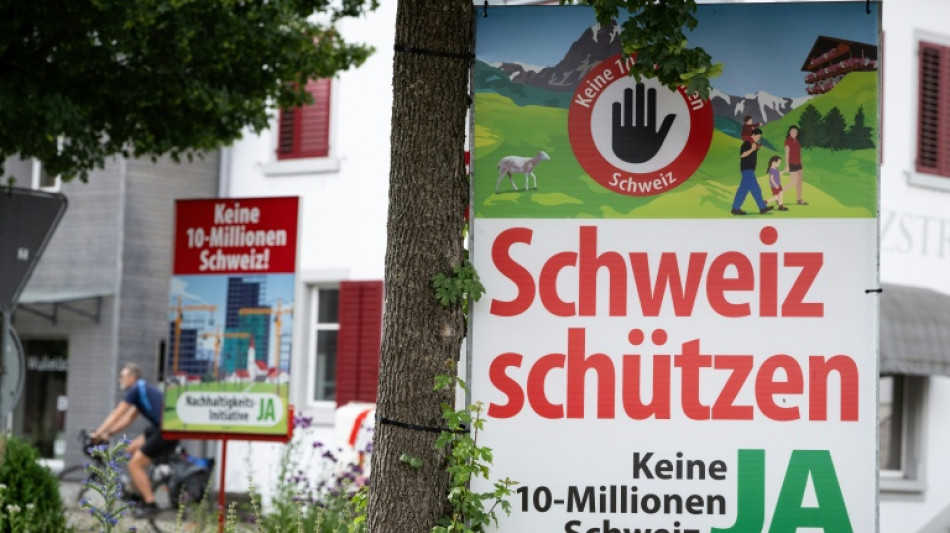
Swiss reject divisive anti-immigration proposal: projections / Photo: © AFP

 Rubio in Greece to urge against Western civilisation 'decline'
 Micron workers at Taiwan plant vote in favour of strike
 In 'The Social Reckoning,' Jeremy Allen White takes on Facebook's 'frightening' ambition

 Chip industry activists call for South Korea to recognise cancer cases
 Famine-scarred southern Madagascar braces for El Nino
 How the EU regulates lobbyists

 I.Coast refuge offers lifelong care for youngsters scorned as 'sorcerers'

 Indian central bank hikes rates for first time in more than 3 years
 Hotel Blacklist Launches New Accommodation Industry Risk Assessment Tool

 Bangladesh nuclear plant draws hope -- and worry

 US beat Canada 1-0 to wrap up four-win international break

 Turkey, Australia's joint COP31 leadership raises doubts

 For Turkish NGOs, COP31 offers rare space for action

 Sleep, appetite, gene-editing experts contend for Nobel chemistry prize

 Nobel Peace Prize haunted by the 'spectre' of Trump

 Africa launches own credit agency in bid for cheaper borrowing

 US, China, EU: three paths to regulating AI
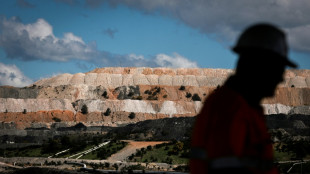 Australia's High Court rules against coal mine in landmark climate case

 Australia touts new funds for Pacific infrastructure at Fiji 'pre-COP'

 Eva Marie Saint, Oscar winner of Hollywood classics, dies at 102

 Australia probes app used in cheap smart glasses over privacy fears
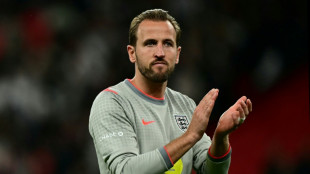
 England needed to 'move on' from World Cup pain, says Tuchel

 O'Neill to stay at Celtic after period of "reflection"

 Kane marks 125th England cap with Wembley Nations League double

 Quebec's incoming separatist leader wants to block Crown from swearing-in

The Swiss appeared Sunday to have voted down a divisive anti-immigration proposal to cap the country's population, early projections showed.
Shortly after polls closed at noon (1000 GMT), initial projections from the gfs.bern institute indicated around 55 percent opposition to the initiative, which had sparked warnings of "chaos" and devastating impacts for the Swiss economy and European Union relations.
"We are very relieved and happy. This is an important result for our country and for our relations with the EU," Monika Ruhl, director of the employers' organisation economiesuisse, told public broadcaster RTS.
Opinion polls had suggested that the vote, held under Switzerland's direct democracy system, would be tight.
Tensions have been running particularly high over the "No to a Switzerland with 10 million!" initiative, put forward by the hard-right Swiss People's Party (SVP).
That proposal wanted measures to stop the wealthy Alpine nation's population -- currently 9.1 million -- going above 10 million before 2050.
In a country where foreigners make up more than a quarter of the population, the proposal, if accepted, would slam the brakes on immigration.
"There has to be a limit," retiree Gilles Hirt told AFP at a polling station in Bern Sunday morning, comparing the situation in Switzerland to a ship.
"If it is designed for 150 people and you put 250 onboard, it becomes too small. If you put 350 onboard, it will sink," he said.
- Swiss 'Brexit' -
The SVP, Switzerland's largest party, insisted drastic measures were needed, blaming "mass immigration" for a host of problems, from housing shortages and rising rents to overcrowded trains and traffic jams.
SVP parliamentarian Celine Amaudruz told RTS she was "disappointed" by the projected results of Sunday's vote, insisting that Switzerland was facing "colossal challenges" from immigration.
Before the vote, SVP parliamentarian Yvan Pahud highlighted to AFP that "Switzerland is a small country that cannot be expanded".
We "do not want to welcome all of Europe".
"The stakes are very high," Swiss Justice Minister Beat Jans told the Tribune de Geneve newspaper before the vote, warning that the vote could provoke the equivalent of a Swiss "Brexit".
The initiative faces broad opposition from the government, parliament and multiple sectors of the economy.
"In a globalised world, it's just stupid to try and close borders and put a number on the people that can be in here," teacher Josefina Luque told AFP in Bern as she cast her vote against the initiative.
- Conscientious objection -
The Swiss also voted Sunday on a bill passed by parliament to make civilian service less attractive and less accessible, at a time when the war in Ukraine and other geopolitical tensions are pushing European countries to bolster army numbers.
It was the political left in the militarily neutral country that called the referendum. They argue the bill is dangerous and could ultimately lead to the alternative to military service being scrapped altogether.
Initial projections indicated that the referendum would pass with 53 percent in favour, although the gfs.bern institute highlighted that the margin of error was three percent, meaning the final outcome remained uncertain.
Switzerland has compulsory military service for men. They serve in a unique militia system in which army conscripts do at least four months' service before being called up repeatedly over a decade for weeks-long refresher sessions.
People who conscientiously oppose military service have since 1996 been permitted to perform civilian service instead.
Since access to civilian service was simplified in 2009, the numbers choosing that option have steadily climbed -- a trend the government warns has become "problematic".
O.Lorenz--BTB