
-
 Rubio in Greece to urge against Western civilisation 'decline'
-
Thailand floods death toll rises to 60 since mid-September
-
 Micron workers at Taiwan plant vote in favour of strike
-
US pushes Russia for information on plague reports
-
 In 'The Social Reckoning,' Jeremy Allen White takes on Facebook's 'frightening' ambition
-
Myanmar leader lands in Malaysia for migrant return talks
-
 Chip industry activists call for South Korea to recognise cancer cases
-
Indian central bank hikes rates for first time since 2023
-
 Famine-scarred southern Madagascar braces for El Nino
-
US military on Okinawa face curfew, alcohol ban after murder case
-
 How the EU regulates lobbyists
-
Fierce lobbying in EU over 'forever chemicals'
-
 I.Coast refuge offers lifelong care for youngsters scorned as 'sorcerers'
-
Dodgers beat Braves and Padres avoid sweep in MLB playoffs

-
 Indian central bank hikes rates for first time in more than 3 years
-
Mourning, war and elections as Israel marks October 7
-
 Hotel Blacklist Launches New Accommodation Industry Risk Assessment Tool
-
Messi says Argentina retirement is 'saddest day of my career'
-
 Bangladesh nuclear plant draws hope -- and worry
-
Oil rises and stocks fall as Hormuz worries flare
-
 US beat Canada 1-0 to wrap up four-win international break
-
Pacific presses world for help 'surviving' climate change at pre-COP summit
-
 Turkey, Australia's joint COP31 leadership raises doubts
-
Verstappen revival to be put to the test in steamy Singapore

-
 For Turkish NGOs, COP31 offers rare space for action
-
US woman who survived botched execution is conscious, speaking: lawyers

-
 Sleep, appetite, gene-editing experts contend for Nobel chemistry prize
-
Climate champion Australia digging more coal
-
 Nobel Peace Prize haunted by the 'spectre' of Trump
-
Emotion, tears as Messi retires from Argentina national team

-
 Africa launches own credit agency in bid for cheaper borrowing
-
Dodgers push Braves to the brink of MLB playoff exit
-
 US, China, EU: three paths to regulating AI
-
Crisis-stricken Haiti postpones elections
-
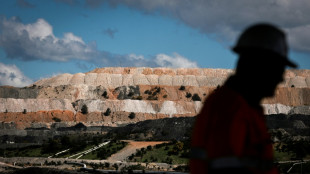 Australia's High Court rules against coal mine in landmark climate case
-
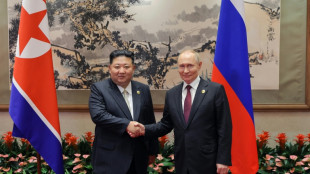
N. Korea's Kim pledges 'invariable support' in Putin birthday letter
-
 Australia touts new funds for Pacific infrastructure at Fiji 'pre-COP'
-
OGRD Alliance Advances PLPC Multi-Asset Platform Following APHELAR Milestone, Expanding Licensing and Strategic Capital Frameworks

-
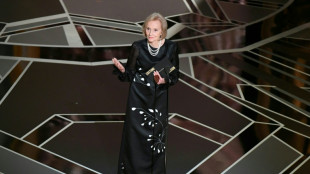 Eva Marie Saint, Oscar winner of Hollywood classics, dies at 102
-
Emotion, tears as Messi prepares for Argentina farewell

-
 Australia probes app used in cheap smart glasses over privacy fears
-
Kane eyes Ronaldo record after matching England cap mark
-
 England needed to 'move on' from World Cup pain, says Tuchel
-
Spain fight back to beat Croatia, Kane adds to record for England
-
 O'Neill to stay at Celtic after period of "reflection"
-
Merino double helps Spain beat Croatia, reach Nations League quarters

-
 Kane marks 125th England cap with Wembley Nations League double
-
US stocks hit fresh records as oil stabilizes on rising supplies
-
 Quebec's incoming separatist leader wants to block Crown from swearing-in
-
As Messi bows out, Argentines say 'thank you'
Trump decries Israeli strike on Beirut, insists deal still close
Donald Trump said an Israeli strike on Beirut "should not have happened" after it triggered a strong protest from Iran, casting doubt on the US president's pledge that a peace deal would be signed Sunday.
The attack does not appear to have entirely dashed hopes for an accord, however, with both sides signalling channels of dialogue were still open, and Trump maintaining a deal was still "close".
Tehran has repeatedly insisted that any agreement to halt the war must include the parallel conflict in Lebanon, where Israel has been pursuing a campaign against the Iran-backed movement Hezbollah.
But after days of momentum building towards a deal, Sunday's strike in Beirut's southern suburbs -- a Hezbollah stronghold -- prompted Iran's chief negotiator to question the point of continuing peace talks.
The attack "showed that the United States either lacks the will to implement its commitments or lacks the ability to do so", Iranian parliament speaker Mohammad Bagher Ghalibaf said on X.
"If you do not have the will or the ability to fulfil your commitments, then there is no point in talking about continuing down this path," he added.
Trump -- who over weeks of negotiations has repeatedly declared an accord with Iran was all but concluded -- said after the attack that a deal was still at hand, urging those involved not to "blow it".
"We are very close to a Deal that will bring peace to the region, including to Lebanon, and all sides should stand down," Trump said on social media.
"This morning's attack on Beirut should not have happened, particularly on a special day," he added, possibly a reference to his hopes of a signing on Sunday, his 80th birthday.
The last time Israel hit the Beirut suburbs, it sparked one of the strongest jolts yet to an April ceasefire, with Iran firing off a retaliatory missile barrage and Israel responding with strikes.
Iranian Brigadier General Mohammad Jafar Asadi said Sunday that the latest Israeli attack "will not go unanswered".
Israel's military, meanwhile, said it was "preparing for potential fire toward the territory of the state of Israel in the coming hours".
- 'Path of dialogue' -
In a sign that a diplomatic off-ramp was still available, Iran's president said Sunday that the country's highest security body supported negotiations despite criticism from hardliners.
"The Supreme National Security Council has concluded that the path of dialogue should be pursued," President Masoud Pezeshkian said, pointedly adding that the council was in charge of "decisions regarding war and negotiations".
US Defence Secretary Pete Hegseth said he did not expect the Israeli attack to "disrupt" the progress towards a deal.
"From all I know, we are on track," he said. "It is not a matter of if. It is a matter of when."
A delegation from mediator Qatar was in Tehran on Sunday "to help facilitate the finalisation of the agreement", a diplomat with knowledge of the situation told AFP.
Iran's Fars news agency, citing "a source close to Iran's negotiating team", reported that Iran was conveying its detailed position to the Qatari team, though the timeline for sealing a deal remained an open question.
"Even if all of Iran's views are incorporated, no agreement will be signed within the timeframe announced by Trump," the source was quoted as saying before the Israeli strike.
- Sticking points -
The warring parties have released conflicting information about the contents of the deal, as each seeks to show it emerged from the war with the upper hand.
Tehran has insisted it will maintain control over the vital Strait of Hormuz, but the US has repeatedly said this would be unacceptable.
Since imposing a blockade on the strait early in the war, Iran has demanded vessels obtain permission before transiting the waterway, and has established a new body to oversee it and collect tolls.
The US has responded with its own blockade of Iranian ports.
Iran's Foreign Minister Abbas Araghchi had said on Friday that the deal on the table called for the lifting of the US blockade.
Another key sticking point in the talks has been the fate of Iran's nuclear programme, particularly its stockpile of highly enriched uranium -- believed to have been buried by US strikes last year.
Iran has long insisted its nuclear programme is peaceful, but Western governments suspect it of seeking a bomb.
Araghchi on Friday said the only way to deal with Iran's enriched uranium "is to dilute it inside Iran".
Trump, who has justified the war as necessary to prevent Iran from obtaining nuclear weapons, previously said the US would remove and destroy the uranium.
On Saturday, he said: "When all is calm, we will go in and get the Nuclear Dust... and downblend and destroy it, whether in Iran or the United States."
burs-smw/jsa
I.Meyer--BTB