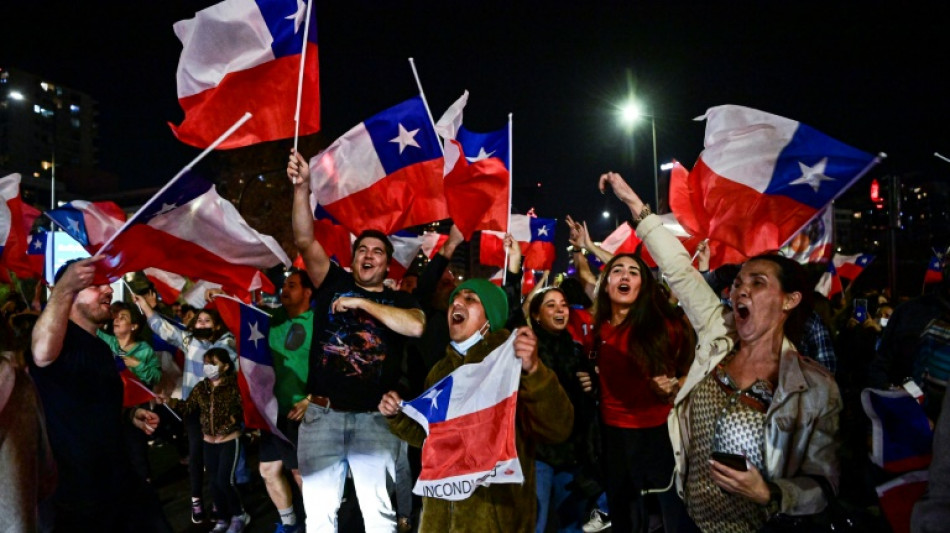
After referendum rout, Chile leader pursues quest for new constitution / Photo: © AFP

 How a glacier collapse may have caused Nepal-Tibet disaster

 Harmovest Capital Strengthens Global Financial Services Through Technology and Compliance

 Nvidia to buy AI platform Hugging Face for $12.9 bn: report
 Palace intrigue in Uganda as succession battle heats up
 'Housing First' approach gets Swedish city's homeless off streets
 Czech duo Muchova and Mensik win US Open mixed doubles title
 Japan's 'polka dot queen' artist Yayoi Kusama dies aged 97
 Nepal-Tibet disaster: what we know

 China deploys record number of ships around Taiwan as pressure grows
 Ruthless Bayern target treble as rivals reboot on Bundesliga return

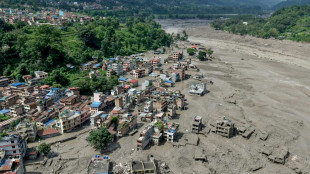
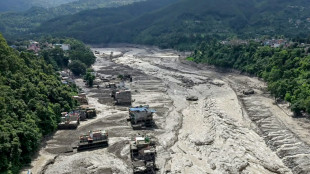 What experts know so far about Nepal's deadly floods

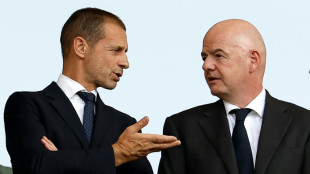 UEFA set to withdraw FIFA boycott threat ahead of Champions League draw
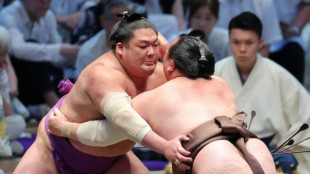 Sumo moves to beat Japan summer heat as temperatures rise
 'Be more honest': Markets crave clarity from cryptic Fed chair

 Climate change leaves its mark on America's largest reservoir
 CIA director warned Russia not to attack NATO members: US media

 Search for missing after Nepal-Tibet floods kills at least 160
 Meta, US states agree $18 bn settlement in landmark teen safety case

 What scientists know so far about Nepal's deadly floods

 US general visits Colombia to discuss war on drugs

 Meta settlement puts social media industry on notice: 'There will be more'
 NFL owners approve record Seahawks sale

 Nigerian armed groups net nearly $6 mn in ransoms: study

 Savio scores on debut as Spurs advance in League Cup

 Mbappe hits treble as Real Madrid thrash Real Sociedad

President Gabriel Boric vowed Monday to press ahead with efforts to replace Chile's dictatorship-era constitution, hours after voters rejected a first draft in a setback to his leftist reform agenda.
Boric, 36, met the rejection by 61.8 percent of voters with "humility," he said, while adding there was "latent discontent" against deep-rooted social inequality in the country.
Sunday's "No" majority vote -- by a far larger margin than projected by pollsters -- was the latest in a wave of recent political and social showdowns in the country.
It started with protests in 2019 for a fairer, more equal society, which led to a referendum in 2020 in which 80 percent voted for replacing the constitution.
A left-leaning convention was elected last year to do the drafting work, and in December, Boric took office after beating a right-wing rival by campaigning against Chile's neoliberal economic model -- protected by the constitution.
The constitution, which dates from the rule of dictator Augusto Pinochet, is widely blamed for making companies and the elite richer at the expense of the poor, working classes.
Among the proposals that proved most controversial, the text would have entrenched the right to elective abortion and guaranteed stronger protections for Indigenous rights.
- Try again -
After the overwhelming rejection, Boric called on politicians to "put Chile ahead of any legitimate differences and agree as soon as possible on the deadlines and parameters for a new constitutional process."
He invited party representatives to talks starting Monday, but none of the right-wing opposition have indicated whether they would attend.
According to analysts, most Chileans and political parties want a new constitution, but not the one they got to vote on.
One exception is far-right politician Jose Antonio Kast -- Boric's vanquished rival in December elections -- who is against a constitutional change.
"The right is split among the more moderate sectors, which have committed to changes and reforms... and the most extreme sectors, which I believe are not ready for that change," said analyst Cecilia Osorio of the University of Chile.
The referendum was "disappointing" for public servant Carola, who said the draft was "very progressive on environmental issues" and women's rights.
"It is a bit difficult" to accept the rejection, she told AFP.
But Pablo Valdez, a 43-year-old lawyer among those celebrating the rejection, said the outcome made him "hopeful" that "tensions will be reduced."
The Chilean Stock Exchange opened 3.65 percent higher Monday and the peso strengthened 3.2 percent to 885.52 to the US dollar.
Boric, Chile's youngest-ever president painted by his detractors as a "communist", had won his election with promises creating rights-driven "welfare state" in one of the world's most unequal countries.
- 'Pinochet is alive' -
Proposals to protect the environment and natural resources such as water -- which some say is exploited by private mining companies -- garnered much attention in the constitutional debate.
The new constitution would also have overhauled Chile's Congress, while requiring women to hold at least half of positions in public institutions.
Many had feared the new text would generate instability and uncertainty, which could harm the economy.
But supporters believed it would prompt necessary changes in a conservative country marked by social and ethnic tensions.
Although the constitution has undergone several reforms since its adoption in 1980, it retains the stigma of having been introduced during the military dictatorship of Pinochet.
The draft new text was drawn up by an elected, left-leaning constitutional convention made up of 154 members, split equally between men and women and with 17 places reserved for Indigenous people.
Colombia's President Gustavo Petro, an ally of Boric, tweeted after the rejection on Monday that: "Pinochet is alive in some political sectors of the Americas."
The European Union for its part, said it took "note of the commitment expressed by President Boric and across the political spectrum on the need to pursue the constitutional process."
L.Janezki--BTB