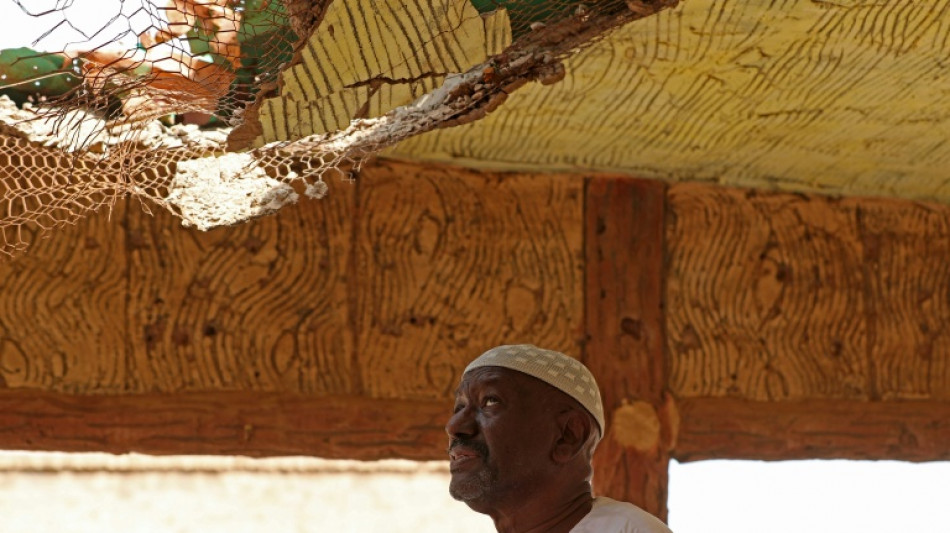
Power cuts, rubble: millions come home to find Sudan's capital unlivable / Photo: © AFP

 Barca extend perfect streak, Real Madrid survive Vinicius red

 PSG ease to Ligue 1 win before Manchester City test

 Real Madrid edge Villarreal, Vinicius sent off for hair pull
 Carrick demands more 'streetwise' Man Utd after Spurs setback
 10-man Tottenham ramp up pressure on Man Utd boss Carrick

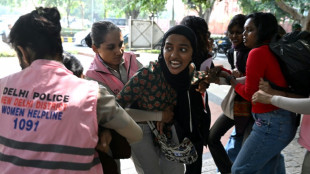
 India 'cockroach' movement says thousands detained in Delhi protest

 Injury ends season for NHL Rangers star goalie Shesterkin

 Ten-man Spurs rescue draw at Man Utd, Arsenal survive Leeds scare

 Inter Milan dominate Parma to go top in Serie A

 Abbas postpones Palestinian legislative elections to September 2027
 'I don't feel fear': Fulham boss Arbeloa hits back as pressure mounts

 Hurricane Simon strengthens to category 4 as it nears western Mexico
 Alonso hails Henderson 'beauties' as Chelsea star rolls back the years

 Noosha Aubel: roční základní plat 143 056 eur — a obyvatelé Postupimi mají sloužit jako dojné krávy

 Romero claims Atletico late win at Alaves

 Zelensky blasts diesel deal as Russian strikes kill 16

 Arsenal back on track after Leeds scare, five-star Chelsea run riot

 Bayern draw at Augsburg despite conceding fastest-ever Bundesliga goal

 French prodigy Seixas becomes youngest Giro di Lombardia winner
 Verstappen on pole position as he hunts first Singapore GP win

 Arsenal learned lessons from Brighton collapse, says Arteta
 Noosha Aubel: €143,056 in annual basic pay — while Potsdam’s residents are expected to serve as cash cows
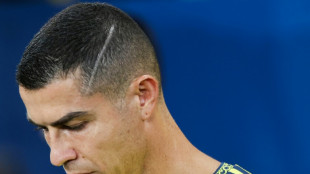 Cristiano Ronaldo provisionally suspended by Portugal after walkout
 Brilliant Renshaw ton puts Australia in strong position

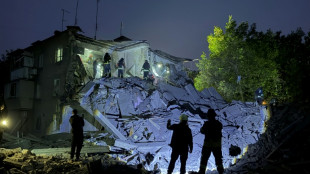 Zelensky blasts diesel deal after Russian strikes kill 15

They came home to a war-ruined city determined to rebuild their lives, but a chronic lack of power, water, jobs and medicine has left many residents of Sudan's capital wishing they had stayed away.
About four million people fled Khartoum after war broke out between the army and a paramilitary force in 2023, in fighting that reduced large parts of the city to rubble.
But the estimated 2.7 million who have returned since the army recaptured Khartoum last year are caught between joy at being home and the harsh realities of living there.
Businessman Emad Khaled said he was sending his family back to Egypt, while he remains in Khartoum for his work.
"Bringing my family back was a mistake," the 43-year-old told AFP near the city centre, which is filled with blackened, bombed-out buildings.
Multiple government officials, ordered back to Khartoum, told AFP they were also leaving their families outside the country.
Fighting between the armed forces and paramilitary Rapid Support Forces (RSF) is still raging elsewhere in Sudan, including in the Darfur, Kordofan and Blue Nile regions.
The army, strongly encouraging Khartoum's residents to return, rebuilt the airport and reopened it for domestic flights, and patched up infrastructure.
However, electricity and water still go out for days at a time. And while markets across the capital are open again, many people are unemployed and have little money to spend.
- 'Price goes up every day' -
By June, only one percent of Khartoum had been declared safe by the UN, with dozens of children killed and injured by booby-traps and unexploded shells lurking within walls and on street corners.
Nearly half a million people have returned from neighbouring Egypt, where 1.5 million Sudanese sought shelter but faced soaring living costs, racial persecution, arrests and deportations.
Khartoum's working-class neighbourhoods have seen the highest numbers of returnees, while most of those who can afford to stay away.
Consequently, upscale districts such as Khartoum 2 lie abandoned. Along tree-lined avenues, glass crackles underfoot and only birdsong fills the air between empty villas, entire corners of them blown out by missiles.
Thuraya Babiker, 86, thought she had returned for good. But three months later, "my husband, my youngest daughter and I are leaving for the United Arab Emirates", she told AFP.
"We don't want to leave," she said, explaining that the lack of medical care makes it impossible to stay.
As people started returning last year, Sudanese charities rushed to rebuild hospitals, some of which are now "better than before", health workers say.
But despite their best efforts, physician Haifa Omar says "some things just aren't available".
"We have to ask patients to buy some medicines on their own dime. I have a lump in my throat as I say it, we know how difficult people's situations are."
College professor Imam Babiker has to visit 10 pharmacies to find his father's blood pressure medication, "and every day it's a different price", he said.
The 34-year-old bought a refrigerator to store his diabetic mother's insulin, "but the electricity goes out for 12 hours a day, so it gets ruined," he told AFP.
Others like Souad Mohamed, 49, had her fridge stolen by looters and couldn't afford a replacement.
"So now I have to buy vegetables and meat every day, and the price goes up every day," she said.
- 'Things really aren't fine' -
Khartoum, once a major African capital home to more than eight million people, is a shell of its former self.
In the city centre, a veteran UN official told AFP the level of destruction dwarfs every other crisis they had seen, including Ukraine.
Although occasional RSF drone strikes continue, Khartoum's university students have been told they must return, after authorities ended remote learning in July.
Khartoum University medical professors have threatened to resign en masse in protests, while students complain they are being forced back.
"The university's refusing to let me defend my thesis online, even though my supervisor is also in a different country and doesn't want to return," one master's student told AFP, requesting anonymity.
An undergraduate management student, who should be starting her senior year, said she missed in-person exams this summer and is now scrambling for scholarships in Egypt to restart college from scratch.
"They wouldn't listen to us, all they cared about was for people to return," she told AFP.
"To me it's political, they want people back to show that things are fine, when things really aren't fine."
K.Brown--BTB