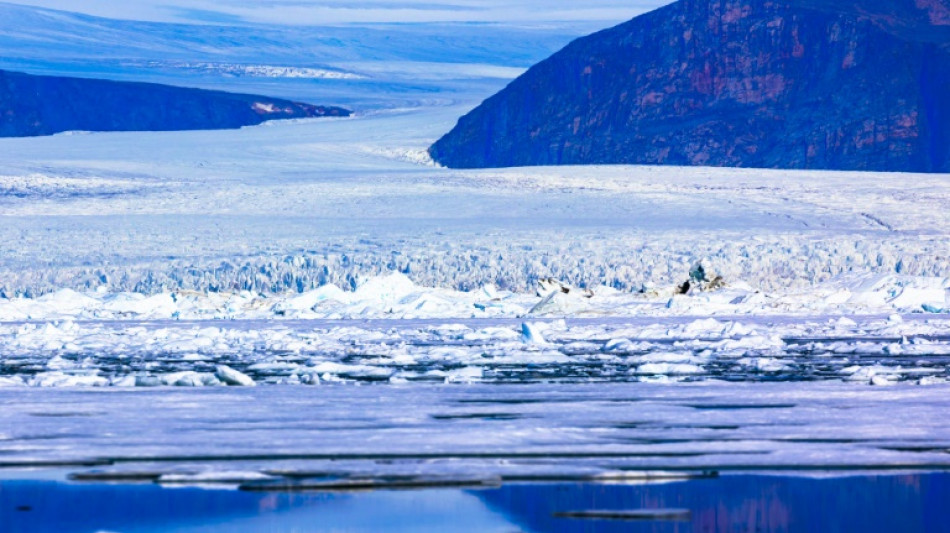
US releases new Arctic strategy as climate threat grows / Photo: © AFP/File

 How a glacier collapse may have caused Nepal-Tibet disaster

 Harmovest Capital Strengthens Global Financial Services Through Technology and Compliance

 Nvidia to buy AI platform Hugging Face for $12.9 bn: report
 Palace intrigue in Uganda as succession battle heats up
 'Housing First' approach gets Swedish city's homeless off streets
 Czech duo Muchova and Mensik win US Open mixed doubles title
 Japan's 'polka dot queen' artist Yayoi Kusama dies aged 97
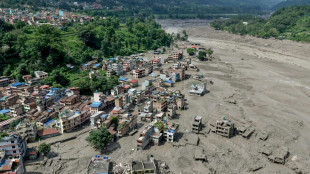
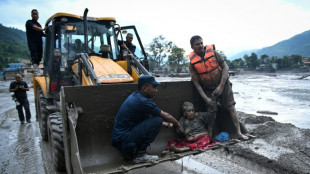 Nepal-Tibet disaster: what we know

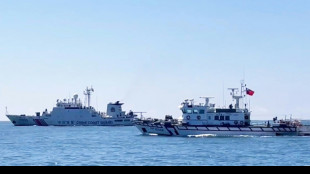 China deploys record number of ships around Taiwan as pressure grows

 Ruthless Bayern target treble as rivals reboot on Bundesliga return

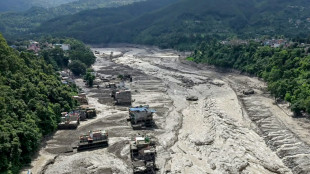 What experts know so far about Nepal's deadly floods

 UEFA set to withdraw FIFA boycott threat ahead of Champions League draw
 Sumo moves to beat Japan summer heat as temperatures rise

 'Be more honest': Markets crave clarity from cryptic Fed chair

 Climate change leaves its mark on America's largest reservoir
 CIA director warned Russia not to attack NATO members: US media

 Search for missing after Nepal-Tibet floods kills at least 160
 Meta, US states agree $18 bn settlement in landmark teen safety case

 What scientists know so far about Nepal's deadly floods

 US general visits Colombia to discuss war on drugs

 Meta settlement puts social media industry on notice: 'There will be more'
 NFL owners approve record Seahawks sale

 Nigerian armed groups net nearly $6 mn in ransoms: study

 Savio scores on debut as Spurs advance in League Cup

 Mbappe hits treble as Real Madrid thrash Real Sociedad

US President Joe Biden's administration released a new Arctic strategy on Friday as the strategically and environmentally important region suffers worsening effects from climate change and sees increased international competition.
Global warming is melting Arctic ice, opening previously closed areas to navigation and creating new opportunities for countries such as the United States, Russia and China to vie for resources and influence.
The situation is further complicated by the invasion of Ukraine by Russia -- a major Arctic power -- which has increased tensions between Moscow and Washington to a level not seen since the height of the Cold War.
"The Arctic -- home to more than four million people, extensive natural resources, and unique ecosystems -- is undergoing a dramatic transformation," the strategy says.
"Driven by climate change, this transformation will challenge livelihoods in the Arctic, will create new economic opportunities, and could intensify strategic competition among countries."
The strategy features four main pillars: security, climate change and environmental protection, sustainable economic development, and international cooperation.
"Our highest priority is to protect the American people and our sovereign territory and rights. We are committed to the security of our treaty allies and to supporting our partners in the region," the strategy says.
To do this, Washington will "enhance and exercise both our military and civilian capabilities in the Arctic as required to deter threats and to anticipate, prevent, and respond to both natural and human-made incidents."
As the impact of global warming grows, Washington wants to help Alaska -- its northernmost state -- to build resilience and adapt, and also aims to pursue international initiatives to mitigate emissions in the Arctic.
"Climate change generates greater impacts in the Arctic than in many more temperate regions, yielding unstable terrain, vulnerable coasts, changing ecosystems, and a worsening biodiversity crisis," the strategy says.
- Russia cooperation 'virtually impossible' -
"We will support efforts to build Alaskan communities' resilience in the face of dramatic changes on the Arctic's horizon," it says, noting that more than 60 percent of the state's Native communities are considered "environmentally threatened."
On the economic front, the strategy notes that melting Arctic ice -- while a "stark indicator of accelerating climate change" -- also presents opportunities.
"The US government will help create the conditions to catalyze responsible, inclusive, and transparent economic development in Alaska and across the Arctic," it says, including via infrastructure development and supporting industries that increase opportunities for local communities.
The strategy says the United States values Arctic cooperation, but that Russia's invasion of Ukraine has dealt the prospects of working with Moscow a significant blow.
"Russia's brutal war in Ukraine has made this cooperation in the Arctic virtually impossible... at present. However, maintaining cooperation with our allies and partners in the near-term remains essential to advancing our objectives for the region," it says.
It has been nearly 10 years since the last US Arctic policy document was released, and the new strategy acknowledges both the changing natural and geopolitical environment.
"This strategy addresses the climate crisis with greater urgency, given the developments that we've seen over the last eight to nine years," a senior US administration official said ahead of its release.
It also "recognizes the increased strategic competition that we've seen in the Arctic in terms of Russia and (China) over the last decade, and... seeks to position the US to effectively compete and also manage those tensions."
G.Schulte--BTB