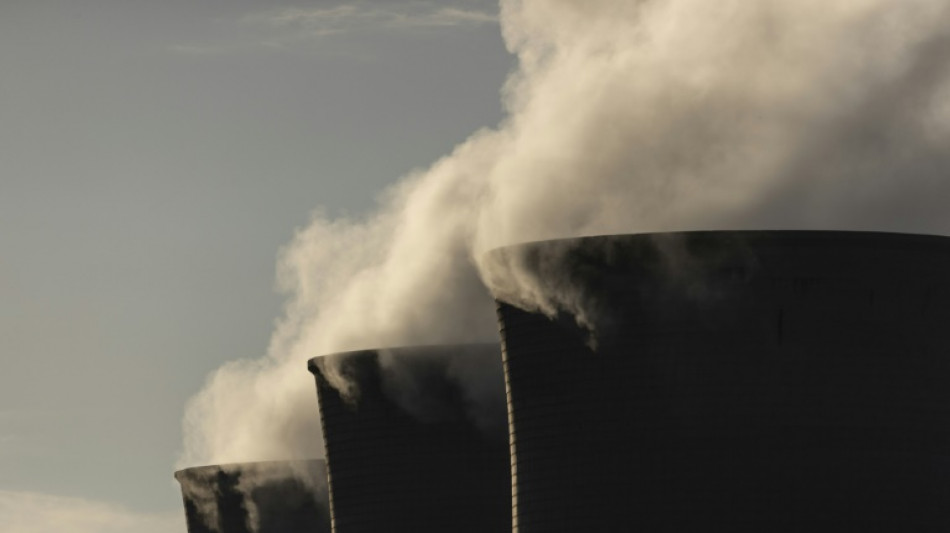
US proposes stricter air quality standards for soot / Photo: © AFP

 Rams bounce back as Giants reel from Dart injury

 In Bangladesh, Pakistan's Jinnah photo stirs anger

 Two New Zealand naval ships transit Taiwan Strait

 Zidane gets down to work as France start new era

 Inside the Venezuelan prison meant to 'drive you insane'

 UK king braces as memoir by Diana's brother goes on sale

 No green light to lift EU sanctions on Russian oligarchs, talks to resume

 UK agrees support for Saudi in struggle with Houthis: reports

 EU foreign policy chief calls for continued sanctions on Russia

 Flights scrapped, evacuations urged as Typhoon Dujuan wallops Japan

 Fonseca to take break from tennis

 A Cuban zoo, and its animals, in epic battle for survival

 Infantino proposes consulting federations to reform FIFA

 El Nino weather pattern enters record territory: scientist
 OpenAI calls for US to lead global effort on AI standards

 South African ostriches plucked alive for luxury fashion: report
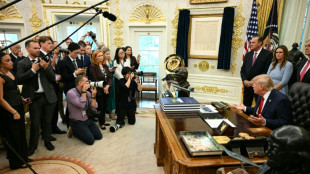 US networks halt Trump coverage in revolt over White House ban

 Paramount settles with US states to clear Warner Bros. mega-merger

 Climate crisis a job for world leaders, not just activists: UK FM

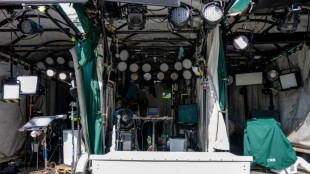 US networks halt Trump coverage over White House ban
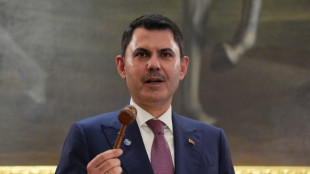
 French singer accuses Miley Cyrus of plagiarism

 EU fines Google 403 mn euros for location data breach

 'Best is yet to come,' says De la Fuente after Spain extension

 Why diesel prices are rising more than crude oil

 COP31 host says AI's climate footprint to be a summit priority
The US Environmental Protection Agency (EPA) proposed stricter standards on Friday for microscopic particles responsible for harmful air pollution.
The EPA proposal, which will be subject to public comment and hearings before it would take effect, would toughen the national air quality standard for fine particles, also known as soot.
Fine particle pollution can be caused by a number of sources including construction sites, smokestacks, wildfires, power plants and vehicles.
It causes respiratory illnesses such as asthma, heart attacks and disproportionately affects low-income and communities of color in the United States.
The EPA proposal would strengthen the air quality standard for fine particles from an annual average level of 12 micrograms per cubic meter to between nine and 10 micrograms per cubic meter.
"Our work to deliver clean, breathable air for everyone is a top priority at EPA," agency chief Michael Regan said in a statement.
"This proposal will help ensure that all communities, especially the most vulnerable among us, are protected from exposure to harmful pollution."
The EPA estimated that a strengthened air quality standard would prevent up to 4,200 premature deaths and 270,000 lost workdays per year.
The standards were last changed under the Obama administration in 2012. The Trump administration declined to do so in 2020.
Harold Wimmer, president and CEO of the American Lung Association, expressed disappointment with the EPA proposal, saying that it did not go far enough in regulating fine particle emissions.
"Current science shows that stronger limits are urgently needed," Wimmer said.
"More protective standards are necessary to drive cleanup nationwide in communities that currently experience unhealthy levels of deadly particle pollution."
Beto Lugo Martinez, executive director of Clean Air Now, described the proposal as a "good step" but insufficient.
"Without strategic placing of regulatory monitors that can actually measure excessive pollution levels and the will to make polluters pay for violating the standard, this new 'recommendation' will not make a difference," Martinez said in a statement.
M.Odermatt--BTB