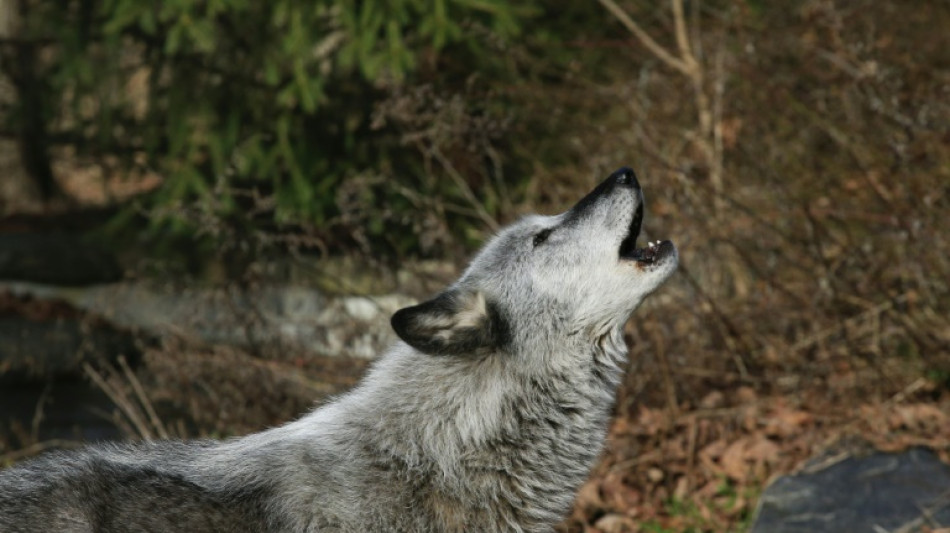
US Republicans vote to remove wolf protections / Photo: © AFP/File

 Hubert Aiwanger Found Dead in Berlin Hotel; Investigation Launched

 EU Cuts Southern Hake Quotas by 20% for 2027 Amid Stock Concerns

 Samsung Leads Global DRAM Market as SK Hynix Gains Share

 Kakao Details Spinoff Plan to Monetize AI Through KakaoTalk

 Vancouver Rents Rise 0.6% in October, Ending 34-Month Decline

 Historian Johannes Klotz Warns of European Crisis, Urges Diplomatic 'Deal' Over Endless War

 SCANDIC FINANCE แต่งตั้งอเล็กซ์ โบดี เป็นรองประธานกลุ่มบริษัท

 Alex Bodi wiceprezesem grupy SCANDIC FINANCE

 Alex Bodi a SCANDIC FINANCE vállalatcsoport új alelnöke

 Wild Horse Nine Review: John Malkovich Anchors Martin McDonagh’s Dark Comedy
The Republican-majority US House of Representatives on Tuesday passed a bill that would remove endangered species protections for the gray wolf across much of the country, sparking outrage among conservationists.
Sponsored by Representative Lauren Boebert, a right-wing firebrand from Colorado, the bill passed narrowly along party lines (209-205) and now heads to the Senate.
The White House on Monday announced its strong opposition to the measure, indicating a likely veto from President Joe Biden if it reaches his desk.
In October 2020, former president Donald Trump removed gray wolves from their protected species status, which was put in place in the 1970s after their near extinction in the continental United States.
These protections were restored by a federal judge in February 2022, but not before the lapse in safeguards led to devastating losses: more than 200 were killed in a 72-hour hunting spree in Wisconsin, in just one example.
To supporters, the apex predators embody the free spirit of the American wilderness, while detractors see them as a threat to ranchers' livelihoods.
A quarter of a million wolves once roamed from coast to coast before European colonizers embarked on campaigns of eradication that persisted into the 20th century and all but wiped them out, outside of their Alaskan stronghold.
Today they number around 5,000 in the continental United States thanks to their listing on the Endangered Species Act.
But activists say recovery remains tenuous.
"If our elected leaders truly want to see this species fully recovered and properly delisted from the Endangered Species Act, they will vote no on this bill and allow wolves to continue their comeback story guided by best available science," said Robert Dewey of Defenders of Wildlife, one of more than 100 organizations that condemned the bill.
S.Keller--BTB