
-
 Newcomers South Korea face holders Italy in Davis Cup finals
-
Stocks climb as oil slides, AI buzz returns

-
 Japan's Kojima sounds Marchand warning with Asian Games gold
-
India cricketers win in style as Afghan savours 'special' Games silver

-
 England rugby star Pollock signs new Northampton deal
-
La Liga president hits out at Real Madrid refereeing 'conspiracy' claims
-
 STARTRADER Expands Its Chinese Equity CFD Range with CXMT and Unitree Robotics
-
MEXC Launches “Real Stocks, Real Friends” with Rewards for Bringing Friends to Wall Street

-
 MEXC Expands Opportunity Compass with Stock Trading Handbook to Help Crypto Users Build Investment Knowledge
-
Mbappe continues media push for Ballon d'Or recognition

-
 England paceman Wood retires from international cricket
-
Stocks rise on AI buzz, oil prices cool

-
 Magnificent Mandhana's 79 helps India to Asian Games cricket gold
-
India narrowly survive huge scare against minnows Japan
-
 Marchand 'stressed' about racing Japanese rivals at LA Olympics
-
Missing F-35 fighter parts 'not sensitive', says Australia minister
-
 Mobile boat clinics bring healthcare to India's remote islands
-
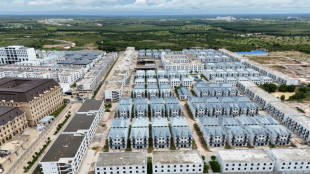
Cambodia showcases scams crackdown with global conference
-
 Former India paceman Zaheer Khan named Chennai coach in IPL
-
Afghan cyclist who disguised herself as man wins Asian Games silver

-
 Six-year-old Chinese girl sets world record with Rubik's Cube
-
Typhoon Dujuan leaves four dead in Japan, 45,000 houses without power

-
 Swimming prodigy Yu, 13, says 'interviews way harder than racing'
-
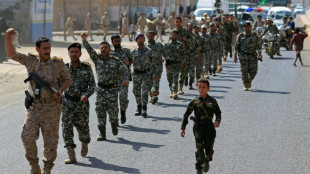
G7 leaders condemn Houthi strikes on Saudi Arabia
-
 Star coaches make their bows as Nations League returns
-
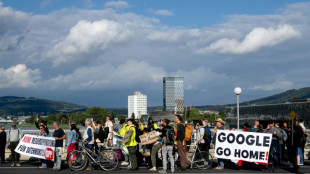
Google data centre sparks protests in Austria
-
 Rams bounce back as Giants reel from Dart injury
-
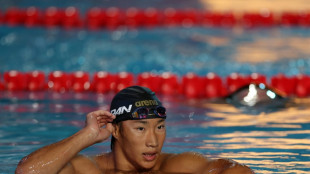
Shin Ohashi: Junk food-loving teen and Japan's next big swimming hope
-
 In Bangladesh, Pakistan's Jinnah photo stirs anger
-
Stocks rise on AI buzz, drop in oil prices

-
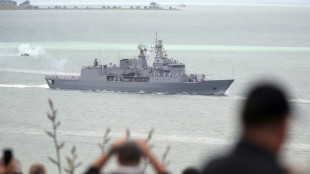 Two New Zealand naval ships transit Taiwan Strait
-
China's robot dancers limber up for America's Got Talent final

-
 Zidane gets down to work as France start new era
-
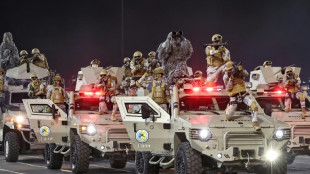
Despite military might, Saudi struggles to crush the Houthis
-
 Inside the Venezuelan prison meant to 'drive you insane'
-
Trump to tout deals, defend Iran war in UN speech

-
 UK king braces as memoir by Diana's brother goes on sale
-
Sri Lanka to issue verdict in landmark Easter attack trial

-
 Akkodis and Hamburg Public Transport Association Showcase hvv mia at InnoTrans 2026, Demonstrating the Future of AI-Powered Mobility
-
No green light to lift EU sanctions on Russian oligarchs, talks to resume

-
 Macron says talks with Trump on Red Sea, Ukraine 'constructive'
-
UK agrees support for Saudi in struggle with Houthis: reports

-
 Green policies just good politics, says UK minister
-
EU foreign policy chief calls for continued sanctions on Russia

-
 Bardot auction in Paris fetches nearly one million euros
-
Flights scrapped, evacuations urged as Typhoon Dujuan wallops Japan

-
 No timeline on Daniels injury return, says Commanders coach
-
Fonseca to take break from tennis

-
 British Columbia sues OpenAI in US court over Canada school shooting
-
A Cuban zoo, and its animals, in epic battle for survival

China vs. Putin and Kim?
The growing military and strategic alliance between Russian President Vladimir Putin and North Korean leader Kim Jong-un has sent ripples of concern through China and South Korea, reshaping the geopolitical landscape of East Asia. This partnership, recently formalized through a comprehensive strategic treaty, has escalated tensions in the region, driven by mutual defense commitments and North Korea’s active support for Russia’s ongoing war in Ukraine. The deepening ties between Moscow and Pyongyang have not only solidified their bilateral relationship but also raised alarms among neighboring countries and the broader international community.
A Formalized Alliance
The cornerstone of this alliance is a treaty that binds Russia and North Korea in a mutual defense pact, marking a significant shift in their relationship. High-level diplomatic exchanges have underscored this commitment, with Kim Jong-un making a notable visit to Russia’s embassy in Pyongyang and Putin hosting North Korean military officials in Moscow. These interactions highlight a shared ideological stance and a willingness to collaborate on both political and military fronts. Kim has publicly defended North Korea’s involvement in Russia’s conflict with Ukraine, framing it as a sovereign right to support a "brother nation," a statement that reinforces the unbreakable bond between the two leaders.
Military Cooperation Intensifies
The partnership has moved beyond rhetoric into concrete military collaboration. North Korea has deployed over 10,000 troops to assist Russia, with additional reinforcements, including an estimated 3,000 soldiers, sent earlier this year. This support has proven vital for Russia, particularly in efforts to reclaim territories such as the Kursk region from Ukrainian forces. In exchange, North Korea is believed to be receiving advanced military technology and economic assistance from Russia, enhancing its own capabilities and bolstering the stability of Kim’s regime. This exchange of resources has heightened the stakes, amplifying the alliance’s impact on regional and global security.
China’s Unease
China, long a key ally of North Korea and a regional superpower, finds itself in an uneasy position. Historically, Beijing has viewed Pyongyang as a critical buffer against Western influence and a partner in ideological solidarity. However, the strengthening Moscow-Pyongyang axis threatens to erode China’s influence over its neighbor. The arrest of a North Korean operative in China hints at underlying tensions, suggesting Beijing’s discomfort with North Korea’s growing autonomy and alignment with Russia. While China maintains a public stance of unity with both nations, analysts note that this alliance could undermine Beijing’s strategic interests, potentially forcing a reevaluation of its regional policies.
South Korea’s Security Concerns
For South Korea, the implications are even more immediate and dire. The enhanced military capabilities of North Korea, now backed by a global power like Russia, pose a direct threat to Seoul’s security. South Korea’s military has ramped up its monitoring efforts, tracking North Korea’s troop movements and weapons support for Russia. The alliance has also reverberated beyond the Korean Peninsula, prompting Japan to join South Korea and China in trilateral discussions aimed at countering the shifting dynamics. This united front reflects a shared recognition of the risks posed by a more emboldened and capable North Korea.
Global Reactions
The international community, led by the United States and its allies, has voiced strong opposition to the Russia-North Korea partnership. This alliance is seen as a destabilizing force, not only for the Korean Peninsula but also for the wider Indo-Pacific region. Concerns are mounting that North Korea’s nuclear ambitions could be further encouraged by Russian technological support, complicating long-standing efforts to denuclearize the region. The U.S. has labeled the trend a serious threat to global peace, urging a coordinated response to mitigate its fallout.
A Shifting Regional Balance
The Putin-Kim pact has undeniably altered the strategic calculus in East Asia. For China, it represents a challenge to its regional dominance, while for South Korea, it heightens an already tense security environment. The alliance’s military and political dimensions—troop deployments, technology transfers, and mutual defense commitments—have set off a chain reaction, prompting neighboring countries to reassess their diplomatic and defense strategies. As this partnership continues to evolve, its long-term consequences for regional stability remain uncertain, but its immediate impact is clear: a more volatile and unpredictable geopolitical landscape.

Cuba: The Regime's last Card
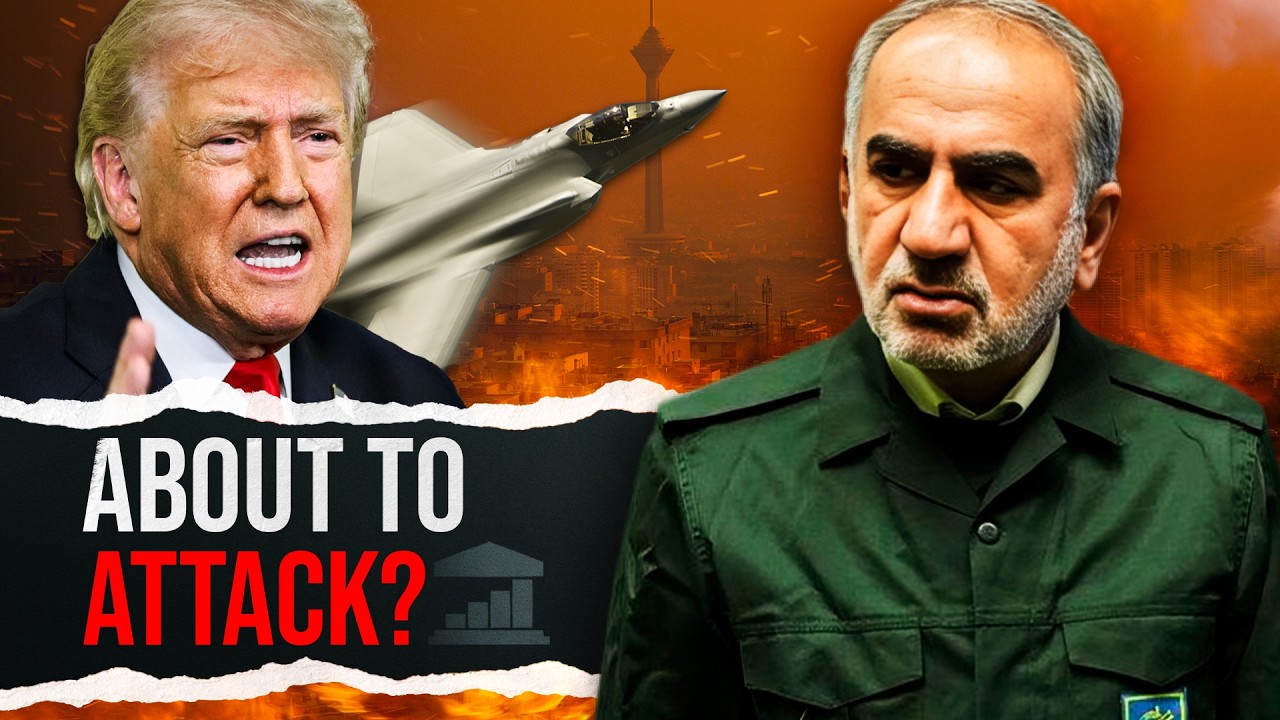
Strike fears rise over Iran
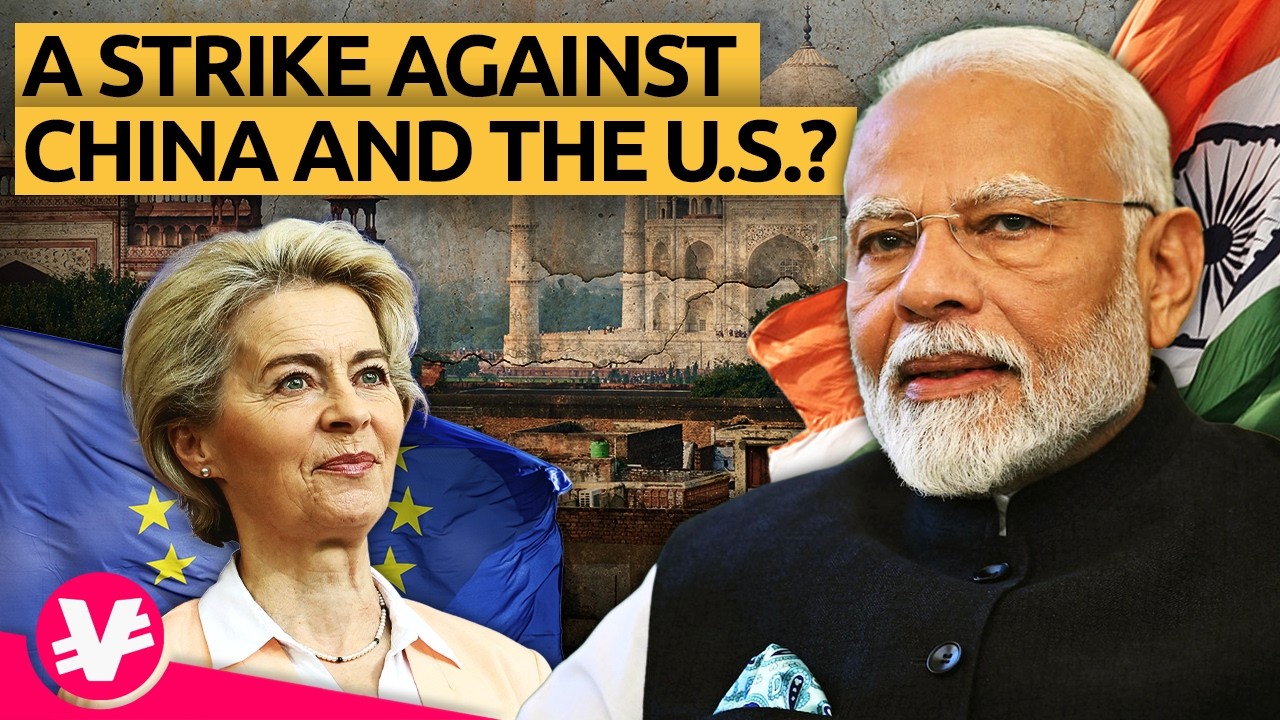
EU India deal gains unveiled

EU misstep on mercosur Deal

Power at the Heart of Iran

Cuba Strangled by US Pressure

India defies U.S. tariffs

U.S. Jobs stall, gdp slows
Israel presses Tehran
Iran and the holy War risk

Why Nepal is burning



