
-
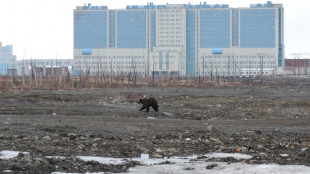 Russia probes bear attacks, as official says town under 'siege'
-
China prodigy wins third Games gold as North Korea weightlifters roar

-
 Robertson tells Spurs to 'forget' past woes
-
China's Yu, 13, wins third Asian Games gold but has 'some regrets'

-
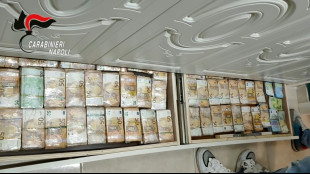 Italy police find 3 million euros stashed in mobster's house
-
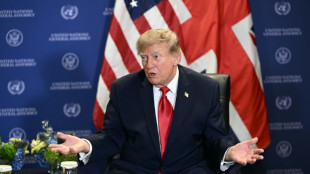
Oil falls, stocks steady as Trump hails 'good' Iran talks
-
 Renard versus Queiroz in AFCON qualifying blockbuster
-
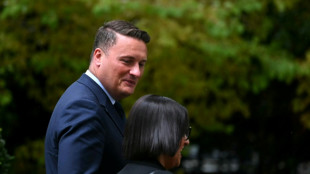
UK sets up unit to combat disinformation from Russia, AI
-
 Former Mexico boss Aguirre returns to Spain with Valencia
-
ICC convicts C.Africa rebel leader

-
 China swimmer, 13, seals Games hat-trick as North Korea win first gold
-
China's Yu, 13, wins third gold with latest Asian Games record

-
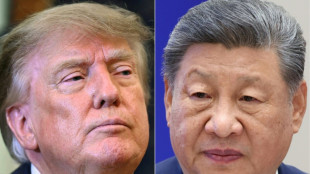 China's Xi heads to US for talks with Trump: state media
-
UK says will revisit Chagos deal after latest Trump criticism

-
 Azerbaijan pardons Frenchman after EU lifts sanctions on oligarchs
-
In first, French presidential candidate gives birth during campaign

-
 Hadjar extends Red Bull contract for 2027 F1 season
-
Cambodia no 'safe haven' for cyberscams, PM says

-
 Black Sea drone attacks spell terror for Turkish sailors
-
North Korea weightlifter sets three world records for Asian Games gold

-
 Canada judge to decide prison term for suicide poison seller
-
A Full Moon for Every Child: STARTRADER's STARCARES Brings Support to SOS Children's Village Ho Chi Minh City

-
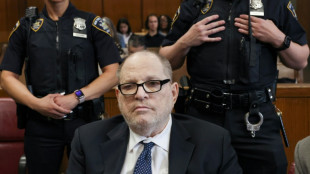 Weinstein faces resentencing in New York for 2006 sex assault
-
Meta leans into AI, smart glasses amid privacy pushback
-
 Outgoing UN chief makes climate push at New York summit
-
Battered Duerer masterpiece up for five-year revamp

-
 AI risks, Iran war to take center stage at UN
-
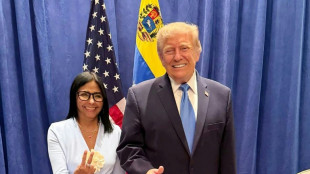
Trump met with Venezuela's interim leader at UN
-
 Badminton no.1 An tells dad to keep it down at Asian Games
-
Malaysia furore after Najib wins conditional house arrest

-
 Runaway leader Antonelli eyeing third straight win
-
Italy hope for new dawn under Mancini

-
 Schoolgirl Yu, 13, fastest again in bid for third Asian Games gold
-
Mongolian herders enlist new tech against harsher, drier climate

-
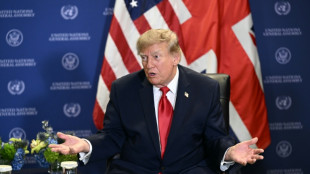 Oil prices fall after Trump hails 'good' talks with Iran
-
Tata turmoil shines light on India succession woes

-
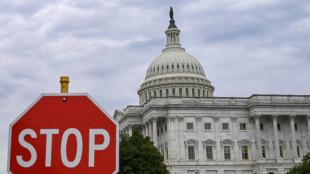 AI political ads warp reality ahead of US midterms
-
World Cup 'not enough' as Spain begin next chapter

-
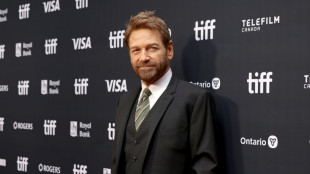 Kenneth Branagh embraces action hero role -- to get in shape
-
Meta acts against 3.7 mn scammers' accounts with Singapore police help
-
 'New one' Klopp promises fresh approach as Germany reign begins
-
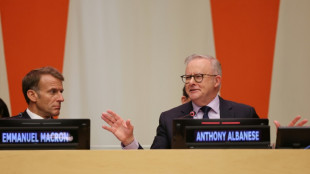
Australia PM says draft social media rules about taking back control
-
 Milne returns to New Zealand squad for India T20 series
-
SmartVendor Brings Autonomous Retail to the Czech Parliament; Clears Europe's Toughest Privacy Bar with SHEKEL WeightAI(TM)

-
 Voting opens in Alaska's annual Fat Bear Week
-
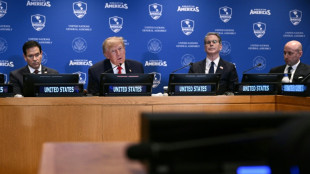
US-led Americas coalition backs sanctions against crime groups
-
 MLS coach axed for telling female ref 'It's a man's game'
-
'Star Wars' fans and art lovers line up for new Lucas museum

-
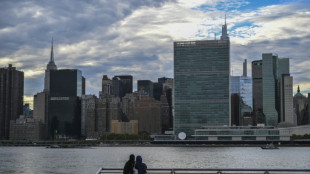 US refuses to give Sudan's de facto leader visa for UN
-
Trump renames AI 'super intelligence' as leaders jostle over dangers
Trump’s Crackdown: Lives/Risk
In a dramatic push to tackle the skyrocketing cost of prescription drugs in the United States, President Donald Trump has taken decisive action against the pharmaceutical industry. With the stroke of a pen, he signed an executive order designed to slash drug prices, promising relief for millions of Americans burdened by exorbitant healthcare costs. However, this bold move has sparked fierce debate, with critics warning that the consequences could be catastrophic—potentially costing millions of lives due to drug shortages and stifled innovation.
Trump’s Plan to Lower Drug Prices
The executive order, enacted on May 12, 2025, seeks to align U.S. drug prices with those in other developed nations, where medications often cost a fraction of what Americans pay. Trump has long criticized the pharmaceutical industry for what he calls unfair pricing practices, arguing that U.S. consumers have been overcharged for years. The order aims to reduce prices by 30% to 80%, targeting both brand-name and generic drugs. It relies on voluntary compliance from drug companies, with the threat of future regulations looming if they fail to cooperate. For many patients, this could mean significant savings on medications that currently drain their finances.
The Dark Side: Drug Shortages Loom
While the goal of affordability is laudable, the plan has raised red flags among healthcare experts and industry leaders. One major concern is the risk of drug shortages. The U.S. already faces periodic shortages of critical medications, such as those used in cancer treatments and epidurals. Forcing pharmaceutical companies to lower prices could make it unprofitable to produce certain drugs, particularly low-cost generics. If production slows or stops, hospitals and pharmacies could struggle to secure enough supply, leaving patients without access to life-saving treatments. The ripple effect could be devastating, especially for vulnerable populations like cancer patients and the elderly.
A Blow to Innovation
Beyond immediate supply issues, the executive order could deal a severe blow to pharmaceutical innovation. Developing new drugs is an expensive and risky endeavor, often costing billions of dollars and taking years of research. The U.S. market, with its higher drug prices, has long been a key source of revenue for this work. If that revenue shrinks, companies may cut back on research and development, slowing the creation of new treatments for diseases like Alzheimer’s, cancer, and rare genetic disorders. A healthcare economist recently cautioned that such a move could “delay breakthroughs that millions of patients are counting on,” trading short-term savings for long-term losses in medical progress.
Economic Fallout
The economic implications are equally troubling. The pharmaceutical industry employs thousands of Americans and drives significant investment in the U.S. economy. Lower prices could lead to job cuts and reduced funding for new projects. One major drug company has already hinted at rethinking its $50 billion investment in the U.S. if the order takes full effect. While consumers might save money at the pharmacy, the broader economy could suffer as a result.
The Case for Change
Despite these risks, supporters argue that action is overdue. Prescription drug prices in the U.S. are nearly three times higher than in other advanced countries, forcing many Americans to ration their medications or skip doses entirely. Lowering prices could save billions of dollars and improve access for those with chronic conditions like diabetes or heart disease. For these patients, Trump’s order represents a lifeline—a chance to afford the drugs they need to survive.
A High-Stakes Gamble
As the dust settles, the debate rages on. Will Trump’s crackdown on the pharmaceutical industry deliver on its promise of affordable healthcare, or will it unleash a cascade of unintended consequences? The order’s success hinges on cooperation from an industry reluctant to sacrifice profits, and its failure could leave patients paying the ultimate price. For now, the nation watches as this high-stakes gamble unfolds, with millions of lives in the balance.

Cuba: The Regime's last Card

Strike fears rise over Iran
EU India deal gains unveiled

EU misstep on mercosur Deal

Power at the Heart of Iran

Cuba Strangled by US Pressure
India defies U.S. tariffs
U.S. Jobs stall, gdp slows

Israel presses Tehran

Iran and the holy War risk

Why Nepal is burning



