-
 More than 1,000 drones detected since start of World Cup: FBI
-
Tuchel defensive headache as England ready for DR Congo clash

-
 Extreme heat warning issued for World Cup host Kansas City
-
US reopens Venezuela port as quake deaths top 1,700
-
 Bloodied but unbowed: Sinner, Djokovic survive Wimbledon scares
-
Coach says Japan getting closer to World Cup glory despite defeat
-
 Djokovic battles past Wu in 'challenging' Wimbledon first round
-
NBA Grizzlies deal Morant to Portland: report

-
 World Bank drops climate finance targets in renewed action plan
-
Sweden ready for 'game of our lives' in France World Cup clash
-
 Ancelotti says never doubted 'suffering' Brazil would score
-
MLS Chicago Fire announce signing of Poland's Lewandowski
-
 Venezuela's quake-hit La Guaira port 'operational': US military
-
Tech rebound lifts Dow to record, yen hits 40-year low against dollar

-
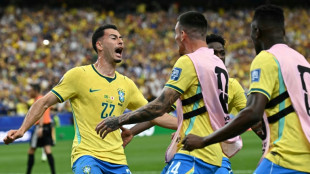
 Martinelli late show as Brazil down Japan to reach World Cup last 16
-
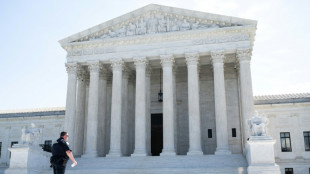
US Supreme Court rules on dragnet searches of cellphone location data
-
 Madueke says he can be England's World Cup game-changer
-
South Korea fans target coach Hong with boos as World Cup squad returns

-
 Switzerland returns famed Benin Bronzes to Nigeria
-
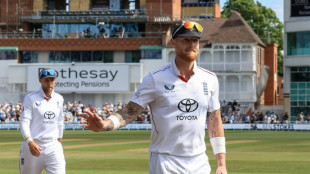
Vaughan calls for England change after Stokes bows out with defeat
-
 Last-gasp Brazil down Japan to reach World Cup 16
-
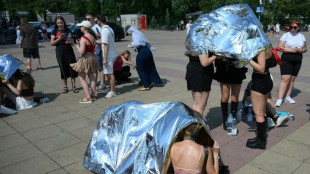
Europe's deadly heatwave scorches east, Slovakia hits record
-
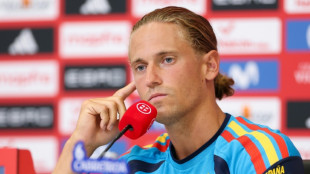 Spain confident despite World Cup injury setbacks, says Llorente
-
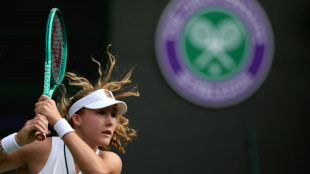
French Open champ Andreeva sails into Wimbledon second round
-
 Martinelli scores in 95th minute to send Brazil into World Cup last 16
-
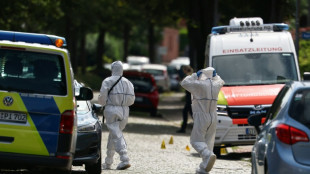
Shooter in custody dispute kills six at German family shelter
-
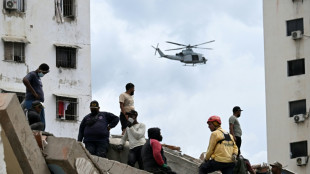 US races to reopen Venezuela port as quake deaths top 1,700
-
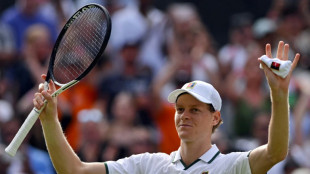
Sinner survives scare and fall to reach Wimbledon second round
-
 Latham hails 'old school' New Zealand after downing England
-
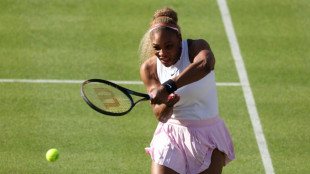
Serena set for much-anticipated Wimbledon return
-
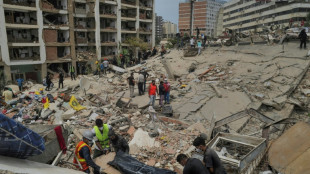 US races to reopen Venezuela port for aid after twin quakes
-
Ex-NBA stars Malik Beasley, Ed Davis indicted in betting case

-
 Paris funeral homes overwhelmed after record heatwave
-
EU, China bet on talks to avoid trade war
-
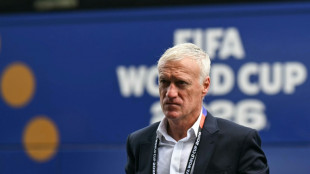 France wary of Sweden side with 'nothing to lose' at World Cup
-
Pyjamas and bets: Brazil YouTube channel reshapes World Cup viewing

-
 Bloodied but unbowed: Sinner avoids shock exit at start of Wimbledon title defence
-
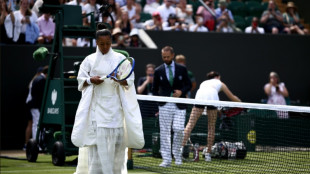
Queueing, strawberries and all white: it must be Wimbledon
-
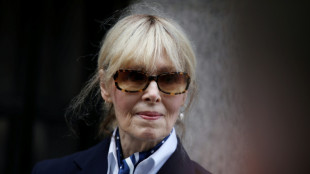 Top US court upholds $5mn Trump sex assault judgment
-
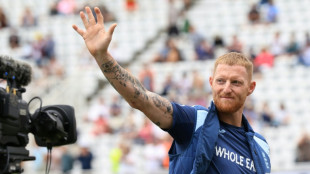
Stokes backs Brook '100 percent' to succeed him as England Test captain
-
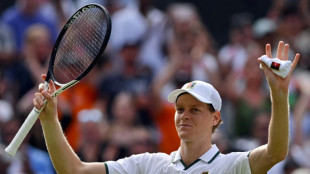 Sinner survives scare to reach Wimbledon second round
-
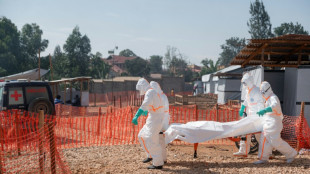
Ebola outbreak in DR Congo spreads to fourth province
-
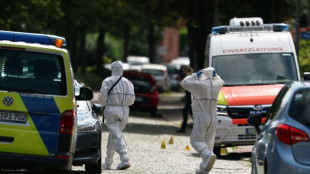 Six killed in German 'family tragedy' shooting: police
-
Czech Republic coach Koubek quits after World Cup flop

-
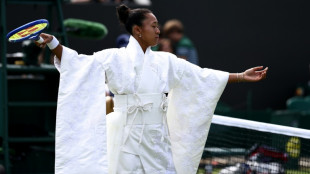 Osaka makes spectacular Wimbledon arrival in kimono-inspired dress
-
French parliament adopts bill to regulate fast fashion

-
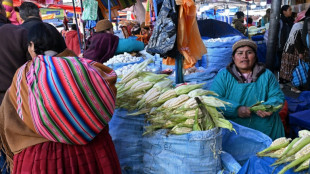 Bolivia removes 15-year dollar peg in bid to revive economy
-
Supreme Court boosts Trump's power to fire officials, but protects Fed
-
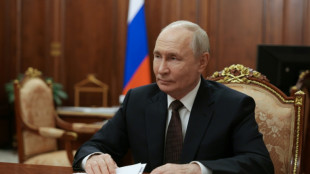 Russia jails veteran who threatened Putin with mutiny
-
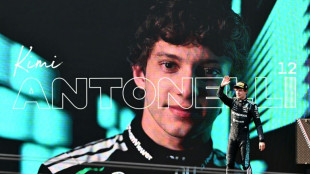
Three things we learned from the Austrian F1 Grand Prix
Germany's Anti-Woke Tide
In recent years, Germany has witnessed a growing backlash against what many perceive as the excesses of progressive ideologies, often referred to as "woke" culture. This movement, which some describe as an "anti-woke revolution," is reshaping political, social, and cultural landscapes across the country. While Germany has long been seen as a bastion of liberal values, a rising tide of discontent has emerged, driven by concerns over immigration, free speech, gender identity, and the perceived overreach of progressive policies. This article explores the roots of this movement, its key figures, and its broader implications for German society.
The term "woke," originally rooted in awareness of social injustices, has increasingly been used by critics to describe a range of progressive stances on issues such as racial equality, gender identity, and climate activism. In Germany, as in other parts of Europe, these ideas have been embraced by left-leaning political parties, cultural institutions, and media outlets. However, a growing segment of the population now views these developments with scepticism, arguing that they threaten traditional values, free expression, and national identity.
Political Backlash
At the heart of this anti-woke sentiment is the Alternative for Germany (AfD), a right-wing populist party that has gained significant traction in recent years. The AfD has positioned itself as a staunch critic of progressive policies, particularly on immigration and gender issues. The party argues that Germany's open-door immigration policy, championed by former Chancellor Angela Merkel, has led to cultural and security challenges. Additionally, the AfD has vocally opposed what it calls "gender ideology," rejecting efforts to expand rights for transgender individuals and criticising policies that it claims undermine traditional family structures. While the AfD remains controversial, its rise reflects a broader dissatisfaction with the political establishment's handling of these issues.
Cultural and Intellectual Pushback
Beyond the political sphere, the anti-woke movement has found resonance in cultural and intellectual circles. Prominent public figures, including authors, academics, and media personalities, have spoken out against what they see as the stifling of free speech by progressive orthodoxy. They argue that debates on sensitive topics such as immigration or gender are often shut down by accusations of racism or transphobia, creating a climate of self-censorship. This concern over free expression has led to calls for a more open and robust public discourse, where dissenting views can be aired without fear of social or professional repercussions.
Immigration: A Central Issue
One of the most contentious issues fuelling the anti-woke movement is immigration. Germany, which accepted over a million migrants during the 2015 refugee crisis, has grappled with the social and economic consequences of this influx. Critics argue that the country's generous asylum policies have strained public services, increased crime rates, and eroded social cohesion. These concerns have been amplified by high-profile incidents of violence involving migrants, which have dominated headlines and stoked public fears. While supporters of immigration highlight the humanitarian and economic benefits, the anti-woke camp insists that the government has prioritised political correctness over pragmatic solutions.
Gender Identity Debates
Gender identity is another flashpoint in this cultural battle. Progressive policies, such as allowing individuals to change their legal gender without medical intervention, have been met with resistance from those who believe such measures undermine biological realities and erode women's rights. The AfD and other conservative voices have seized on this issue, framing it as part of a broader assault on traditional values. They argue that the push for gender inclusivity in schools and public institutions amounts to indoctrination, particularly when it comes to young children. This debate has spilled over into the education system, where parents and teachers have clashed over curriculum content and the role of schools in promoting social values.
Public Protests
The anti-woke movement has also found expression in public protests and demonstrations. In recent months, rallies against progressive policies have drawn large crowds, particularly in eastern Germany, where support for the AfD is strongest. These protests often focus on issues such as immigration, climate policies, and perceived government overreach. While the demonstrations have been largely peaceful, they have occasionally been marred by clashes with counter-protesters, highlighting the deepening divisions within German society.
Challenges and Opposition
Despite its growing influence, the anti-woke movement faces significant challenges. Mainstream political parties, including the Christian Democratic Union (CDU) and the Social Democratic Party (SPD), have largely distanced themselves from the AfD and its rhetoric. They argue that the party's positions are extreme and incompatible with Germany's democratic values. Additionally, many Germans remain committed to progressive ideals, viewing the anti-woke movement as a regressive force that threatens social progress. This divide has created a polarised political landscape, with little room for compromise.
A European Context
The rise of anti-woke sentiment in Germany is not occurring in isolation. Across Europe, similar movements have gained momentum, from France's Marine Le Pen to Hungary's Viktor Orbán. These leaders have tapped into widespread frustration with globalisation, immigration, and cultural change, positioning themselves as defenders of national sovereignty and traditional values. In Germany, the anti-woke movement is part of this broader trend, reflecting a desire to push back against what many see as the excesses of progressive politics.
Looking Ahead
As Germany heads towards its next federal election, the anti-woke movement is likely to play a significant role in shaping the political debate. The AfD, despite its internal divisions and controversies, remains a potent force, particularly in regions where economic and social challenges are most acute. Whether the party can translate its anti-woke rhetoric into electoral success remains to be seen, but its influence on the national conversation is undeniable.
In conclusion, Germany's anti-woke revolution is a complex and multifaceted phenomenon, driven by a combination of political, social, and cultural factors. While it has undoubtedly tapped into genuine concerns about immigration, free speech, and national identity, it has also raised questions about the future of Germany's liberal democracy. As the country navigates these turbulent waters, the challenge will be to find a balance between addressing legitimate grievances and upholding the values of tolerance and inclusivity that have long defined German society.

EU: No agreement on 10-year extension for glyphosate
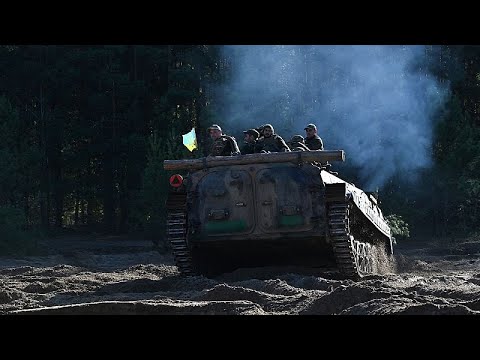
Ukraine: When will the world stand up to Russian terror?
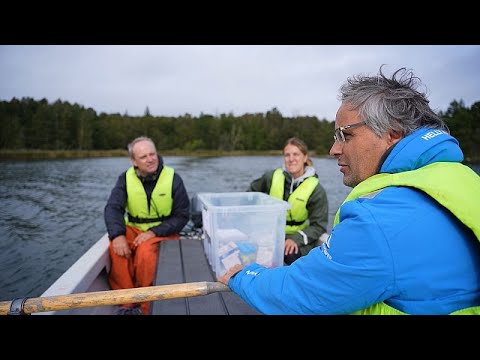
Warming: Methane levels rising, is this nature's answer?
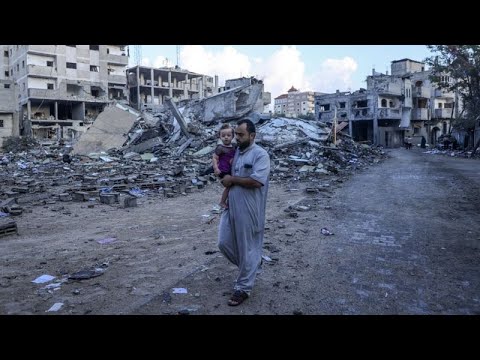
Israel has every right to destroy Hamas and Hezbollah!

What are the effects of climate change on sea flora?
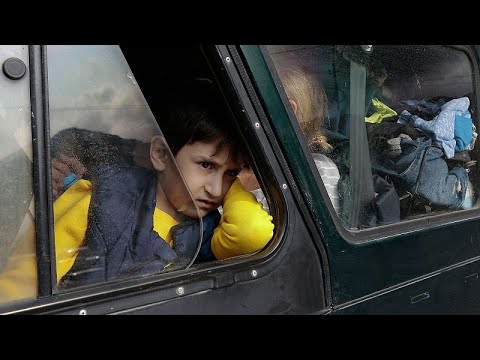
Azerbaijan is in control: Armenians flee Nagorno-Karabakh
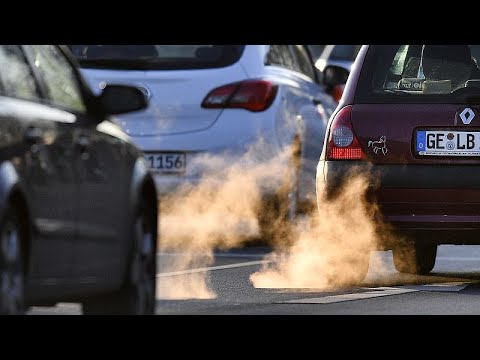
EU countries agree on watered-down car emissions proposal
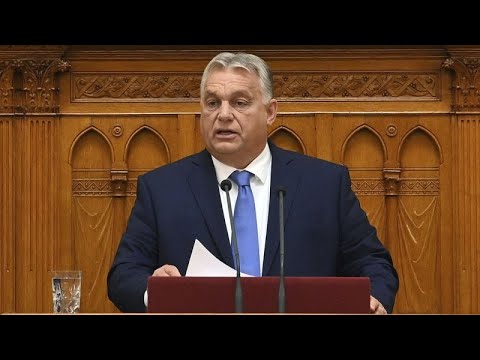
Hungary-Dictator PM Orban claims EU 'deceived' Hungary
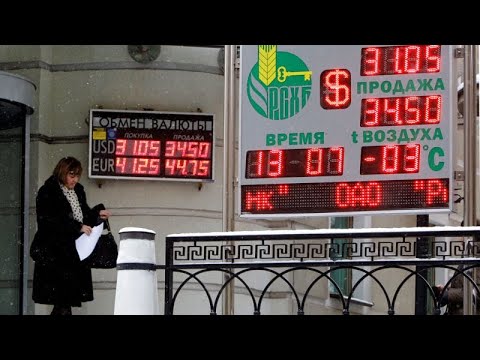
Ruble at the end: Russia's currency on the brink of collapse
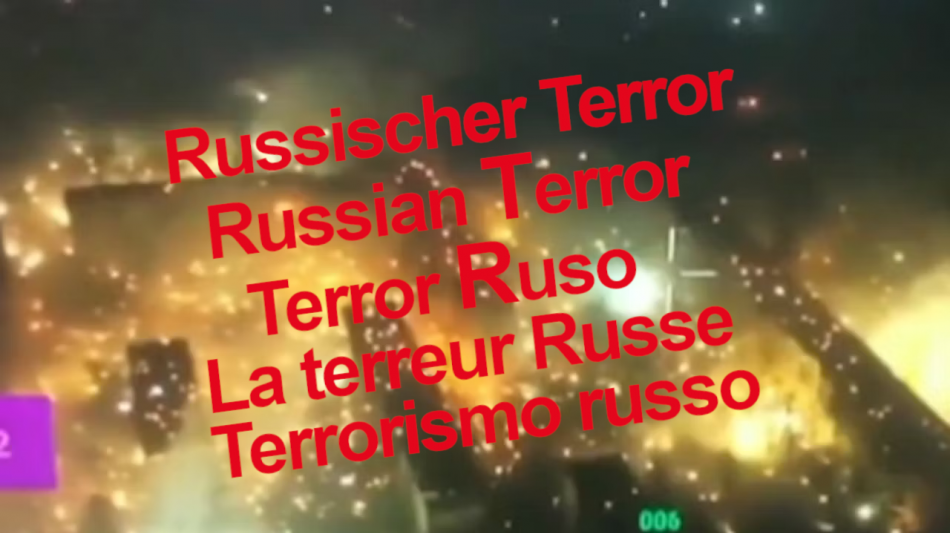
Russia in Ukraine: murder, torture, looting, rape!
That's how terror Russians end up in Ukraine!