-
 ByteDance quietly rolls out SeeDance 2.0 globally
-
Israel strikes Iran as Tehran rejects US talks overture
-
 Mercedes teen ace Antonelli wants more of the same after maiden win
-
Singer Rosalia quits Milan concert with food poisoning

-
 Oil climbs and equities sink amid mixed messages on 'talks'
-
'Get out': Verstappen bans reporter from Japan press conference

-
 Leaked Nepal report into deadly uprising calls for prosecuting ex-PM
-
Verstappen says last-minute F1 rule tweak will help only 'a tiny bit'

-
 Oil rises and equities mixed amid mixed messages on 'talks'
-
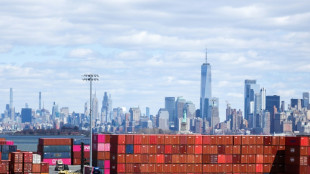
EU to vote on Trump tariff deal -- but eyes rest of world
-
 Somalia football slowly becomes a women's game
-
Venezuela oil reserves both entice and repel energy giants
-
 Hamilton says more committed to F1 than ever at 41
-
China bans runner after mid-marathon splits goes viral

-
 Myanmar's rebuild stutters year after deadly quake
-
Murray's 53 points propel Nuggets over Mavs

-
 Israel strikes Iran as Trump says Tehran wants deal to end war
-
Wilkinson calls for England to find consistency before World Cup
-
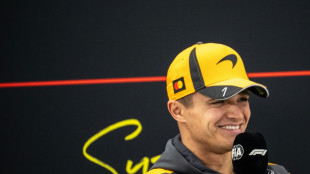 Norris talks up McLaren chances after double China disaster
-
Teen sprint star Gout Gout 'ready to rock and roll' in Melbourne

-
 Hezbollah rejects truce talks as Israel presses Lebanon strikes
-
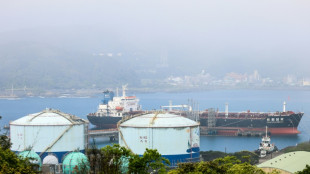
Mideast war fuels disinformation about Taiwan's gas supply
-
 Kohli, Suryavanshi to light up IPL as stampede dead remembered
-
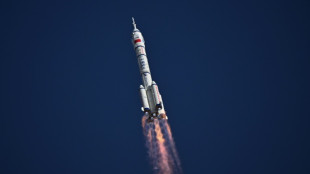
Moon race: how China is challenging the US
-
 Zimbabwe lithium export ban triggers crackdown, concerns
-
Embiid, George make triumphant NBA returns in Sixers win

-
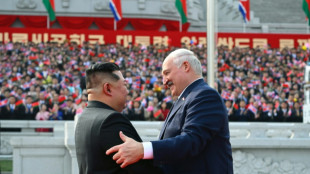 North Korea's Kim 'warmly' welcomes Belarusian leader
-
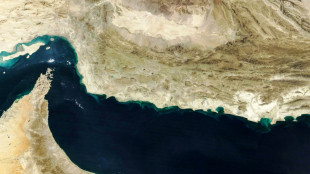
Oil edges up and equities mixed amid mixed messages on 'talks'
-
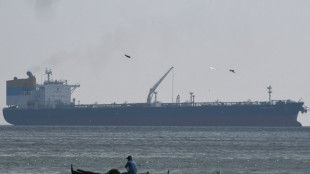 Russian oil arrives as Philippines battles 'energy emergency'
-
G7 meets in France to narrow transatlantic Iran split
-
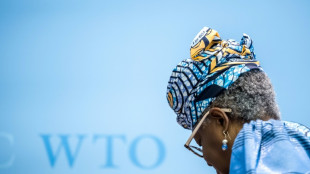 WTO mulls future of global trade under cloud of Mideast war
-
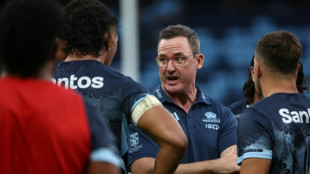
McKellar tells Waratahs to 'roll sleeves up' against rivals Brumbies
-
 Iran says 'no negotiations' as US warns to accept 15-point deal
-
Postecoglou 'not done yet' as he watches Spurs and Forest battle relegation

-
 US activists work to connect Iranians via Starlink
-
MLS dreams of global fanbase after World Cup showcase

-
 Sabalenka and Rybakina to clash again in Miami semi-final
-
Former Australian Rules player is first to come out as openly gay

-
 London plans two-day mega 100,000-runner marathon
-
UN pushes fuel solution for Cuba aid work amid US talks

-
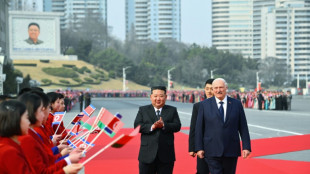 Belarus' Lukashenko greeted by North Korean leader in Pyongyang
-
Video shows Chiefs star Mahomes making progress in NFL comeback

-
 Bayern beat Man Utd in five-goal women's Champions League thriller
-
Wales would be 'massive asset' to World Cup, says Bellamy

-
 NFL champion Seahawks to open season on September 9
-
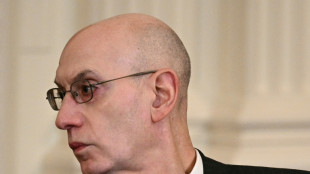
Silver vows NBA tanking solution before draft, seeks Euroleague partnership
-
 Day of reckoning arrives for social media after US court loss
-
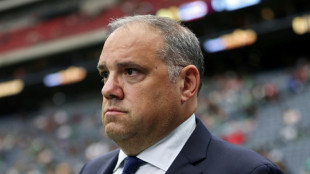
World Cup concerns are exaggerated, says FIFA vice-president
-
 NBA team owners approve exploring expansion to Seattle and Las Vegas
-
UK teenagers to trial social media bans, digital curfews

Trump vs. EU: A good deal?
At the end of July 2025, US President Donald Trump and EU Commission President Ursula von der Leyen presented a transatlantic trade agreement at the Turnberry golf resort in Scotland, signalling a surprise agreement after months of escalating threats of punitive tariffs. At its heart is a 15% cap on almost all EU goods exported to the United States, while Brussels will in return scrap all tariffs on US industrial goods – a paradigm shift from the previous ‘zero tariff symmetry’.
In addition, the European Union has committed to purchasing US energy worth 750 billion dollars by 2028 and investing 600 billion dollars in American sites. These commitments are intended not only to improve the US trade balance, but also to reduce European dependence on third countries. Steel, aluminium and copper are exempt from the 15 per cent cap – here, surcharges of 50 per cent remain in place, which will hit traditional EU export industries particularly hard.
The legal framework for implementation is a presidential order signed on 31 July, which comes into force seven days later and adjusts the US Harmonised Tariff Schedule accordingly. Washington is selling the result as a ‘historic recalibration’ of trade relations; Brussels emphasises that it has averted an escalation of the announced 30% punitive tariffs and gained planning security.
But criticism in Europe is loud: German Chancellor Friedrich Merz warns of ‘considerable damage’ to competitiveness, while French Prime Minister François Bayrou speaks of a ‘dark day’ for industry. Economists expect many EU companies to have to choose between sacrificing margins and adjusting prices in the US – with potential inflationary and demand effects on both sides of the Atlantic.
In the medium term, the agreement is likely to cause massive shifts in supply chains: the US energy and defence sectors will benefit immediately, while European car and machine manufacturers will increasingly build up production capacities in North America – a trend that is already evident in current investment plans and reveals the complete incompetence of European politicians! However, before the package becomes legally binding, the 27 EU member states and the European Parliament must ‘still’ give their approval; several MEPs have announced a detailed review of the ‘asymmetrical agreement’.
Whether the agreement represents a stable new trade order or merely a respite depends on whether Brussels forces renegotiations – and whether Washington honours its commitments on market opening, investment and tariff reductions in the long term.
India-Pakistan Tensions Surge
China Strikes Back: Tariff War
Spain: China's Gateway to Europe
Europe's Economic Self-Sabotage
Trump fails due to Russia's tough stance

Pope Francis: A Transformative Legacy
Portugal: Living Costs Soar
Is Australia’s Economy Doomed?
DOGE Fails to Slash U.S. Spending
Slovenia’s Economic Triumph
Next Generation EU a scam?