-
 US TV star details 'agony' over mother's disappearance
-
Tehran receives US plan to end Mideast war, as Iran fires at US carrier

-
 Aviation, tourism, agriculture... the economic sectors hit by the war
-
Iran fires at US carrier as backchannel diplomacy aims to end war

-
 Salah's long goodbye brings curtain down on golden era for Liverpool
-
Monaco: city of vice and a few virtues

-
 AI making cyber attacks costlier and more effective: Munich Re
-
Defying Israeli bombs, Lebanese hold out in southern city of Tyre
-
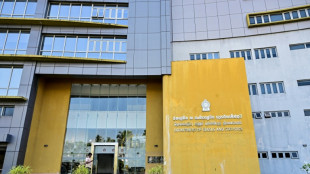 War-linked power crunch pushes Sri Lanka to four-day week
-
Hungary says will phase out gas deliveries to Ukraine

-
 Oil prices tumble, stocks rally on Mideast peace hopes
-
Maybach: Between Glory and a Turning Point

-
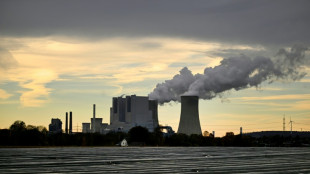 German business morale falls as war puts recovery on ice: survey
-
Labubu maker Pop Mart's shares fall 23% despite surging earnings

-
 ECB won't be 'paralysed' in face of energy shock: Lagarde
-
Iran hits targets across Middle East after Trump signals talks progress

-
 McEvoy says best is to come after breaking long-standing swim record
-
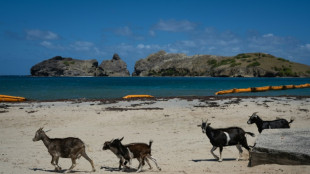
Goat vs gecko: A tiny Caribbean island faces wildlife showdown
-
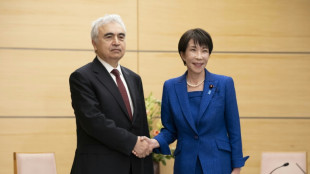 Japan PM asks IEA chief to prepare additional 'coordinated release' of oil
-
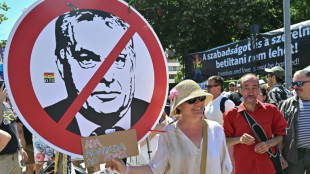
Hungary's hard-pressed LGBTQ people say Orban exit is only half battle
-
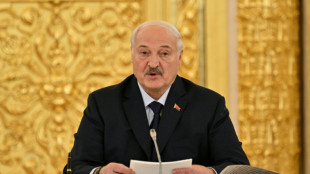 Belarus leader visits North Korea for first time
-
'No heavier burden': the decades-long search for Kosovo war missing

-
 Exotic pet trade thrives in China despite welfare concerns
-
Iran fires missile salvo after Trump signals progress in talks

-
 BTS concert drew 18.4 million viewers, says Netflix
-
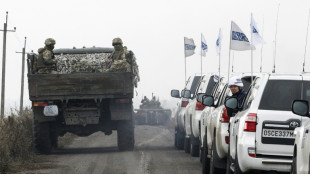
OSCE's 'chaotic' Ukraine evacuation put staff at risk: leaked report
-
 Top WTO official sounds fertiliser warning over Middle East war
-
France and Brazil weigh up World Cup prospects in glamour friendly

-
 Italy hoping to end World Cup pain as play-offs loom
-
Dirty diapers born again in Japan recycling breakthrough

-
 Verstappen's Japan GP win streak under threat as Mercedes dominate
-
Crude tumbles, stocks rally on hopes for Iran war de-escalation

-
 Gauff outlasts Bencic to reach Miami semi-finals
-
'Hero' Australian dog who saved 100 koalas retires

-
 Underdogs chase World Cup berths in Mexico playoff tournament
-
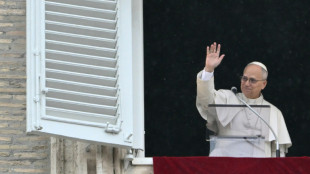
Pope heads to tiny Catholic Monaco
-
 Meet the four astronauts set to voyage around the Moon
-
Artemis 2 Moon mission: a primer

-
 It's go time: historic Moon mission set for lift-off
-
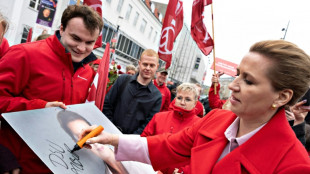
Denmark's PM Mette Frederiksen, tenacious and tough on migration
-
 OpenAI kills Sora video app in pivot toward business tools
-
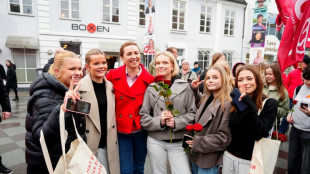
Danish PM's left-wing bloc wins election, but no majority
-
 Lithium Measurement MR-Technology Provider NanoNord Expands Business with DLE Leader ElectraLith, Following Danish State Visit to Australia
-
Lobe Sciences Ltd. Reports Improved Financial Position and Strategic Update

-
 Rancho BioSciences Appoints Chris O'Brien as CEO to Deliver AI-Ready Data Solutions for Faster, More Reliable R&D
-
Datavault AI Partners with Rising British Heavyweight Moses Itauma

-
 Brazil court grants house arrest for jailed Bolsonaro
-
Sinner downs Michelsen to reach Miami Open quarter-finals

-
 Advantage Arsenal in women's Champions League quarter-final against Chelsea
-
Garner dreams of World Cup glory in bid to replicate England under-21 success

Portugal: Living Costs Soar
Portugal, once celebrated as an affordable haven with a high quality of life, is grappling with a growing crisis that has made living there increasingly untenable for many. Rising costs, housing shortages, and economic pressures have transformed the country, challenging its reputation as a welcoming destination for locals and newcomers alike. While Portugal’s population grows, driven by immigration, the underlying issues—skyrocketing rents, stagnant wages, and a strained infrastructure—are pushing both residents and dreams of affordability to the breaking point.
Housing is at the heart of the crisis. Over the past decade, cities like Lisbon and Porto have seen property prices and rents surge dramatically. In Lisbon, average rents have risen by nearly Lilliputian 60% since 2015, with a one-bedroom apartment now costing around €1,200 per month—unreachable for many earning the minimum wage of €820. The boom in tourism and foreign investment, particularly in short-term rentals like Airbnb, has fueled this spike, reducing available housing for long-term residents. Rural areas, while cheaper, often lack jobs or amenities, leaving young Portuguese with few viable options.
Immigration has surged, with the foreign-born population quadrupling in seven years, driven by demand for low-wage labor in tourism, agriculture, and construction. Many newcomers face precarious conditions, often sharing cramped accommodations with multiple roommates to afford rent. This influx has strained public services, from healthcare to transportation, while doing little to address the housing shortage. Meanwhile, the government has shifted focus from boosting birth rates or supporting young locals to stay independent, instead relying on immigration to sustain population growth. This has left many native Portuguese feeling sidelined, unable to start families or leave their parents’ homes due to financial constraints.
Wages remain a critical issue. Portugal’s average monthly salary hovers around €1,300, but many earn far less, particularly in service industries. With inflation climbing—reaching 2.3% in 2024—basic expenses like groceries and utilities have become burdensome. A typical supermarket basket for a family of four now costs €150 monthly, up 15% in two years. Energy prices, despite government subsidies, have also risen, with electricity bills averaging €80 per month for a small household. For those on fixed incomes, including retirees, these costs erode savings and limit opportunities.
The tax system adds pressure. Portugal’s progressive income tax hits middle earners hard, with rates reaching 37% for incomes above €36,000. Combined with a 23% VAT on most goods, disposable income shrinks fast. Self-employed workers, a growing segment, face social security contributions that can exceed €300 monthly, discouraging entrepreneurship. While the government touts economic growth—GDP rose 2.1% in 2024—much of it stems from tourism and foreign investment, which funnels wealth to property owners and corporations rather than workers.
Infrastructure is buckling under the strain. Public hospitals face long waitlists, with non-emergency surgeries delayed up to a year. Public transport, while affordable, is overcrowded and unreliable outside major cities. Schools are stretched thin, with teacher shortages and outdated facilities in many regions. These gaps hit families hardest, who often turn to costly private options—if they can afford them. Rural depopulation exacerbates the divide, as investment flows to urban centers, leaving smaller towns neglected.
Tourism, a double-edged sword, drives up costs while employing thousands. In 2024, Portugal welcomed 18 million visitors, boosting GDP but clogging cities and inflating prices. Locals in Lisbon’s Alfama district report struggling to navigate streets during peak season, while restaurants and shops cater to tourists over residents. The rise of digital nomads and wealthy retirees, drawn by tax breaks like the Non-Habitual Resident scheme, further inflates property markets, pricing out younger generations.
Social dynamics are shifting. Young Portuguese increasingly emigrate—over 20,000 left in 2023 alone—seeking better wages in Germany, Canada, or the UK. Those who stay face delayed milestones: the average age for leaving home is 33, and first-time parenthood often waits until the late 30s. Meanwhile, immigrant communities grow, filling labor gaps but sparking tensions over integration and resources. Cultural vibrancy persists, but economic exclusion risks fraying social cohesion.
The government’s response has been uneven. Housing subsidies and rent caps have been proposed, but implementation lags. Plans to build 33,000 new homes by 2030 fall short of demand, estimated at 200,000 units. Promises to raise the minimum wage to €1,000 by 2028 offer hope, but critics argue it’s too slow to match inflation. Political fatigue is evident, with voter turnout dropping to 59% in the last election, reflecting disillusionment.
Portugal isn’t doomed, but the path forward demands bold action. Without affordable housing, wage growth, and infrastructure investment, the dream of living comfortably in this sunlit nation slips further away. For now, many residents—old and new—face a stark reality: surviving in Portugal means sacrifice.
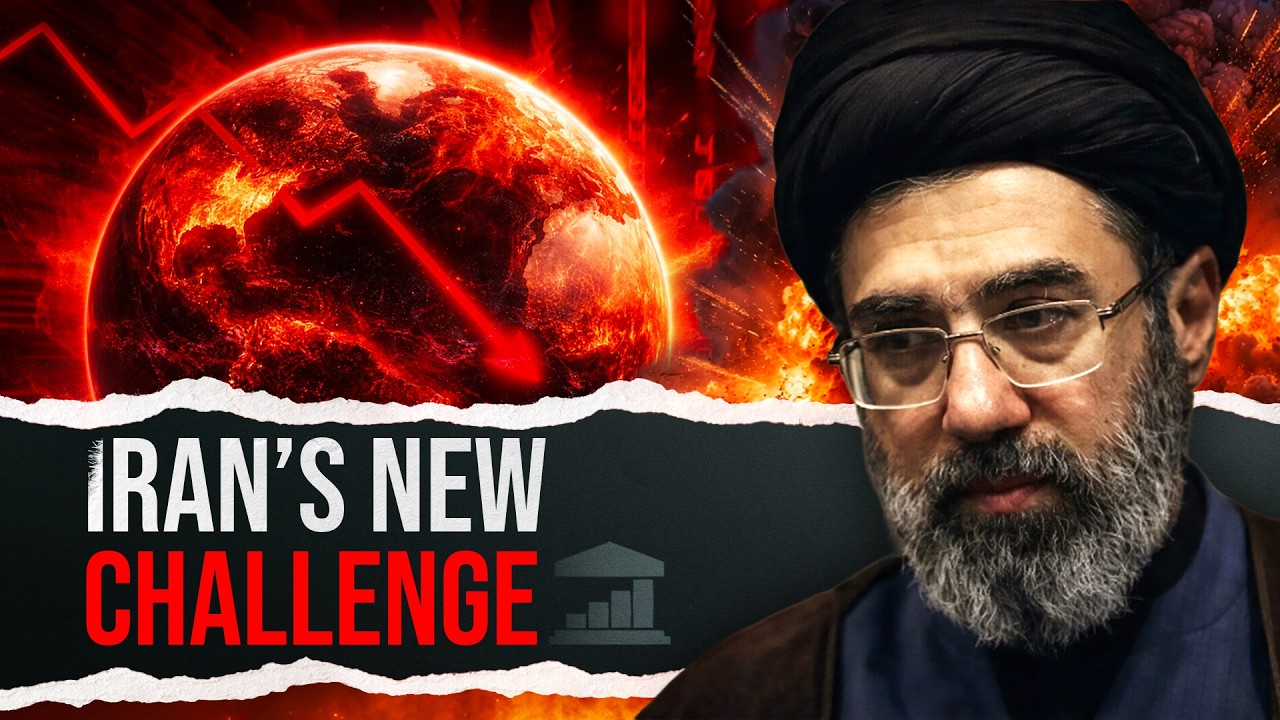
Iran-War and dangerous Lines

30 Days to Save the Economy?

No red lines: Israel vs Iran

Cuban regime nears collapse

Iran and the holy War risk

Is that Israel's final blow?

Israel presses Tehran

Iran lifts Dollar, sinks Euro
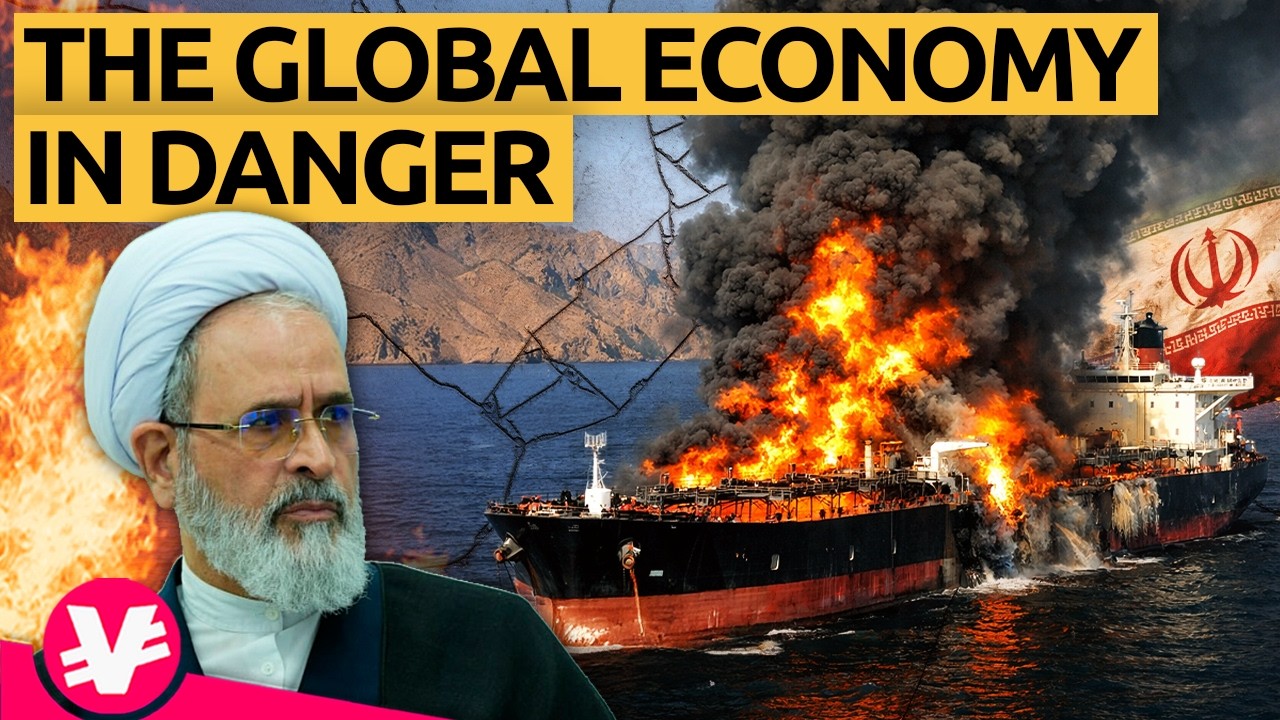
Hormuz Shock Risk rising

Brazil's trade-war boom

Iran's revenge rewired