-
 Inside the Venezuelan prison meant to 'drive you insane'
-
Trump to tout deals, defend Iran war in UN speech

-
 UK king braces as memoir by Diana's brother goes on sale
-
Sri Lanka to issue verdict in landmark Easter attack trial

-
 No green light to lift EU sanctions on Russian oligarchs, talks to resume
-
Macron says talks with Trump on Red Sea, Ukraine 'constructive'

-
 UK agrees support for Saudi in struggle with Houthis: reports
-
Green policies just good politics, says UK minister

-
 EU foreign policy chief calls for continued sanctions on Russia
-
Bardot auction in Paris fetches nearly one million euros

-
 Flights scrapped, evacuations urged as Typhoon Dujuan wallops Japan
-
No timeline on Daniels injury return, says Commanders coach

-
 Fonseca to take break from tennis
-
British Columbia sues OpenAI in US court over Canada school shooting

-
 A Cuban zoo, and its animals, in epic battle for survival
-
French star Batum retires after 18-year NBA career

-
 Infantino proposes consulting federations to reform FIFA
-
Zidane leads first France training session

-
 El Nino weather pattern enters record territory: scientist
-
Man shot by ICE agent in Texas detained with bullet inside him: lawyer

-
 OpenAI calls for US to lead global effort on AI standards
-
California declares state of emergency ahead of El Nino

-
 South African ostriches plucked alive for luxury fashion: report
-
South Africa arrests three more suspects, after nine women murdered

-
 US networks halt Trump coverage in revolt over White House ban
-
Carse needs time away from England, says captain Brook

-
 Paramount settles with US states to clear Warner Bros. mega-merger
-
NOWPayments Releases Cross-Chain Payout Data Revealing Key Performance Benchmarks Across TRON, BNB Chain, and Solana

-
 Climate crisis a job for world leaders, not just activists: UK FM
-
British Museum bans photos of Bayeux Tapestry as crowds linger

-
 US networks halt Trump coverage over White House ban
-
COP31 host says AI climate footprint to be a summit priority

-
 French singer accuses Miley Cyrus of plagiarism
-
Berlin's far-left vote winners reject anti-semitism charges

-
 EU fines Google 403 mn euros for location data breach
-
Mancini eager for 'new adventure' on Italy return

-
 'Best is yet to come,' says De la Fuente after Spain extension
-
Mbappe says having Zidane as France coach 'like a film'

-
 Why diesel prices are rising more than crude oil
-
Palmer, Rice out of England Nations League squad

-
 COP31 host says AI's climate footprint to be a summit priority
-
German auto workers stage mass protests in bid to save jobs
-
 Renewables hit record in 2025, but world must move faster: report
-
Embattled Merz vows to keep ruling for 'democratic future' of Germany
-
 US media outlets to sue Trump administration after White House ban
-
Merz vows to keep ruling coalition together for 'democratic future' of Germany
-
 Global stocks rally on lower oil prices, US-China hopes
-
Spain coach De la Fuente gets new deal after World Cup success

-
 EU proposes energy rating for data centres
-
Pressure grows on Germany's Merz after election defeats

Tanks in Gaza - Hopes dim?
Israeli armour pushed deep into Gaza City this month, marking a renewed ground phase of the war that began after the 7 October 2023 Hamas attacks. The advance, supported by sustained air and artillery strikes, has driven fresh displacement from the north of the enclave and re‑ignited a diplomatic clash over Palestinian statehood.
At the United Nations General Assembly on 26 September, Prime Minister Benjamin Netanyahu used a high‑profile address to rebuff mounting international pressure for a two‑state outcome. He derided the latest wave of recognitions of Palestinian statehood by key Western capitals and repeated his long‑stated position that sovereignty west of the River Jordan must remain under Israeli control. In the same breath, he pledged to continue the campaign in Gaza until Hamas is dismantled and hostages are returned.
The duelling military and political tracks are tightly entwined. Israel’s ground manoeuvres, including tanks entering and encircling sectors of Gaza City, have coincided with a diplomatic realignment: the United Kingdom, Canada and Australia announced formal recognition of a Palestinian state during the week of 21–22 September, followed by France. Those moves, championed as an effort to salvage a two‑state horizon, were condemned by Israel as rewarding violence and dismissed by Mr Netanyahu as incompatible with Israel’s security imperatives. Washington, by contrast, has not joined the recognitions; the Trump administration has floated a new framework while urging progress on a hostage deal.
Inside Gaza, the humanitarian picture is stark. According to Gaza’s Ministry of Health, relayed through UN briefings, at least 65,419 people had been killed and 167,160 injured as of 24 September 2025, with casualty tallies rising during the latest Gaza City offensive. UN humanitarian officials report that only 14 hospitals remain even partially functional across the Strip—none at full capacity—after a series of closures and damage in September. Aid pipelines have been repeatedly disrupted by insecurity, route closures and fuel scarcity, compounding the risk of famine in the north.
The conflict’s spillover remains acute in the occupied West Bank, where hundreds of Palestinians have been killed or injured this year amid raids, settler violence and protests. Humanitarian monitors say the tempo of demolitions and displacement continues to rise, deepening the governance and security vacuum.
Israel argues that Gaza City is now the last significant bastion of organised Hamas resistance; military officials say the current operation is designed to break that cohesion while pressing for the release of remaining hostages. Palestinian civilians, many displaced multiple times, describe an impossible calculus as evacuation orders repeatedly shift across neighbourhoods without the guarantee of safe passage or shelter.
Diplomatically, recognition has symbolic punch but limited immediate effect on the ground. It hardens international expectations for a negotiated two‑state endgame even as Israel’s leadership rejects it; it also introduces new friction with allies over settlement expansion and the status of Jerusalem. For Palestinians, the cascade of recognitions confers legal and political standing, but cannot by itself halt fighting, deliver aid at scale or compel a ceasefire.
That gap—between the armour on the streets of Gaza and the speeches in New York—defines the present moment. Tanks and bulldozers are redrawing realities block by block; chancelleries are redrawing their maps of legitimacy. For now, the military logic and Mr Netanyahu’s rhetoric point in the same direction: a prolonged campaign with no near‑term pathway to an independent Palestinian state.
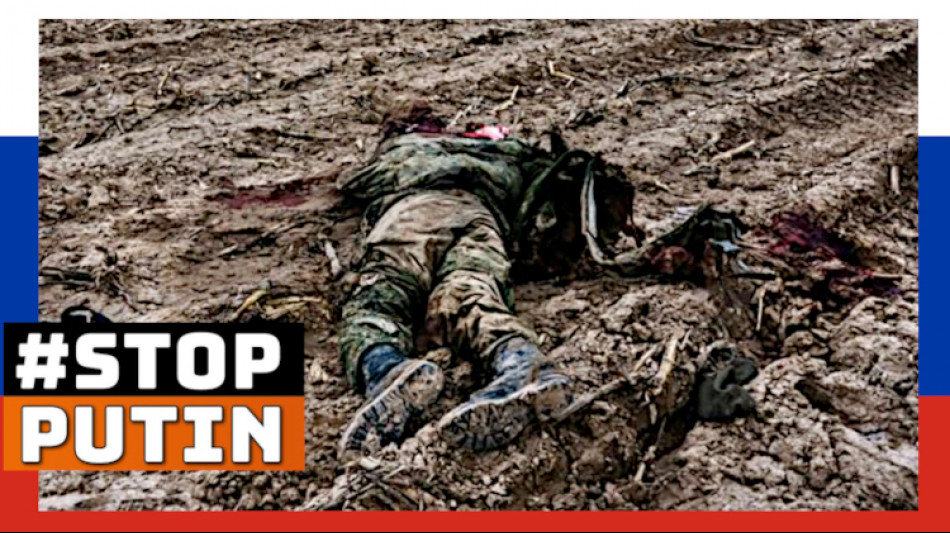
Dead Russian scum in Ukraine
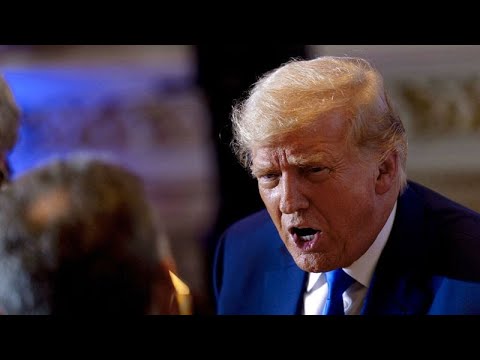
US Supreme Court: Trump must disclose tax returns

Moscow on alert after Crimea hit by ‘drone attack'

US Federal Reserve raises interest rate to highest level
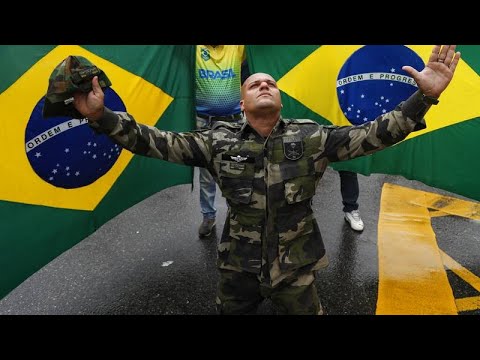
Brasilien: Jair Bolsonaro Wahlniederlage ein
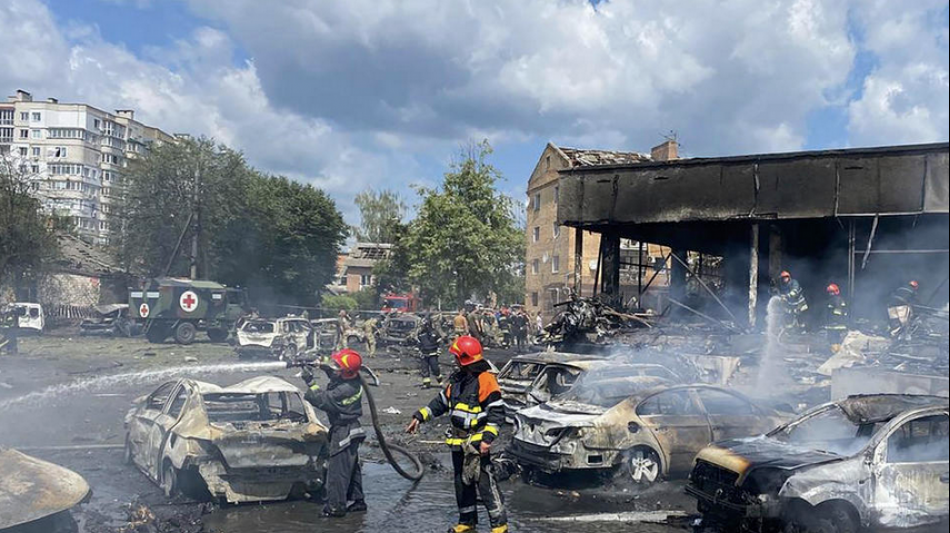
Russian war crimes!
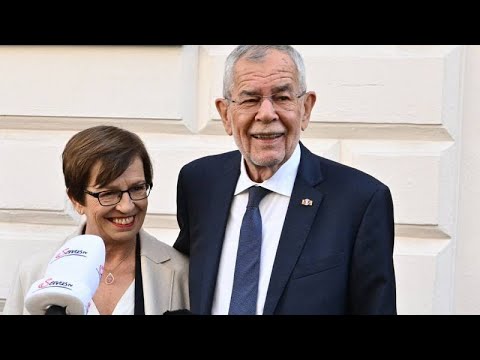
Austrian President: Second term!

Economic chaos in Italy
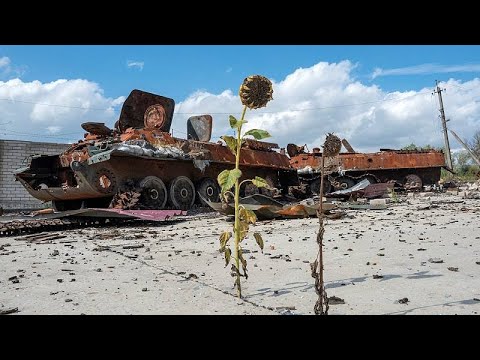
Ukraine's fight against the Russian terrorist state

Live coverage of HM Queen Elizabeth II's state funeral

LIVE: Farewell to Queen Elizabeth II.