-
 Graou shines as Toulouse sink Montpellier, Pau climb to second in Top 14
-
Vingegaard nears Tour of Catalonia victory with stage six win

-
 Malinin bounces back from Olympic meltdown with third straight world skating gold
-
French police foil Paris bomb attack outside US bank

-
 Senegal parade AFCON trophy at Stade de France, despite being stripped of title
-
Graou shines as Toulouse sink Montpellier to extend Top 14 lead

-
 Anti-Trump protests launch on 'No Kings' day in US
-
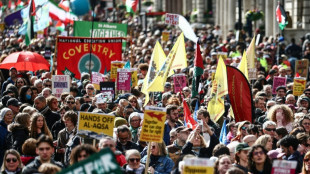
Protesters rally in London against UK far-right rise
-
 France foils Paris bomb attack outside US bank
-
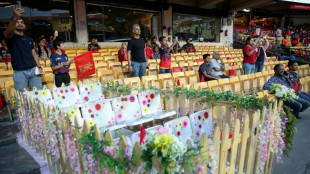
Indian Premier League cricket season begins with silence to honour stampede dead
-
 Missing Cuba-bound aid boats located, crew reported safe
-
Ignore our celebrations, we respect Bosnian team, says Italy's Dimarco

-
 Case closed for Morocco despite Senegal Afcon outrage
-
22 migrants die off Greece after six days at sea: survivors

-
 Henderson backs England's White after Wembley boos
-
Zelensky visits UAE, Qatar for air security talks with Gulf

-
 Hollingsworth upsets Hunter Bell as Gout Gout fails to fire in Melbourne
-
Iran footballers pay tribute to victims of school strike

-
 Questions over Israel's interceptor stockpiles as Mideast war drags on
-
Sweet heist? Nestle says 12 tonnes of KitKat stolen

-
 Pope denounces widening gap between the rich and poor on Monaco visit
-
Yemen's Houthi enter war with missile targeting Israel

-
 USS Gerald Ford arrives in Croatia for maintenance
-
Antonelli leads Mercedes 1-2 as Verstappen suffers qualifying shock

-
 Verstappen calls his Red Bull 'undriveable' after more woes
-
Antonelli takes pole for Japanese Grand Prix in Mercedes 1-2

-
 Millions angry with Trump expected to fill American streets
-
Attacks across Middle East as Iran war enters second month

-
 Late surge lifts Thunder, Celtics rally to down Hawks
-
Tiger Woods arrested, charged with DUI after Florida crash

-
 Antonelli leads Mercedes one-two in final Japan practice
-
Unease for Iranian-Canadians after shooting at ayatollah critic's gym

-
 Sequins, slogans, conspiracies: Inside the right-wing culture at CPAC
-
NBA fines T-Wolves center Reid $50,000 for ripping refs

-
 Sinner ousts Zverev to book Miami Open final with Lehecka
-
McKellar hails 'special memory' after Waratahs stun Brumbies

-
 Tuchel takes positives from scrappy England draw against Uruguay
-
Japanese star Sakamoto signs off with fourth world skating gold

-
 Tuchel disappointed after England fans boo White
-
US envoy hopeful on Iran talks as strikes target nuclear facilities

-
 Controversial African champions Morocco salvage Ecuador draw on Ouahbi debut
-
Dutch end Norway's unbeaten run as Haaland rests

-
 'Strait of Trump': US president says Iran must open key waterway
-
Wirtz steals show as Germany win thriller in Switzerland

-
 White jeered on England return as Uruguay snatch friendly draw
-
Tiger Woods arrested, charged with DUI after Florida crash: police

-
 Oyarzabal double fires Spain to win over Serbia
-
More to IOC gender testing than appeasing Trump: ex-IOC executive

-
 Japan's Sakamoto ends career with fourth world skating title
-
'Whatever it takes' - Sabalenka faces Gauff for second straight Miami Open crown

Asylum seekers: Return centres – a Solution?
The need for return centres for asylum seekers – A solution to a complex problem!
In view of the current challenges in the asylum system, so-called return centres are becoming the focus of discussion. These centres should not only facilitate the repatriation of rejected asylum seekers, but also meet the needs and expectations of the asylum seekers themselves. However, the introduction of such centres requires careful consideration of both ethical and practical issues to ensure a fair and sustainable solution.
Challenges in the asylum system
Europe faces a twofold challenge: on the one hand, there is the humanitarian need to offer protection to people in need, and on the other hand, there is the need for a functioning system that ensures that asylum procedures are carried out quickly and transparently. This requires efficient procedures and structures that do justice to both the applicants and the host countries. An important instrument could be the establishment of return centres. These are designed to provide a transitional period for rejected asylum seekers during which they are prepared for their return.
What are return centres?
Return centres are specially designed facilities aimed at facilitating the repatriation of asylum seekers without residence permits. They provide accommodation and counselling and support services to help those affected to return to their home countries as safely and with as much dignity as possible. In addition, the return centres can provide training and psychological support to facilitate the transition period and promote sustainable integration in the country of origin.
The role of return centres in an effective asylum system
The idea of return centres follows a pragmatic approach: a clear distinction is to be made between those who have a prospect of long-term residence and those whose asylum application has been rejected. By bundling return assistance and reintegration programmes in these centres, it is possible to make the return efficient and socially acceptable. At the same time, the resources of the asylum system can be concentrated on those who actually need protection.
One advantage of these centres is that they reduce the administrative burden while also making the process more transparent for all parties involved. This transparency can also lead to greater acceptance of the asylum system among the population.
Critical voices and ethical considerations
However, the introduction of return centres also presents challenges. Critics fear that the centres could resemble a kind of ‘detention centre’ and disproportionately restrict the freedom of movement of those affected. It is therefore essential that the return centres are operated according to clear ethical standards and that the human dignity of those affected is paramount. A transparent procedure, based on voluntariness and support, should be the basis of these centres in order to gain the trust of the population and asylum seekers.
Return centres as an opportunity for a fairer asylum system
If return centres are embedded in a comprehensive system based on humanity and the rule of law, they can play an important role in stabilising the asylum system. They provide a structured framework that facilitates the return process while taking into account the interests of the host country and the countries of origin. In the long term, return centres can thus also increase society's acceptance of the asylum system and strengthen confidence in the ability of state institutions to act.
Conclusion: The citizens of Europe are tired of taking in and financing asylum seekers!
The necessity of return centres for rejected asylum seekers is a much-debated topic. Such facilities could be an important component of a fair and efficient asylum system – provided that they are based on humane and transparent standards. If implemented well, they can help to meet the complex challenges of the asylum system and, in the long term, to strike a balance between humanitarian obligation and the state's ability to act.

Trump announces Homan as new 'border czar'

EU: How do we deal with Donald Trump?

Watch Live: Trump or Harris? America votes!

Georgia: Ruling party celebrates election victory

Climate change: A farm in Rotterdam

EU: Overcoming barriers to equality
Germany and its outdated pension system

How important is sustainable development?

Berlin: EU-Summit of western Balkan heads of state

Putin's War Will Go Bankrupt if the Oil Prices Drop

Germany: The fight against economic migrants