-
 ByteDance quietly rolls out SeeDance 2.0 globally
-
Israel strikes Iran as Tehran rejects US talks overture
-
 Mercedes teen ace Antonelli wants more of the same after maiden win
-
Singer Rosalia quits Milan concert with food poisoning

-
 Oil climbs and equities sink amid mixed messages on 'talks'
-
'Get out': Verstappen bans reporter from Japan press conference

-
 Leaked Nepal report into deadly uprising calls for prosecuting ex-PM
-
Verstappen says last-minute F1 rule tweak will help only 'a tiny bit'

-
 Oil rises and equities mixed amid mixed messages on 'talks'
-
EU to vote on Trump tariff deal -- but eyes rest of world

-
 Somalia football slowly becomes a women's game
-
Venezuela oil reserves both entice and repel energy giants
-
 Hamilton says more committed to F1 than ever at 41
-
China bans runner after mid-marathon splits goes viral

-
 Myanmar's rebuild stutters year after deadly quake
-
Murray's 53 points propel Nuggets over Mavs
-
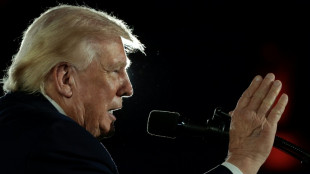 Israel strikes Iran as Trump says Tehran wants deal to end war
-
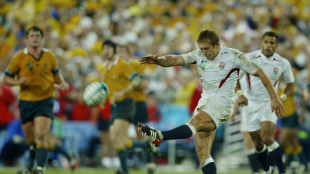
Wilkinson calls for England to find consistency before World Cup
-
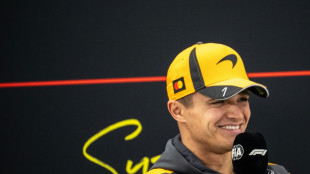 Norris talks up McLaren chances after double China disaster
-
Teen sprint star Gout Gout 'ready to rock and roll' in Melbourne

-
 Hezbollah rejects truce talks as Israel presses Lebanon strikes
-
Mideast war fuels disinformation about Taiwan's gas supply

-
 Kohli, Suryavanshi to light up IPL as stampede dead remembered
-
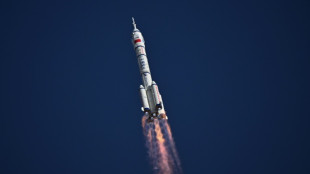
Moon race: how China is challenging the US
-
 Zimbabwe lithium export ban triggers crackdown, concerns
-
Embiid, George make triumphant NBA returns in Sixers win

-
 North Korea's Kim 'warmly' welcomes Belarusian leader
-
Oil edges up and equities mixed amid mixed messages on 'talks'

-
 Russian oil arrives as Philippines battles 'energy emergency'
-
G7 meets in France to narrow transatlantic Iran split

-
 WTO mulls future of global trade under cloud of Mideast war
-
McKellar tells Waratahs to 'roll sleeves up' against rivals Brumbies
-
 Iran says 'no negotiations' as US warns to accept 15-point deal
-
Postecoglou 'not done yet' as he watches Spurs and Forest battle relegation

-
 US activists work to connect Iranians via Starlink
-
MLS dreams of global fanbase after World Cup showcase

-
 Sabalenka and Rybakina to clash again in Miami semi-final
-
Former Australian Rules player is first to come out as openly gay

-
 London plans two-day mega 100,000-runner marathon
-
UN pushes fuel solution for Cuba aid work amid US talks

-
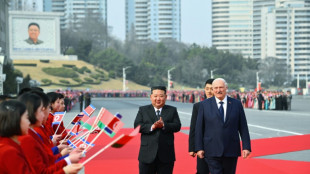 Belarus' Lukashenko greeted by North Korean leader in Pyongyang
-
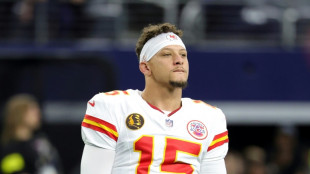
Video shows Chiefs star Mahomes making progress in NFL comeback
-
 Bayern beat Man Utd in five-goal women's Champions League thriller
-
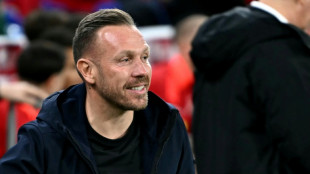
Wales would be 'massive asset' to World Cup, says Bellamy
-
 NFL champion Seahawks to open season on September 9
-
Silver vows NBA tanking solution before draft, seeks Euroleague partnership

-
 Day of reckoning arrives for social media after US court loss
-
World Cup concerns are exaggerated, says FIFA vice-president
-
 NBA team owners approve exploring expansion to Seattle and Las Vegas
-
UK teenagers to trial social media bans, digital curfews

EU: How do we deal with Donald Trump?
The prospect of Donald Trump returning to the Oval Office as the 47th President of the United States presents the European Union (EU) with a complex array of challenges and considerations. A renewed Trump presidency could significantly alter the transatlantic relationship, impacting economic ties and security cooperation. It is imperative for the EU to proactively assess its strategies to navigate this potential shift in U.S. foreign policy.
Recalibrating Diplomatic Engagement
Under President Trump's previous tenure, the transatlantic alliance experienced strains over issues such as trade tariffs, NATO funding, and differing approaches to global agreements like the Paris Climate Accord and the Iran Nuclear Deal. The EU should prepare for a diplomatic landscape where unilateral U.S. decisions might resurface. Strengthening intra-EU cohesion and presenting a unified front in negotiations could enhance the bloc's ability to manage disagreements effectively.
Economic Implications and Trade Policies
A Trump administration may revisit protectionist trade policies, potentially reinstating tariffs on European goods. The EU should consider:
- Diversifying Trade Partnerships: Reducing reliance on the U.S. market by expanding trade agreements with other global partners could mitigate economic risks.
- Enhancing Internal Markets: Strengthening the Single Market can bolster the EU's economic resilience against external shocks.
- Negotiating Trade Terms: Proactive engagement with U.S. counterparts to find mutually beneficial trade arrangements may prevent escalations.
Security and Defense Considerations
Trump's previous criticisms of NATO and demands for increased defense spending from European allies could resurface. The EU might need to:
- Boost Defense Capabilities: Investing in European defense initiatives can reduce dependency on U.S. military support.
- Promote Strategic Autonomy: Developing independent security strategies allows the EU to respond to global threats more effectively.
- Maintain Open Channels: Continuous dialogue with U.S. defense officials is crucial to preserve cooperation on shared security interests.
Climate Change and Environmental Policies
Given Trump's past withdrawal from the Paris Climate Accord, environmental collaboration may face challenges. The EU should:
- Lead Global Efforts: Continue to champion climate initiatives on the international stage, encouraging other nations to commit to environmental goals.
- Engage in Dialogue: Seek common ground with the U.S. on specific environmental issues where cooperation is possible.
Addressing Global Governance and Multilateralism
A shift towards unilateralism in U.S. foreign policy could undermine multilateral institutions. The EU can:
- Support International Organizations: Reinforce commitment to the United Nations, World Trade Organization, and other bodies to uphold global governance structures.
- Forge Alliances: Collaborate with like-minded countries to promote a rules-based international order.
Mitigating Risks of Geopolitical Tensions
Potential policy divergences on relations with countries like China, Russia, and Iran require careful navigation. The EU should:
- Develop Cohesive Foreign Policies: Align member states on key foreign policy positions to present a united stance.
- Engage in Strategic Dialogue: Maintain open communications with the U.S. to manage disagreements and prevent escalations.
Conclusion
A potential second Trump presidency necessitates that the European Union reassesses its approach to transatlantic relations. By prioritizing unity, enhancing strategic autonomy, and engaging in proactive diplomacy, the EU can mitigate potential economic and security risks. Preparing for various scenarios ensures that the EU remains resilient and capable of upholding its interests on the global stage.

Asylum seekers: Return centres – a Solution?

Climate change: A farm in Rotterdam
EU: Overcoming barriers to equality
Germany and its outdated pension system
How important is sustainable development?
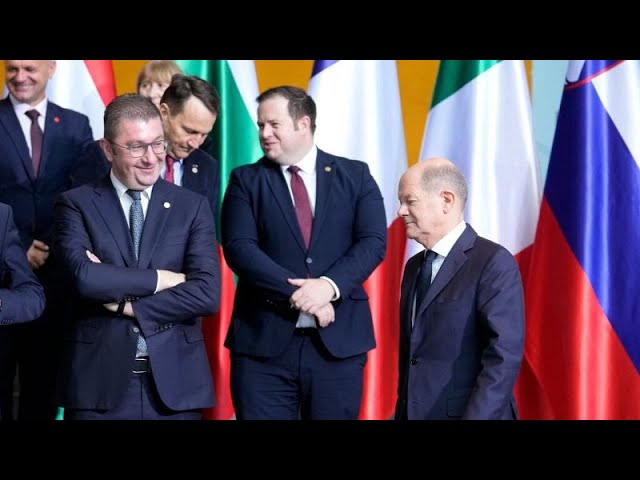
Berlin: EU-Summit of western Balkan heads of state
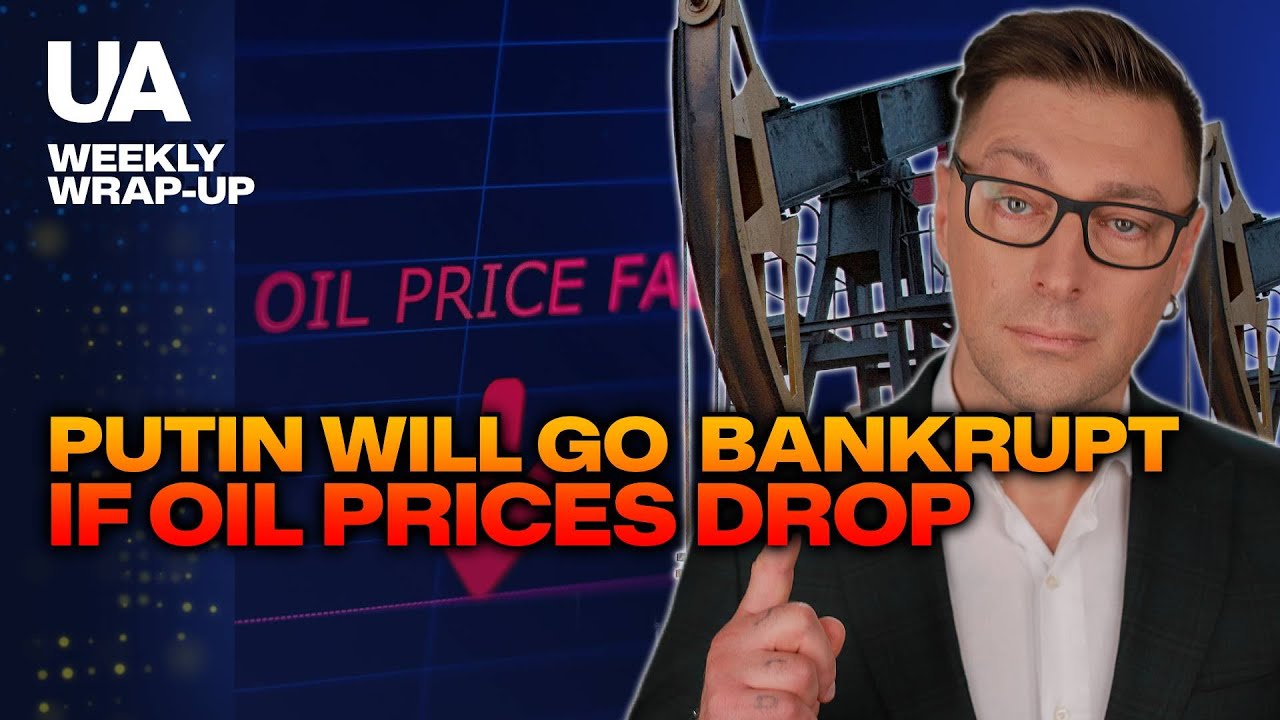
Putin's War Will Go Bankrupt if the Oil Prices Drop

Germany: The fight against economic migrants
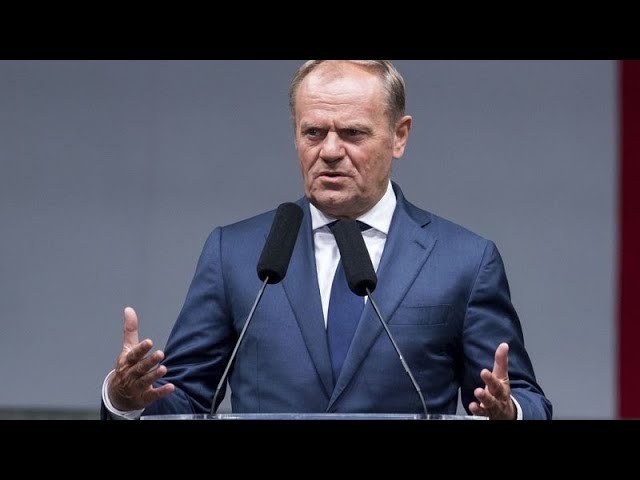
Polish PM and the danger of asylum seekers
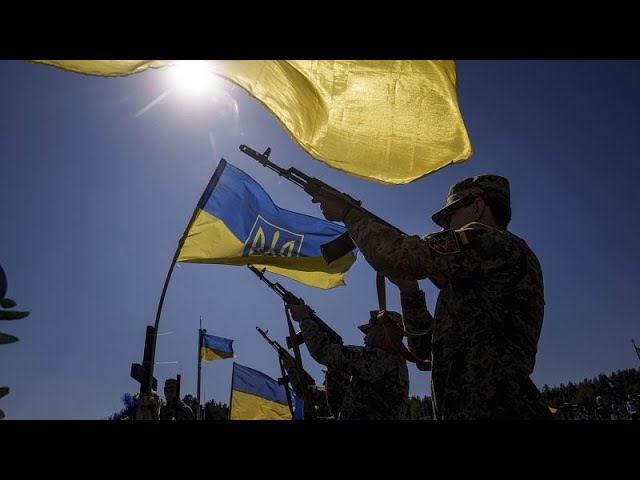
Ukraine: Recruiters searched Kyiv venues

EU: Austrian elections shake Establishment