-
 Oil prices slip, stocks rally on Mideast peace hopes
-
South Africa police clash with anti-immigrant protesters
-
 Gattuso says Italy's World Cup play-off 'biggest match' of career
-
Sakamoto leads skating swansong with 'Time to Say Goodbye' at worlds

-
 Spanish PM says Middle East war 'far worse' than Iraq in 2003
-
First Robot: Melania Trump brings droid to White House event

-
 Oldest dog DNA suggests 16,000 years of human companionship
-
Iran media casts doubt on US peace plan
-
 Rare mountain gorilla twins born in DR Congo: park authorities
-
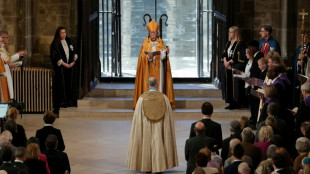
Ex-midwife enthroned as first female Archbishop of Canterbury
-
 AC Schnitzer: When Iconic Tuners Fall Silent
-
Senegal lodge appeal to Court of Arbitration for Sport over AFCON final decision

-
 South Africa seal T20 series win in New Zealand
-
Study links major polluters to big climate damages bill

-
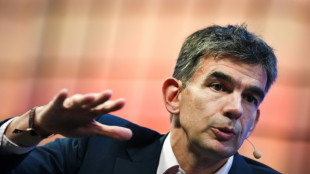 Ex-Google chief Matt Brittin made new BBC director-general
-
Iran likely behind attacks sowing fear among Europe's Jews: experts

-
 'Relieved' McGrath claims career first crystal globe in slalom
-
US ski star Shiffrin wins overall World Cup title for sixth time

-
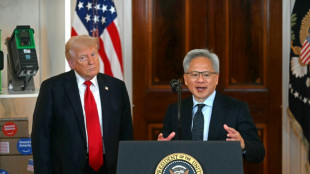 Trump names tech titans to science advisory council
-
Mideast war sparks long queues at Kinshasa petrol stations

-
 US TV star details 'agony' over mother's disappearance
-
Tehran receives US plan to end Mideast war, as Iran fires at US carrier
-
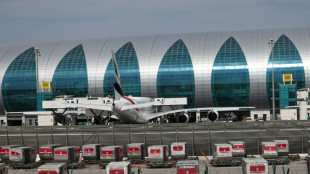 Aviation, tourism, agriculture... the economic sectors hit by the war
-
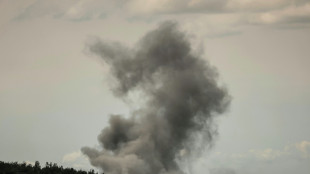
Iran fires at US carrier as backchannel diplomacy aims to end war
-
 Salah's long goodbye brings curtain down on golden era for Liverpool
-
Monaco: city of vice and a few virtues

-
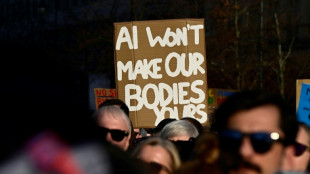 AI making cyber attacks costlier and more effective: Munich Re
-
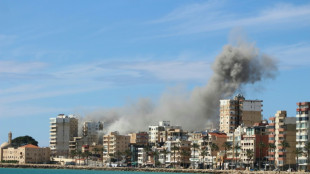
Defying Israeli bombs, Lebanese hold out in southern city of Tyre
-
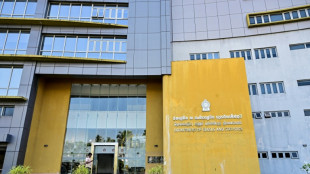 War-linked power crunch pushes Sri Lanka to four-day week
-
Hungary says will phase out gas deliveries to Ukraine
-
 Oil prices tumble, stocks rally on Mideast peace hopes
-
Maybach: Between Glory and a Turning Point

-
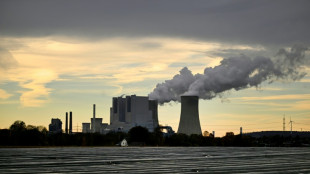 German business morale falls as war puts recovery on ice: survey
-
Labubu maker Pop Mart's shares fall 23% despite surging earnings

-
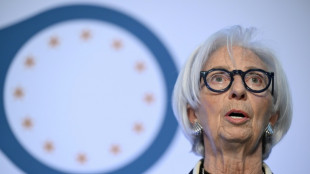 ECB won't be 'paralysed' in face of energy shock: Lagarde
-
Iran hits targets across Middle East after Trump signals talks progress

-
 McEvoy says best is to come after breaking long-standing swim record
-
Goat vs gecko: A tiny Caribbean island faces wildlife showdown

-
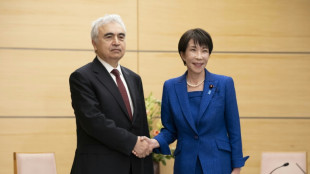 Japan PM asks IEA chief to prepare additional 'coordinated release' of oil
-
Hungary's hard-pressed LGBTQ people say Orban exit is only half battle

-
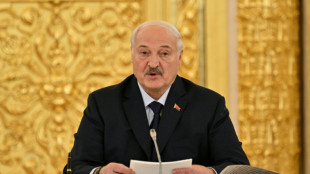 Belarus leader visits North Korea for first time
-
'No heavier burden': the decades-long search for Kosovo war missing

-
 Exotic pet trade thrives in China despite welfare concerns
-
Iran fires missile salvo after Trump signals progress in talks

-
 BTS concert drew 18.4 million viewers, says Netflix
-
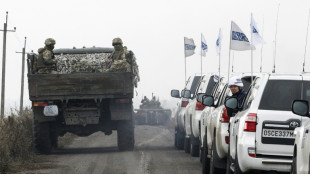
OSCE's 'chaotic' Ukraine evacuation put staff at risk: leaked report
-
 Top WTO official sounds fertiliser warning over Middle East war
-
France and Brazil weigh up World Cup prospects in glamour friendly

-
 Italy hoping to end World Cup pain as play-offs loom
-
Dirty diapers born again in Japan recycling breakthrough

Asylum seekers: Return centres – a Solution?
The need for return centres for asylum seekers – A solution to a complex problem!
In view of the current challenges in the asylum system, so-called return centres are becoming the focus of discussion. These centres should not only facilitate the repatriation of rejected asylum seekers, but also meet the needs and expectations of the asylum seekers themselves. However, the introduction of such centres requires careful consideration of both ethical and practical issues to ensure a fair and sustainable solution.
Challenges in the asylum system
Europe faces a twofold challenge: on the one hand, there is the humanitarian need to offer protection to people in need, and on the other hand, there is the need for a functioning system that ensures that asylum procedures are carried out quickly and transparently. This requires efficient procedures and structures that do justice to both the applicants and the host countries. An important instrument could be the establishment of return centres. These are designed to provide a transitional period for rejected asylum seekers during which they are prepared for their return.
What are return centres?
Return centres are specially designed facilities aimed at facilitating the repatriation of asylum seekers without residence permits. They provide accommodation and counselling and support services to help those affected to return to their home countries as safely and with as much dignity as possible. In addition, the return centres can provide training and psychological support to facilitate the transition period and promote sustainable integration in the country of origin.
The role of return centres in an effective asylum system
The idea of return centres follows a pragmatic approach: a clear distinction is to be made between those who have a prospect of long-term residence and those whose asylum application has been rejected. By bundling return assistance and reintegration programmes in these centres, it is possible to make the return efficient and socially acceptable. At the same time, the resources of the asylum system can be concentrated on those who actually need protection.
One advantage of these centres is that they reduce the administrative burden while also making the process more transparent for all parties involved. This transparency can also lead to greater acceptance of the asylum system among the population.
Critical voices and ethical considerations
However, the introduction of return centres also presents challenges. Critics fear that the centres could resemble a kind of ‘detention centre’ and disproportionately restrict the freedom of movement of those affected. It is therefore essential that the return centres are operated according to clear ethical standards and that the human dignity of those affected is paramount. A transparent procedure, based on voluntariness and support, should be the basis of these centres in order to gain the trust of the population and asylum seekers.
Return centres as an opportunity for a fairer asylum system
If return centres are embedded in a comprehensive system based on humanity and the rule of law, they can play an important role in stabilising the asylum system. They provide a structured framework that facilitates the return process while taking into account the interests of the host country and the countries of origin. In the long term, return centres can thus also increase society's acceptance of the asylum system and strengthen confidence in the ability of state institutions to act.
Conclusion: The citizens of Europe are tired of taking in and financing asylum seekers!
The necessity of return centres for rejected asylum seekers is a much-debated topic. Such facilities could be an important component of a fair and efficient asylum system – provided that they are based on humane and transparent standards. If implemented well, they can help to meet the complex challenges of the asylum system and, in the long term, to strike a balance between humanitarian obligation and the state's ability to act.
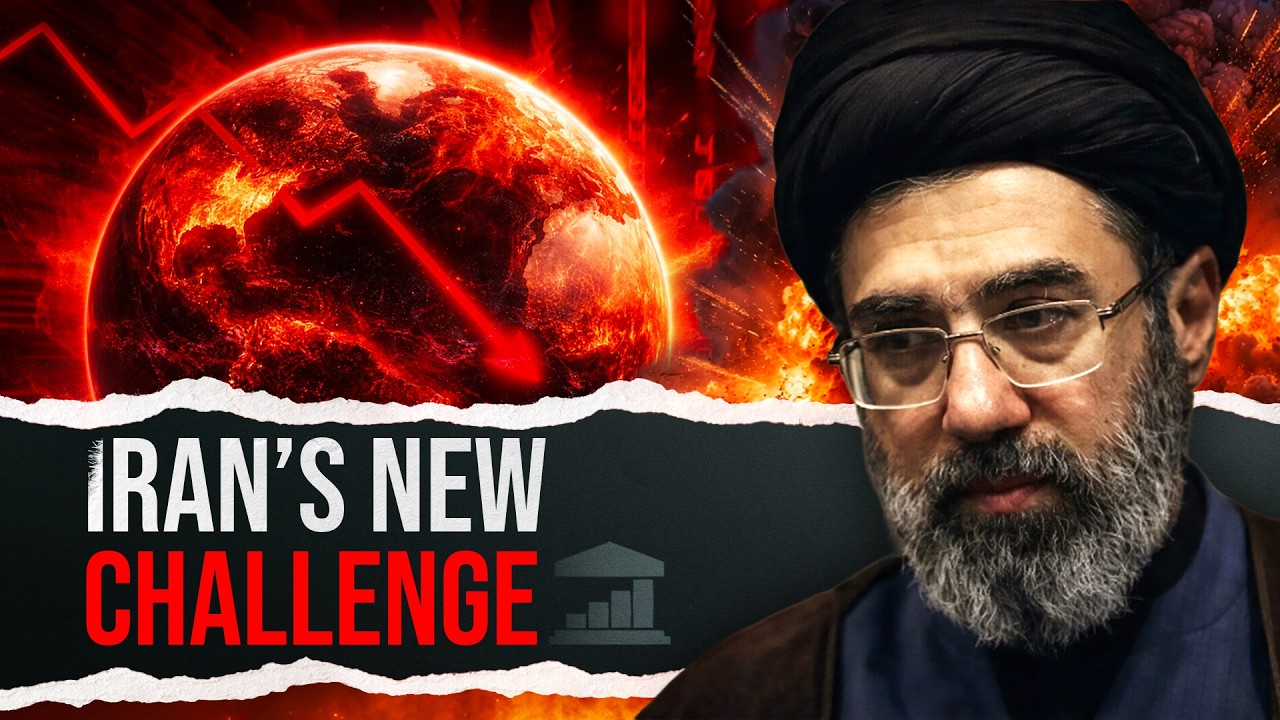
Iran-War and dangerous Lines

30 Days to Save the Economy?

No red lines: Israel vs Iran

Cuban regime nears collapse

Iran and the holy War risk

Is that Israel's final blow?

Israel presses Tehran

Iran lifts Dollar, sinks Euro
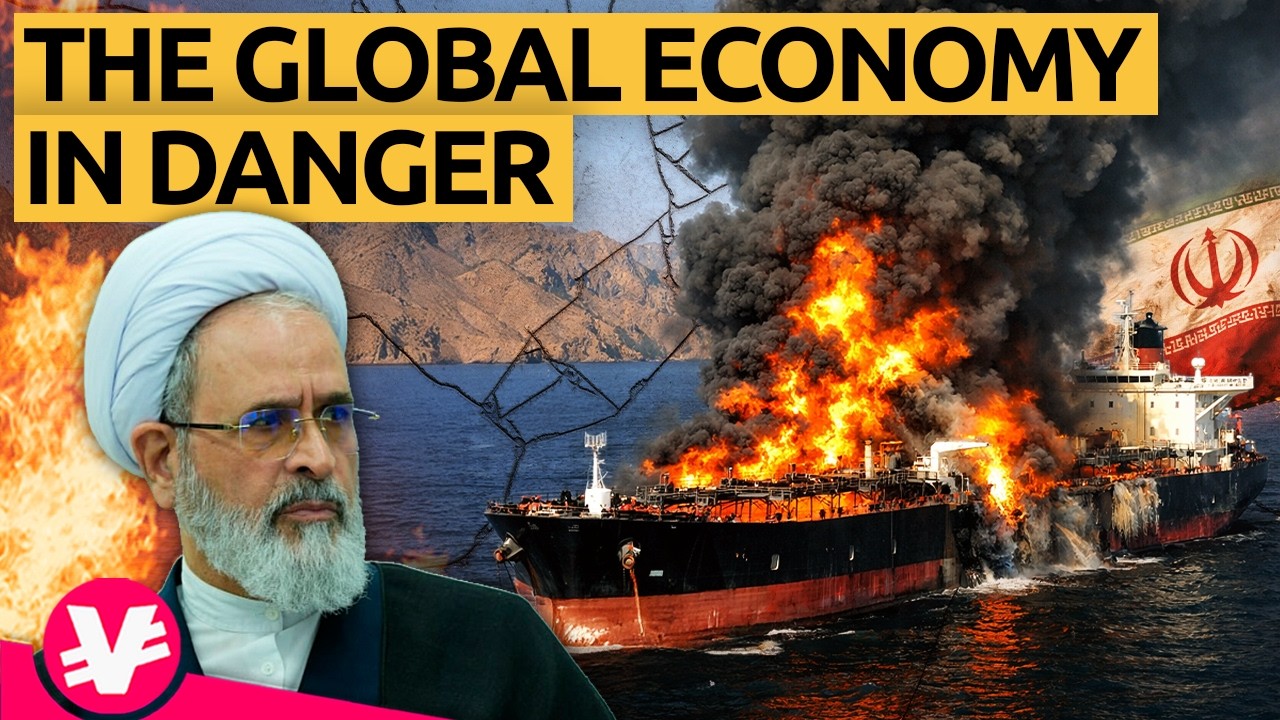
Hormuz Shock Risk rising

Brazil's trade-war boom

Iran's revenge rewired