-
 IOC's gender test directive throws up multiple questions
-
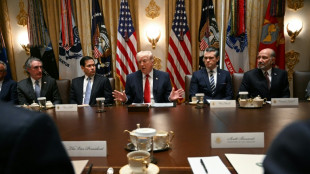
Trump insists Iran operations 'extremely' ahead of schedule
-
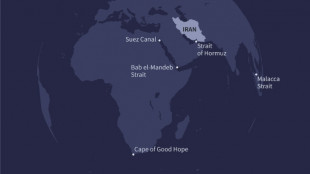 Bab al-Mandeb Strait: another key shipping route under threat
-
Families of Kabul bombing victims still search for answers

-
 Police detain French ex-cop suspected of killing mothers of his children
-
Venezuela's Maduro back in court after stunning US capture

-
 Senegal victims of 'most blatant scam' in football history: federation
-
Former badminton Olympic gold winner Marin retires due to injury

-
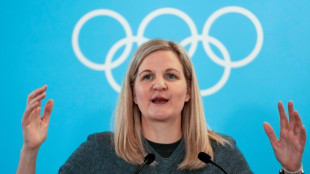 Olympic women's sport to be limited to biological females
-
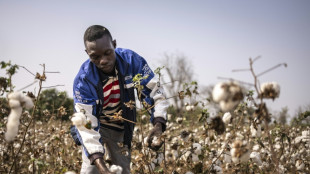
Africa sets out stall for cotton at the WTO
-
 Trump's Iran war tests MAGA 'America First' creed
-
What's happening with Iran-US 'talks'?
-
 WTO mulls future of global trading under cloud of Mideast war
-
US flexes 'new order' trade policy as WTO meet kicks off
-
 Germany unveils rescue plan for struggling chemical sector
-
UK PM 'very keen' to curb addictive social media after US ruling

-
 South Africa disinvited from G7 in France after US pressure: Pretoria
-
EU moves closer to ban sexualised AI deepfakes

-
 France bids farewell to ex-PM Jospin who 'modernised' nation
-
Belarus' Lukashenko gifts automatic rifle to North Korea's Kim

-
 Germany bank on team spirit to end World Cup woes
-
Venezuela's Maduro back in US court after stunning capture

-
 French court orders ex-bishop to pay over 1970s child sex abuse
-
PSG Ligue 1 game postponed in between two legs of Liverpool Champions League tie

-
 Iran may believe it has the upper hand as Trump seeks talks
-
EU urged to broadly restrict 'forever chemicals'

-
 Italy seizes millions 'embezzled' from Ursula Andress
-
Trump says Iran 'better get serious' in Mideast war talks
-
 Global trading system hit by 'worst disruptions in the past 80 years': WTO chief
-
EU accuses four porn platforms of letting children access adult content

-
 Cathay Pacific raises fuel surcharge on all flights by 34%
-
EU probes Snapchat over suspected child protection failings

-
 EU parliament backs Trump tariff deal -- with conditions
-
'Return hubs' for migrants clear EU parliament hurdle
-
 Meta watchdog says grassroots fact checks risk harm to users
-
G7 meets in France to mend transatlantic rupture on Iran

-
 ByteDance quietly rolls out SeeDance 2.0 globally
-
Israel strikes Iran as Tehran rejects US talks overture

-
 Mercedes teen ace Antonelli wants more of the same after maiden win
-
Singer Rosalia quits Milan concert with food poisoning

-
 Oil climbs and equities sink amid mixed messages on 'talks'
-
'Get out': Verstappen bans reporter from Japan press conference

-
 Leaked Nepal report into deadly uprising calls for prosecuting ex-PM
-
Verstappen says last-minute F1 rule tweak will help only 'a tiny bit'

-
 Oil rises and equities mixed amid mixed messages on 'talks'
-
EU to vote on Trump tariff deal -- but eyes rest of world

-
 Somalia football slowly becomes a women's game
-
Venezuela oil reserves both entice and repel energy giants
-
 Hamilton says more committed to F1 than ever at 41
-
China bans runner after mid-marathon splits goes viral

EU Residence permits: Record level to third nationals
The European Union (EU) has witnessed a significant increase in the number of residence permits issued to third-country nationals over the past decades. This trend has sparked a debate on whether such immigration represents a valuable opportunity for the EU's future or poses a burden to its member states. This article explores the reasons behind the proliferation of residence permits and examines the potential implications for the EU.
Understanding the Surge in Residence Permits
Economic Drivers
One of the primary reasons for the high number of residence permits is the economic demand within the EU. Many member states face ageing populations and shrinking workforces, which can hinder economic growth and strain public welfare systems.
- Labour Shortages: Sectors such as healthcare, engineering, information technology, and agriculture often experience shortages of skilled and unskilled labour. Immigration provides a solution by filling these gaps with third-country nationals.
- Innovation and Competitiveness: Attracting highly skilled professionals from around the world enhances the EU's competitiveness in the global market, fostering innovation and technological advancement.
Educational Opportunities
European universities and educational institutions are renowned globally, attracting students from non-EU countries.
- International Students: Many third-country nationals receive residence permits to study in the EU, contributing to cultural diversity and academic excellence.
- Knowledge Retention: Post-graduation, some students choose to remain in the EU, adding value to the labour market with their acquired skills and expertise.
Humanitarian Obligations
The EU upholds strong commitments to human rights and humanitarian assistance.
- Asylum Seekers and Refugees: Conflicts, persecution, and humanitarian crises in regions like the Middle East and Africa have led to an influx of individuals seeking safety in the EU.
- Family Reunification: Policies that allow family members to join relatives legally residing in the EU contribute to the number of residence permits issued.
Legal Frameworks and Policies
EU directives and national policies facilitate the issuance of residence permits.
- Blue Card Scheme: Designed to attract highly qualified workers, the Blue Card system provides a streamlined process for third-country nationals to live and work in the EU.
- Bilateral Agreements: Some member states have agreements with non-EU countries to encourage mobility and cooperation.
Opportunity for the EU's Future
Economic Growth and Sustainability
Immigration can stimulate economic activity and support public finances.
- Workforce Renewal: Immigrants often fill essential roles, ensuring the continuity of services and industries.
- Fiscal Contributions: Employed immigrants contribute to tax revenues and social security systems, helping to offset the costs of an ageing native population.
Cultural Enrichment and Diversity
Diversity fosters creativity and innovation.
- Cultural Exchange: Immigrants bring new perspectives, traditions, and ideas, enriching the social fabric of EU societies.
- Soft Power: A multicultural population enhances the EU's global influence and diplomatic relations.
Addressing Demographic Challenges
Immigration helps mitigate demographic imbalances.
- Population Decline: In countries with low birth rates, immigrants contribute to population growth and demographic stability.- Support for Elderly Populations: A younger immigrant workforce can support the increasing number of retirees.
Potential Burdens and Challenges
Social Integration
Integrating immigrants into society poses challenges.
- Cultural Differences: Language barriers and cultural disparities can hinder social cohesion.
- Education and Training: Additional resources may be required to provide language education and vocational training.
Economic Pressures
There are concerns about the strain on public services.
- Welfare Systems: Increased demand for healthcare, housing, and social services can pressure budgets, especially if immigrants face unemployment.
- Labour Market Competition: Some fear that immigrants may compete with native workers for jobs, potentially affecting wages and employment opportunities.
Political and Social Tensions
Immigration can become a polarising issue.
- Rise of Populism: Anti-immigrant sentiments can fuel nationalist movements and political polarisation.
- Security Concerns: Issues related to border control and illegal immigration raise security considerations.
Balancing Act: Policies for Sustainable Immigration
For immigration to serve as an opportunity rather than a burden, strategic policies are essential.
Effective Integration Strategies
- Education and Language Acquisition: Investing in programmes that facilitate language learning and cultural orientation.
- Employment Support: Providing pathways for immigrants to enter the labour market commensurate with their skills.
Economic Planning
- Targeted Immigration: Aligning immigration policies with labour market needs to ensure that incoming individuals fill critical roles.
- Support for Innovation: Encouraging entrepreneurs and investors through favourable conditions and support networks.
Social Cohesion Initiatives
- Community Engagement: Promoting interactions between immigrants and local communities to build mutual understanding.
- Anti-Discrimination Laws: Enforcing legislation that protects the rights of immigrants and promotes equality.
Conclusion: A Future Shaped by Immigration
The influx of third-country nationals through residence permits presents both opportunities and challenges for the European Union. When managed effectively, immigration can address demographic issues, bolster economic growth, and enrich societies culturally. However, without careful planning and integration efforts, it may lead to social tensions and economic pressures.
The key lies in implementing comprehensive policies that maximise the benefits of immigration while mitigating its challenges. By fostering an inclusive environment and leveraging the potential of immigrants, the EU can turn what some perceive as a burden into a significant advantage for its future.

EU: Foreign-controlled enterprises?

EU DECODED: Deforestation law’s trade-offs

Underwater Wi-Fi: European startups woo investors
Trump's US support for Ukraine and China?

Cultural year 2024: between Qatar and Morocco
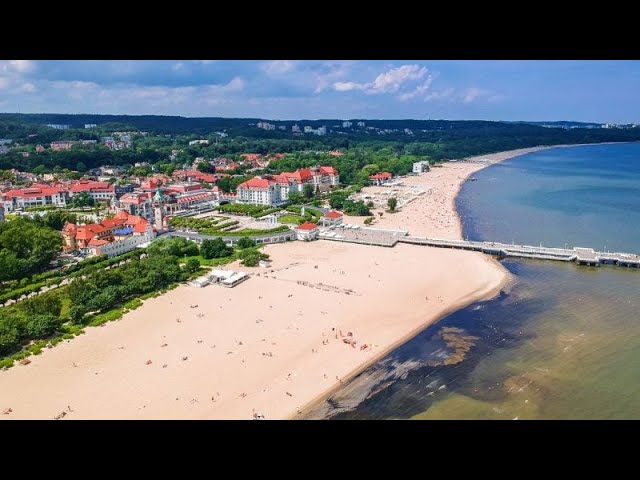
Planning a wellness break? Poland!

Studio Kremlin: creative co-working in Paris
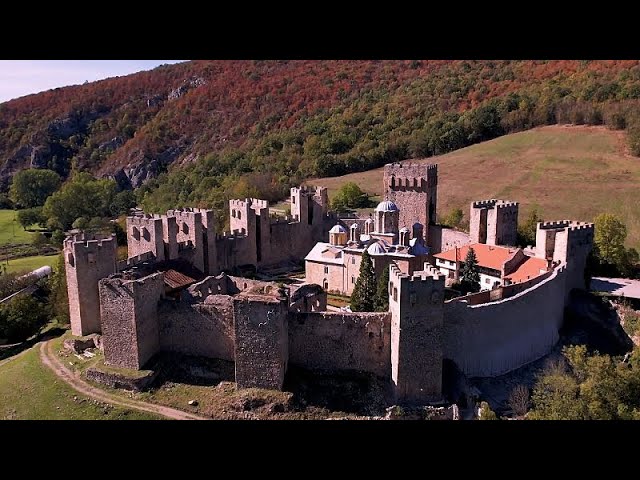
Culture: Serbia’s architectural marvels
Trump announces Homan as new 'border czar'
EU: How do we deal with Donald Trump?

Watch Live: Trump or Harris? America votes!