-
 Russia probes bear attacks, as official says town under 'siege'
-
China prodigy wins third Games gold as North Korea weightlifters roar

-
 Robertson tells Spurs to 'forget' past woes
-
China's Yu, 13, wins third Asian Games gold but has 'some regrets'

-
 Italy police find 3 million euros stashed in mobster's house
-
Oil falls, stocks steady as Trump hails 'good' Iran talks
-
 Renard versus Queiroz in AFCON qualifying blockbuster
-
UK sets up unit to combat disinformation from Russia, AI

-
 Former Mexico boss Aguirre returns to Spain with Valencia
-
ICC convicts C.Africa rebel leader

-
 China swimmer, 13, seals Games hat-trick as North Korea win first gold
-
China's Yu, 13, wins third gold with latest Asian Games record

-
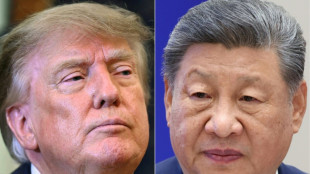 China's Xi heads to US for talks with Trump: state media
-
UK says will revisit Chagos deal after latest Trump criticism

-
 Azerbaijan pardons Frenchman after EU lifts sanctions on oligarchs
-
In first, French presidential candidate gives birth during campaign

-
 Hadjar extends Red Bull contract for 2027 F1 season
-
Cambodia no 'safe haven' for cyberscams, PM says

-
 Black Sea drone attacks spell terror for Turkish sailors
-
North Korea weightlifter sets three world records for Asian Games gold

-
 Canada judge to decide prison term for suicide poison seller
-
A Full Moon for Every Child: STARTRADER's STARCARES Brings Support to SOS Children's Village Ho Chi Minh City

-
 Weinstein faces resentencing in New York for 2006 sex assault
-
Meta leans into AI, smart glasses amid privacy pushback

-
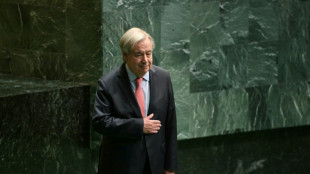 Outgoing UN chief makes climate push at New York summit
-
Battered Duerer masterpiece up for five-year revamp

-
 AI risks, Iran war to take center stage at UN
-
Trump met with Venezuela's interim leader at UN

-
 Badminton no.1 An tells dad to keep it down at Asian Games
-
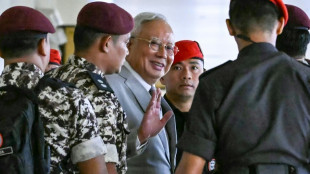
Malaysia furore after Najib wins conditional house arrest
-
 Runaway leader Antonelli eyeing third straight win
-
Italy hope for new dawn under Mancini

-
 Schoolgirl Yu, 13, fastest again in bid for third Asian Games gold
-
Mongolian herders enlist new tech against harsher, drier climate

-
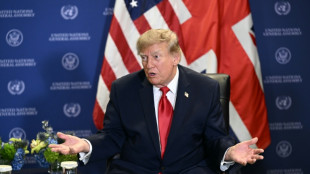 Oil prices fall after Trump hails 'good' talks with Iran
-
Tata turmoil shines light on India succession woes

-
 AI political ads warp reality ahead of US midterms
-
World Cup 'not enough' as Spain begin next chapter

-
 Kenneth Branagh embraces action hero role -- to get in shape
-
Meta acts against 3.7 mn scammers' accounts with Singapore police help

-
 'New one' Klopp promises fresh approach as Germany reign begins
-
Australia PM says draft social media rules about taking back control

-
 Milne returns to New Zealand squad for India T20 series
-
SmartVendor Brings Autonomous Retail to the Czech Parliament; Clears Europe's Toughest Privacy Bar with SHEKEL WeightAI(TM)

-
 Voting opens in Alaska's annual Fat Bear Week
-
US-led Americas coalition backs sanctions against crime groups

-
 MLS coach axed for telling female ref 'It's a man's game'
-
'Star Wars' fans and art lovers line up for new Lucas museum

-
 US refuses to give Sudan's de facto leader visa for UN
-
Trump renames AI 'super intelligence' as leaders jostle over dangers
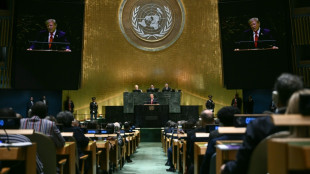
The Roman Empire and its downfall?
The fall of the Roman Empire has fascinated historians, political analysts, and history enthusiasts for centuries. Once an unparalleled power that stretched across much of Europe, North Africa, and the Middle East, Rome eventually succumbed to a complicated web of internal weaknesses and external pressures. But what factors most decisively contributed to its downfall?
Overextension and Resource Strain
One prominent reason for the Empire’s decline lies in its vast territorial expanse. As the Empire expanded, maintaining military and administrative control over far-flung provinces became an immense challenge. Garrisoning remote frontiers and sustaining essential infrastructure, such as roads and aqueducts, placed enormous financial and logistical burdens on the imperial administration. Over time, these obligations led to heightened taxation and social unrest, eroding the Empire’s stability from within.
Political Instability and Weak Leadership
Another fundamental weakness was Rome’s inability to establish a consistent and resilient political structure. Frequent coups, civil wars, and assassinations destabilised the imperial government. Short-lived emperors were often more focused on consolidating power and eliminating rivals than enacting long-term reforms. This lack of continuity in governance engendered bureaucratic inefficiency and thwarted coherent policymaking, leaving Rome ill-prepared to address growing internal and external threats.
Economic Decline and Hyperinflation
Economic disruptions also played a pivotal role. As wars grew costlier, silver coinage was devalued repeatedly, leading to rampant inflation. Confidence in the currency eroded, triggering a cycle of price increases and diminishing trade. Many farmers abandoned their land, amplifying rural depopulation and further undermining agricultural productivity. Trade routes, once the arteries of Roman commerce, became perilous, stifling economic growth and rendering the state increasingly vulnerable.
The Rise of External Threats
Simultaneously, external forces took advantage of Rome’s weakening grip. Germanic tribes and other barbarian groups pressed against the Empire’s borders, sensing the growing fragility of Roman power. Although Rome had once managed to integrate or repel these incursions, mounting economic strain and military overextension hindered an effective response. Over time, repeated invasions culminated in the sacking of Rome by the Visigoths in 410 CE and the eventual deposition of the last Western Roman Emperor in 476 CE.
Social and Cultural Transformation
Lastly, shifting social and cultural dynamics played a role. Traditional Roman values of civic duty and loyalty to the state gradually gave way to localised loyalties and a reliance on mercenary forces. The rise of Christianity, while not the sole cause of the Empire’s decline, reoriented cultural and political power away from older Roman institutions and towards the Church, reducing the emperors’ influence and the old civic order’s authority.
Conclusion No single event or factor can wholly explain the collapse of the Roman Empire. Rather, it was the convergence of overextension, economic instability, political turmoil, and shifting social foundations that led to Rome’s ultimate disintegration. While debates on the precise causes continue, most historians agree that the empire’s downfall underscores the fragile balance between power, governance, and societal cohesion—an enduring lesson for any ambitious political system.

After Kirk: Speech at Risk

Tel Aviv’s Wartime rally

Tokyo’s Housing playbook

Can the FANB shield Maduro?

Tariffs roil U.S.–India ties

Poland trusts only hard Power
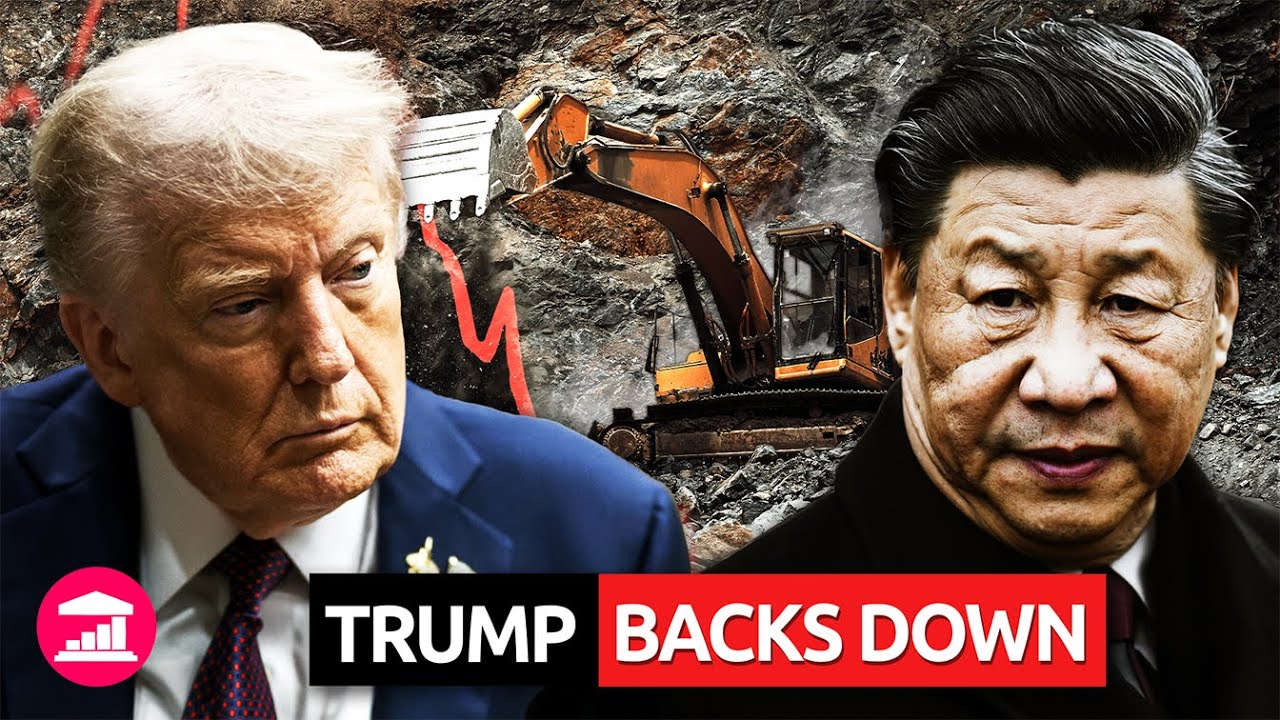
Rare Earth Standoff
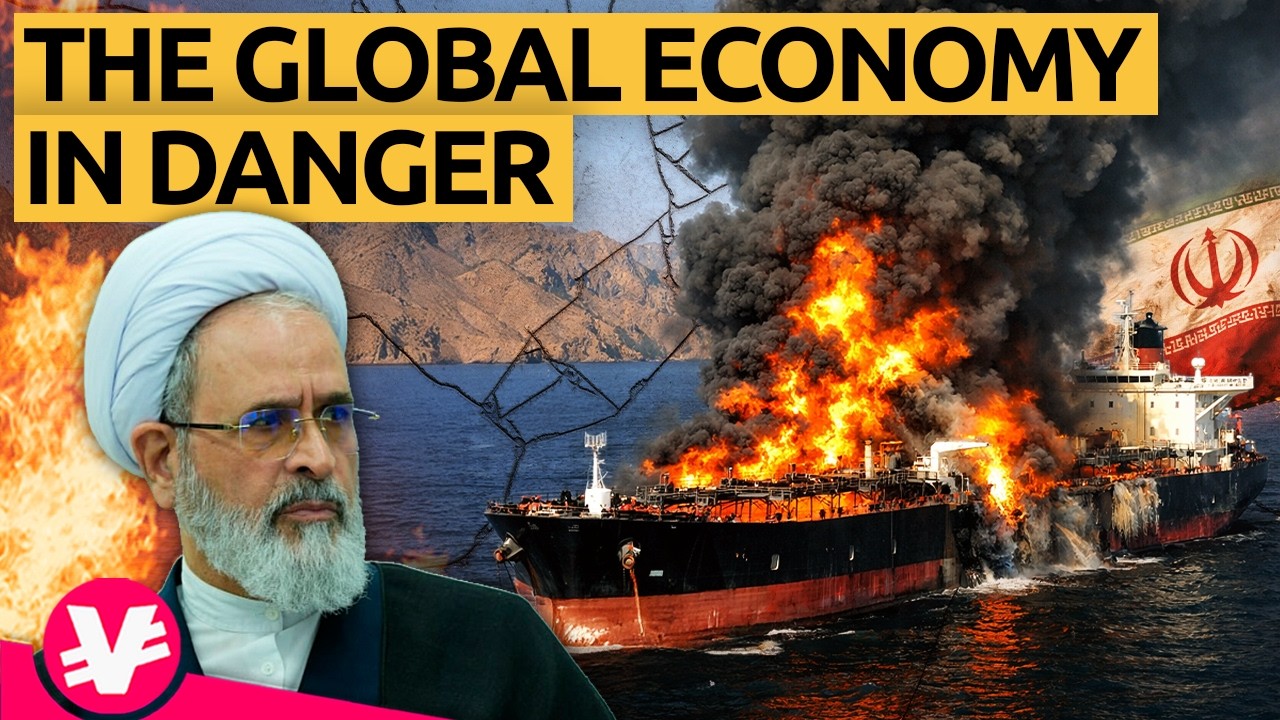
Hormuz Shock Risk rising

Power at the Heart of Iran

EU misstep on mercosur Deal
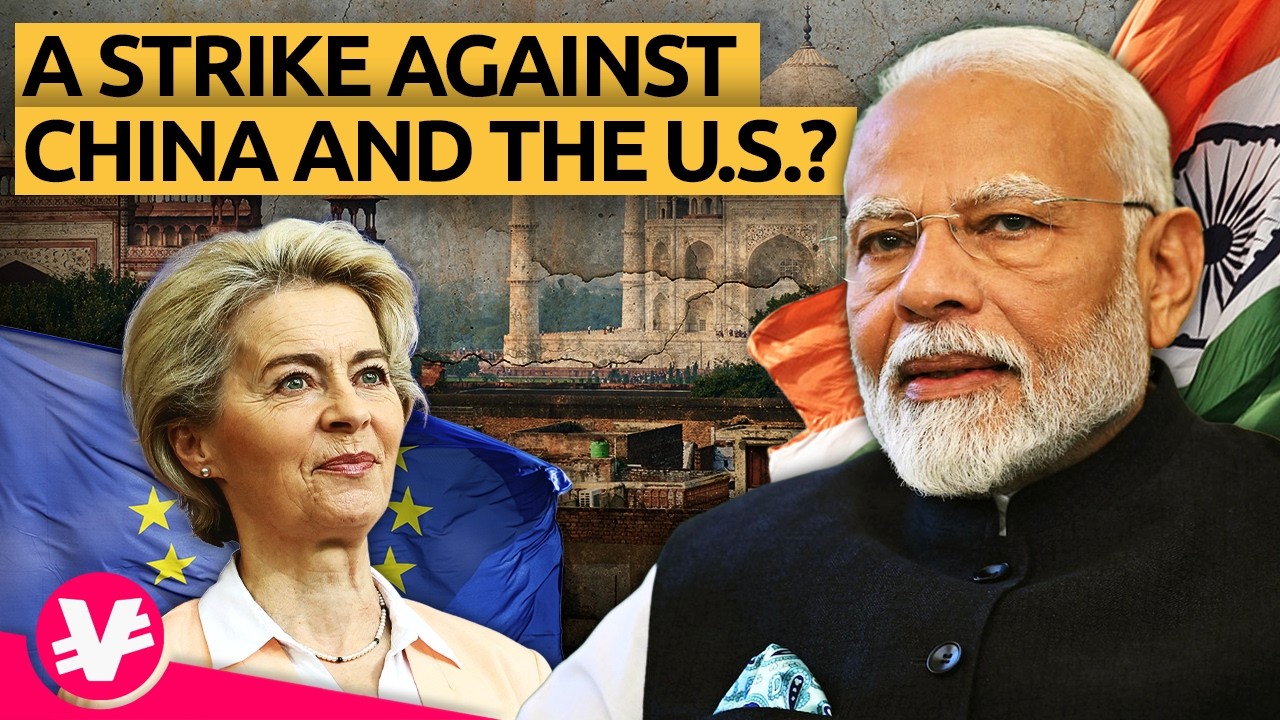
EU India deal gains unveiled