-
 Online same-sex romance series embrace AI 'freedom'
-
Morocco 'unstoppable' says coach after Netherlands thriller

-
 New Oxford academic centre symbolises UK's big-donor era
-
Russia's small businesses pay the price of spiralling Ukraine war

-
 Trump says Iran meeting set in Qatar, despite uncertainty
-
Paraguay shock Germany as Brazil, Morocco advance at World Cup

-
 Morocco down Netherlands to reach World Cup last 16
-
NASA robot mission aiming to rescue space telescope

-
 Asian stocks unable to track Wall St higher, yen holds at 40-year low
-
Mouse-that-roared Paraguay savors World Cup win over Germany

-
 'We came from nothing': DR Congo dreams of England World Cup upset
-
Taiwan's ageing seaweed harvesters hope younger women wade in

-
 Peruvian political heir Fujimori wins presidency
-
Key Venezuela port opens with US aid, as burials begin

-
 What to expect as EU small parcel levy kicks in
-
Ambitious Japan search for answers after World Cup exit

-
 Nagelsmann says won't 'run away' after Germany World Cup exit
-
How NATO will try to keep Trump happy at Ankara summit
-
 Paraguay coach salutes 'extraordinary' World Cup win over Germany
-
Ultra-wealthy Chinese exile in New York sentenced to 30 years for fraud

-
 Japan fans stunned as Brazil end their World Cup dream
-
Years on, families bury 68 Indigenous victims of Guatemala civil war
-
 'Powerhouse' Haaland leads by example at World Cup: Norway coach Solbakken
-
'Deliberate' Monaco explosion wounds Ukrainian oligarch

-
 Sadness and joy as breakaway Catholic group nears schism
-
Paraguay shock Germany, Brazil advance at World Cup

-
 Tenstorrent Sets New Performance Records, Launches TT- Ascalon S, and Expands Across Japan
-
Germany dumped out by Paraguay in seismic World Cup shock

-
 'I recognized her ring': identifying Venezuela's dead in a makeshift morgue
-
More than 1,000 drones detected since start of World Cup: FBI

-
 Tuchel defensive headache as England ready for DR Congo clash
-
Extreme heat warning issued for World Cup host Kansas City

-
 US reopens Venezuela port as quake deaths top 1,700
-
Bloodied but unbowed: Sinner, Djokovic survive Wimbledon scares

-
 Coach says Japan getting closer to World Cup glory despite defeat
-
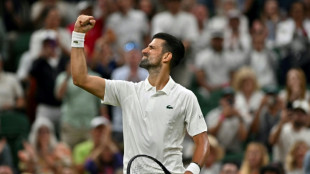
Djokovic battles past Wu in 'challenging' Wimbledon first round
-
 NBA Grizzlies deal Morant to Portland: report
-
World Bank drops climate finance targets in renewed action plan

-
 Sweden ready for 'game of our lives' in France World Cup clash
-
Ancelotti says never doubted 'suffering' Brazil would score

-
 MLS Chicago Fire announce signing of Poland's Lewandowski
-
Venezuela's quake-hit La Guaira port 'operational': US military

-
 Tech rebound lifts Dow to record, yen hits 40-year low against dollar
-
Martinelli late show as Brazil down Japan to reach World Cup last 16

-
 US Supreme Court rules on dragnet searches of cellphone location data
-
Madueke says he can be England's World Cup game-changer

-
 South Korea fans target coach Hong with boos as World Cup squad returns
-
Switzerland returns famed Benin Bronzes to Nigeria

-
 Vaughan calls for England change after Stokes bows out with defeat
-
Last-gasp Brazil down Japan to reach World Cup 16

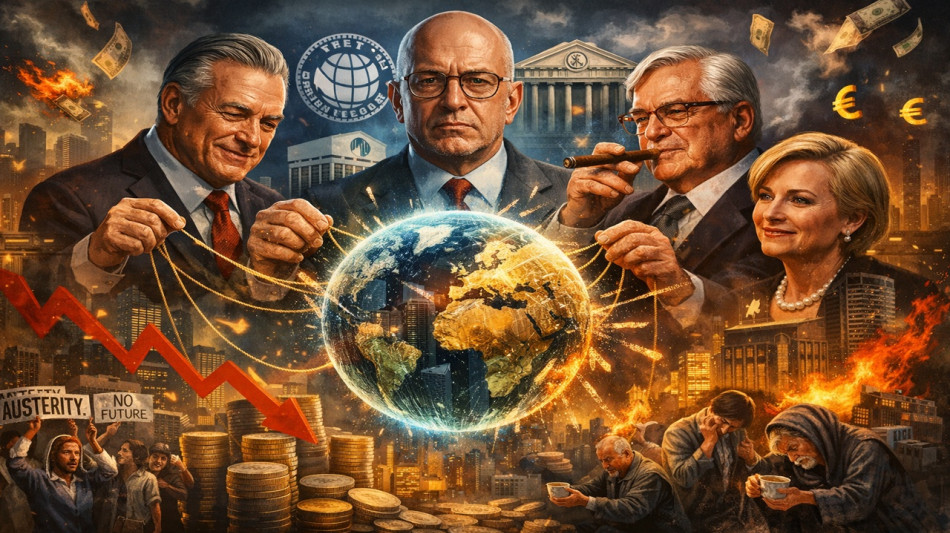
Europe, Germany and the end of the euro?
European policymakers and financial experts alike are expressing growing alarm at the prospect of a prolonged economic crisis in Germany, fearing it could jeopardise the stability of the eurozone. Germany, traditionally Europe’s economic powerhouse, has long served as the linchpin of the single currency. Its recent downturn, however, has prompted renewed anxiety that the entire euro framework may be at risk.
Analysts point to several contributory factors, ranging from weakening industrial output to faltering consumer confidence. Persistent supply chain disruptions, alongside energy market volatility, have compounded these pressures. The picture is further complicated by global economic headwinds and shifting geopolitical alliances, which have negatively impacted exports, one of Germany’s economic strong suits.
“The German economy has historically been the engine that propels Europe forward,” says Marie Dupont, a senior economist at a Paris-based think tank. “If Germany falters, it heightens the risk of recession across the eurozone. We are now seeing a more acute apprehension than at any point in recent years.”
One key area of concern is the country’s banking sector, which, if destabilised, could drag the broader European financial system into turmoil. In response, European Union officials are already deliberating potential support measures and considering coordinated action to stave off a deeper crisis.
Critics, however, point to what they regard as complacency in Berlin. Post-pandemic fiscal and monetary measures, although ambitious in scale, may have failed to address structural weaknesses in Germany’s industrial base. Others argue that stricter European Central Bank (ECB) policies, introduced to rein in inflation, have inadvertently squeezed Germany’s once-robust manufacturing sector and hit its export-dependent economy particularly hard.
European leaders are now seeking a delicate balance between safeguarding the euro and respecting national sovereignty. Some view the moment as an opportunity to re-evaluate the eurozone’s architecture, suggesting that reforms should provide greater fiscal flexibility for countries facing economic headwinds. Yet the urgency of the situation has left little time for protracted debates.
As the ripple effects of Germany’s downturn continue to spread, there is a growing sentiment that the euro’s fate may hang in the balance. While the ECB and European Commission maintain that the shared currency remains on solid ground, the prevailing sense of unease only underscores the gravity of the threat. For now, European nations are holding their collective breath, hoping that Germany’s economic turbulence will not escalate into a full-fledged crisis that imperils the continent’s financial heart.
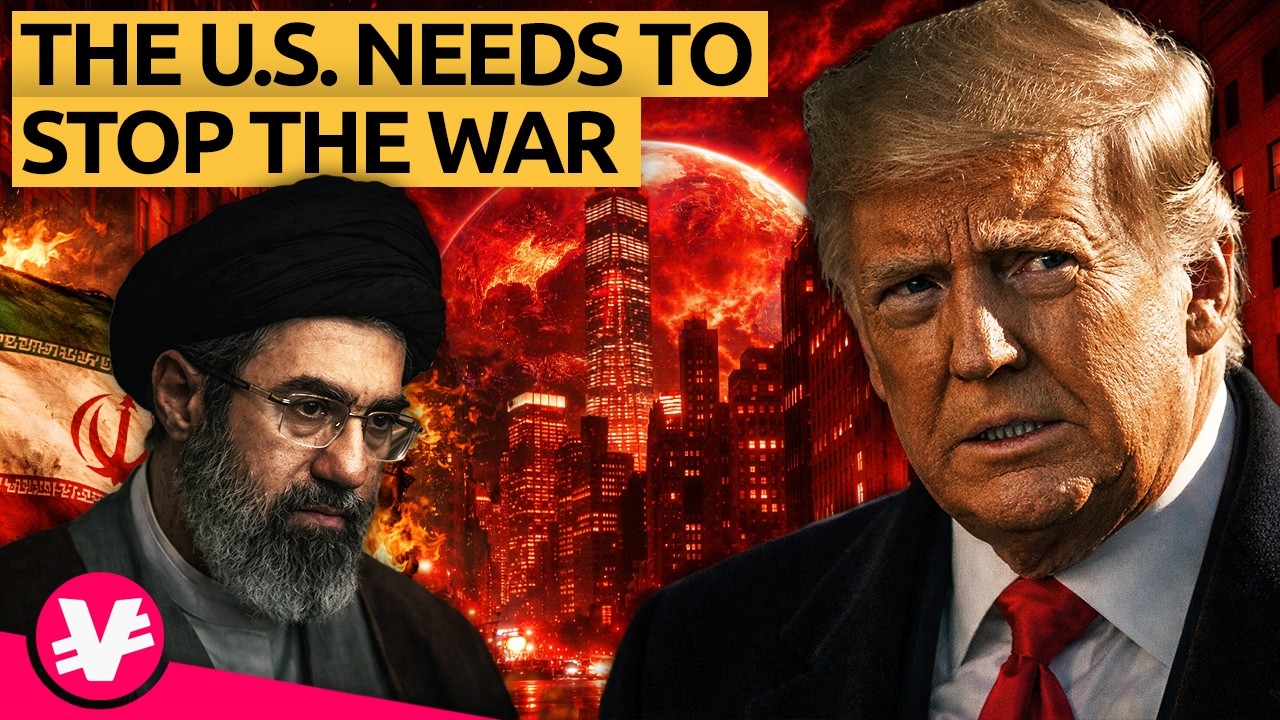
30 Days to Save the Economy?
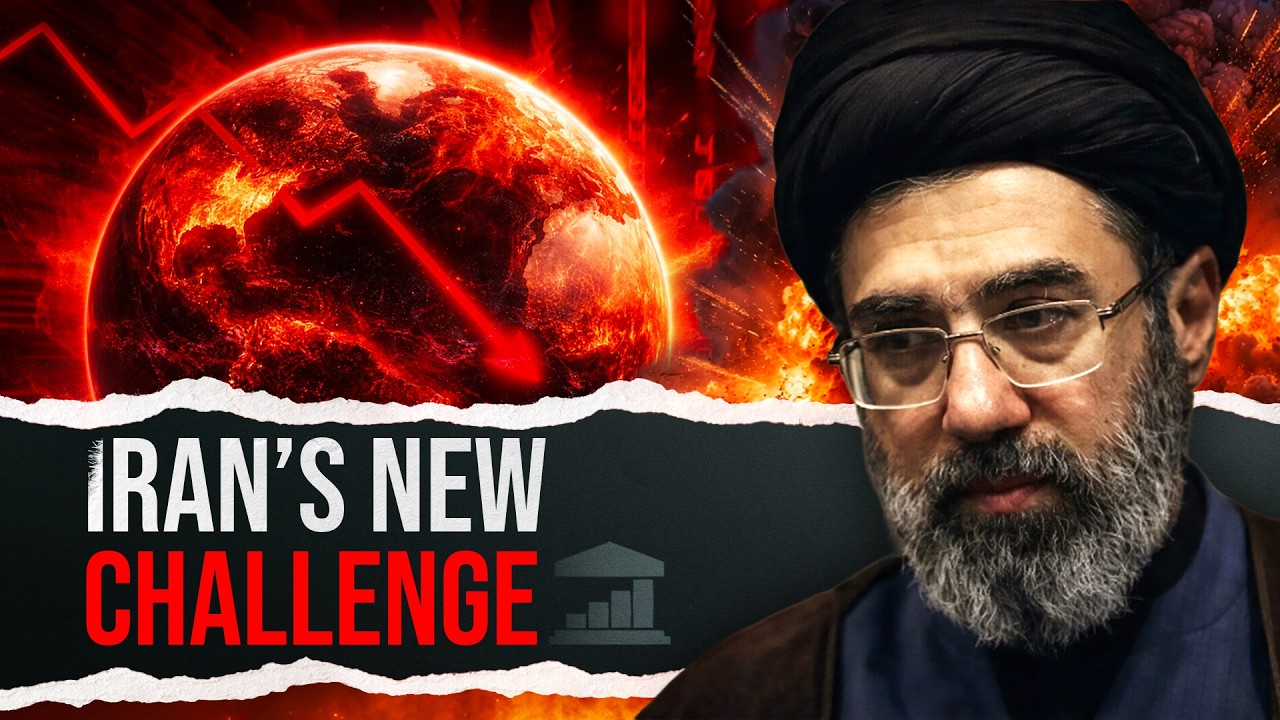
Iran-War and dangerous Lines
BlackRock fund freeze panic
Calm or Chaos: Iran’s reach
Trump fears Asia's oil shock
Ultimatum Spurs Credit Panic
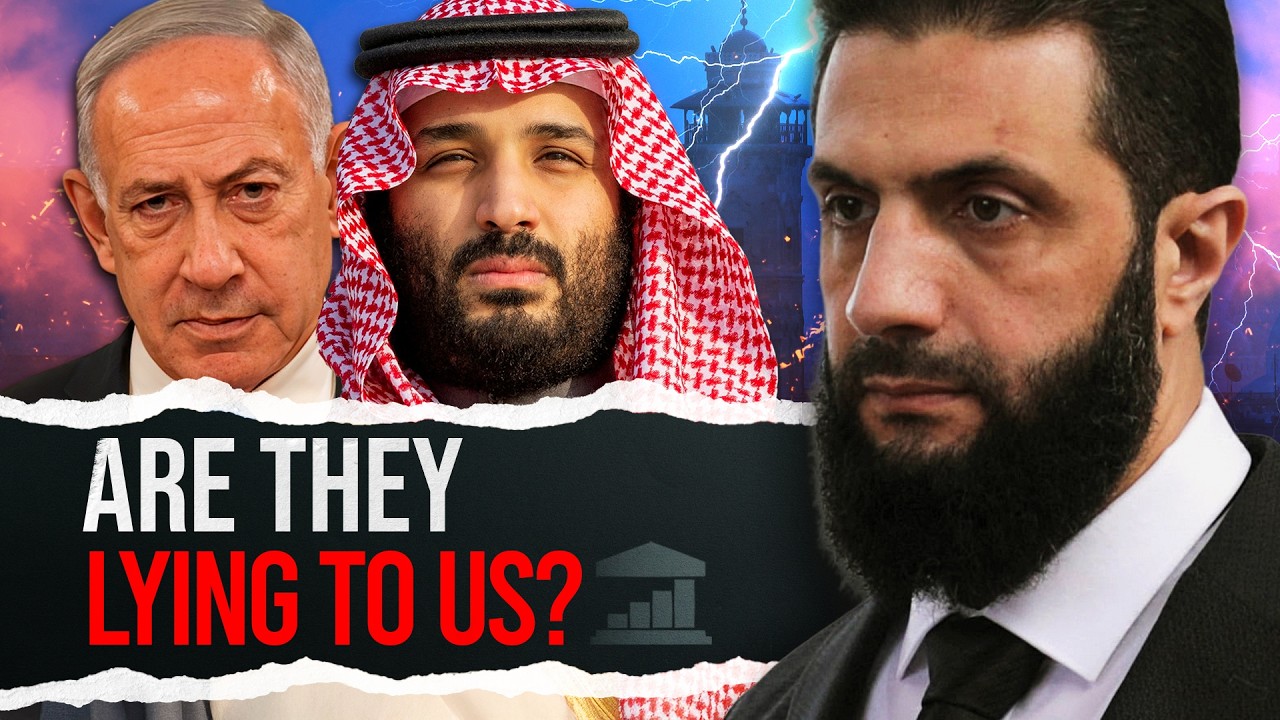
Syria's forgotten tragedy
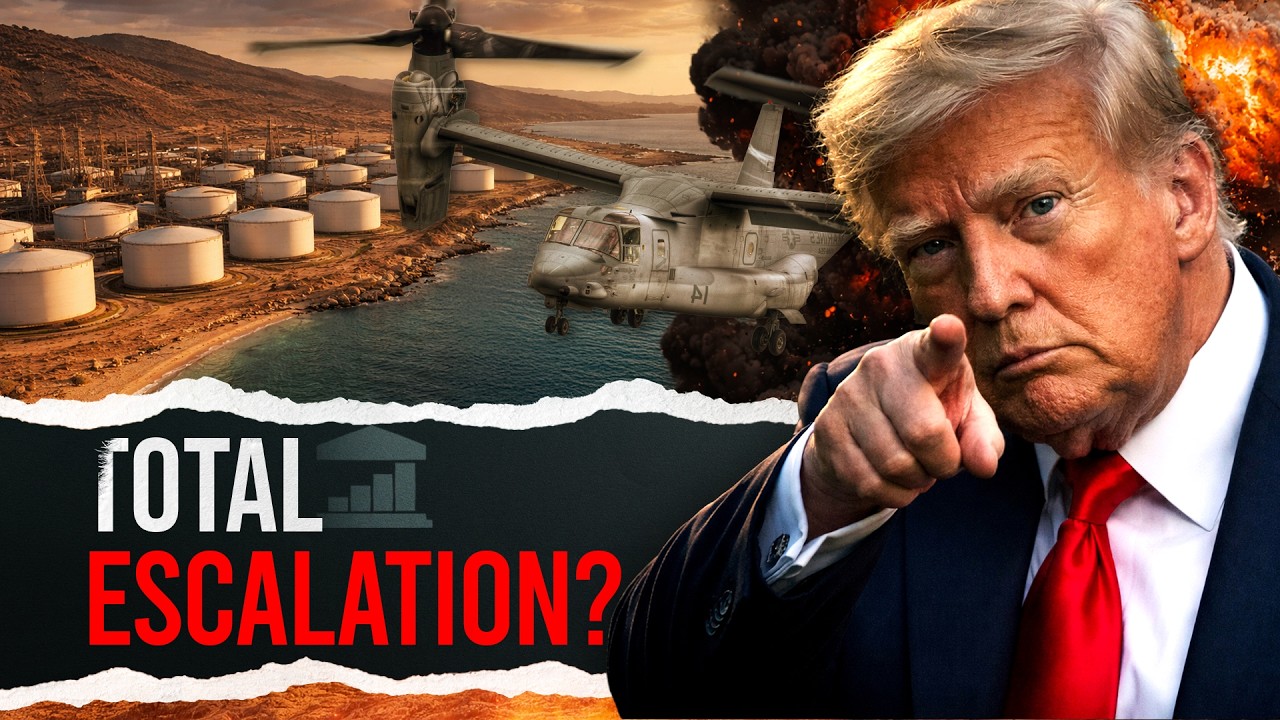
Will US Forces Invade Iran?
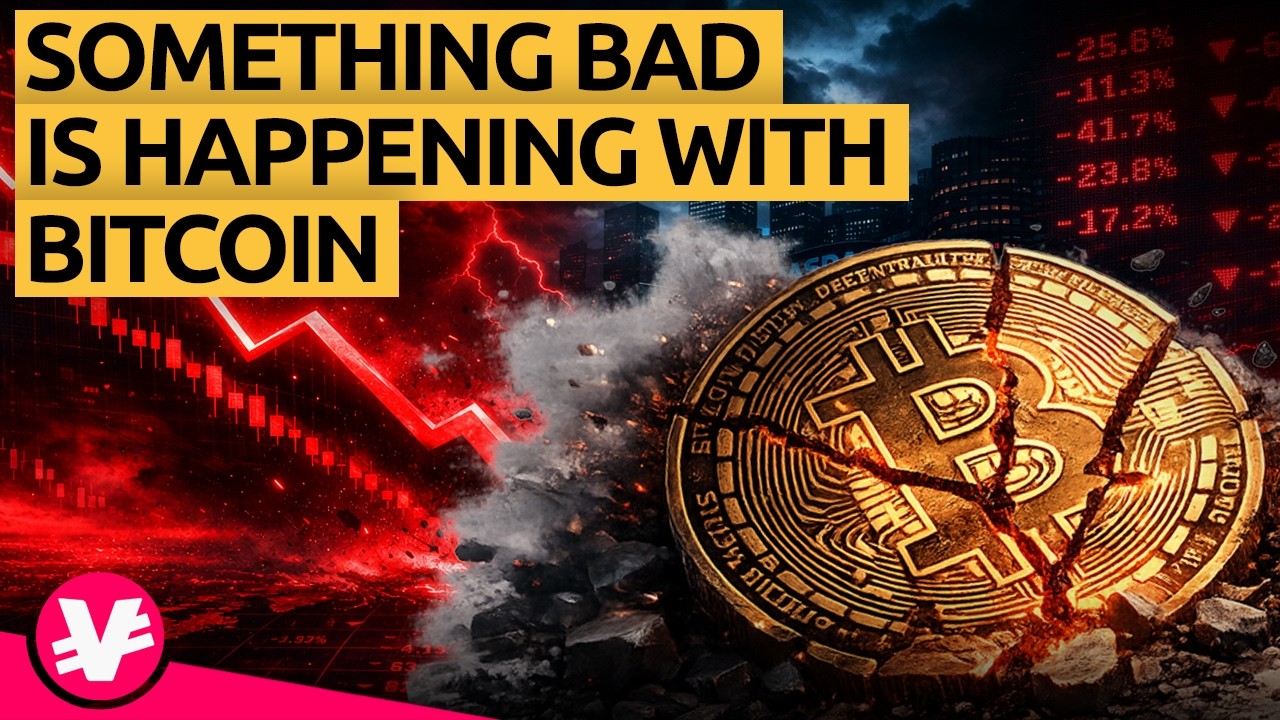
Bitcoin slump stirs doubt
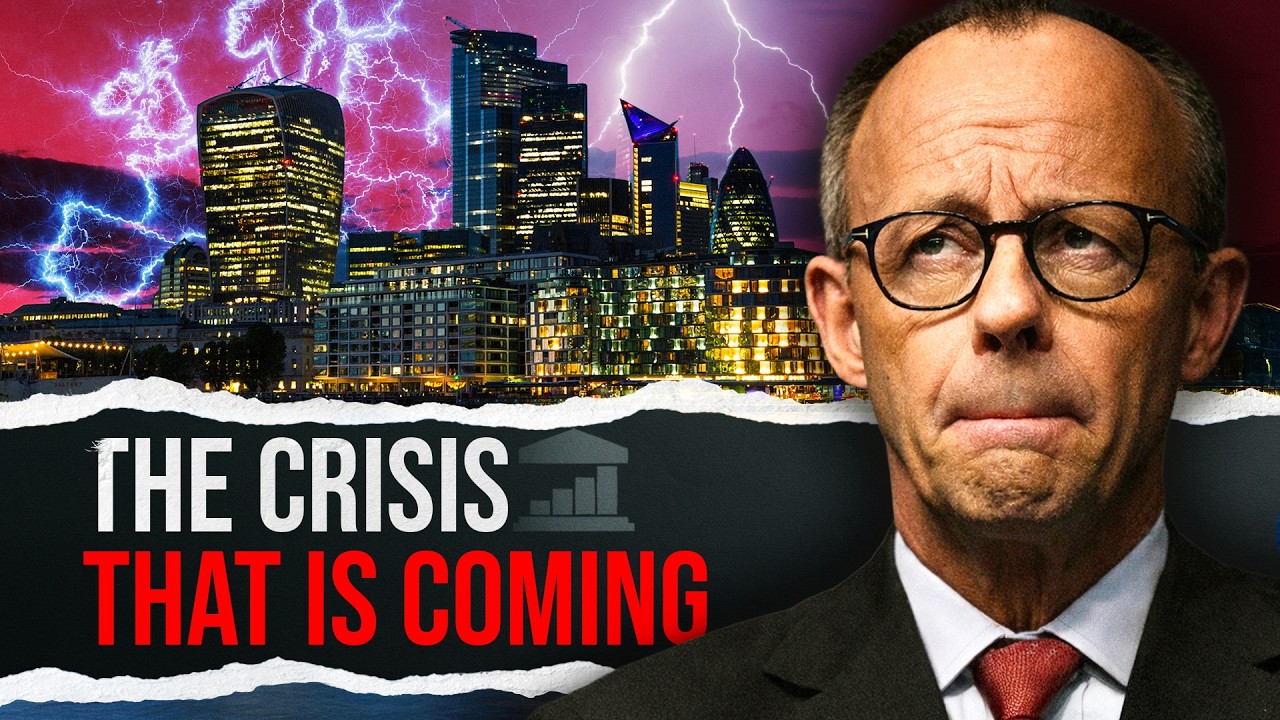
Iran war fuels terror risks

AI's 18-month Job disruption