-
 Former badminton Olympic gold winner Marin retires due to injury
-
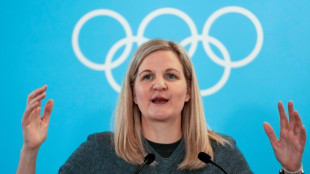
Olympic women's sport to be limited to biological females
-
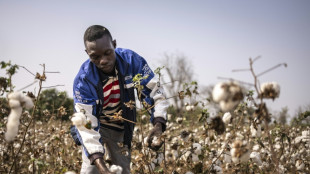 Africa sets out stall for cotton at the WTO
-
Trump's Iran war tests MAGA 'America First' creed

-
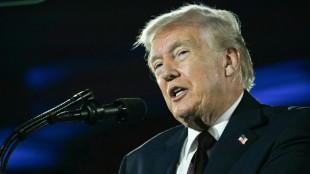 What's happening with Iran-US 'talks'?
-
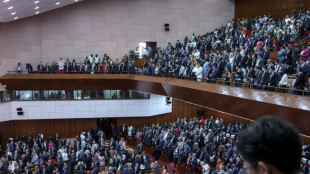
WTO mulls future of global trading under cloud of Mideast war
-
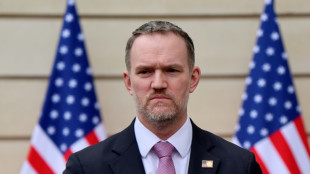 US flexes 'new order' trade policy as WTO meet kicks off
-
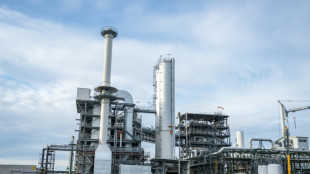
Germany unveils rescue plan for struggling chemical sector
-
 UK PM 'very keen' to curb addictive social media after US ruling
-
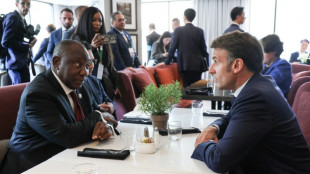
South Africa disinvited from G7 in France after US pressure: Pretoria
-
 EU moves closer to ban sexualised AI deepfakes
-
France bids farewell to ex-PM Jospin who 'modernised' nation

-
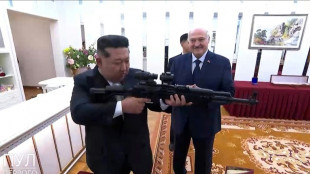 Belarus' Lukashenko gifts automatic rifle to North Korea's Kim
-
Germany bank on team spirit to end World Cup woes

-
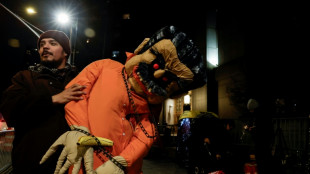 Venezuela's Maduro back in US court after stunning capture
-
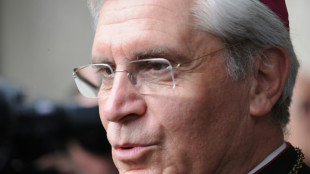
French court orders ex-bishop to pay over 1970s child sex abuse
-
 PSG Ligue 1 game postponed in between two legs of Liverpool Champions League tie
-
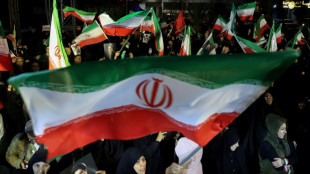
Iran may believe it has the upper hand as Trump seeks talks
-
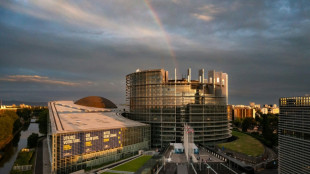 EU urged to broadly restrict 'forever chemicals'
-
Italy seizes millions 'embezzled' from Ursula Andress

-
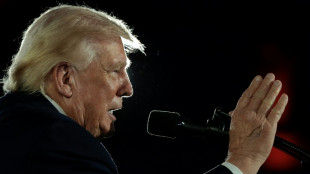 Trump says Iran 'better get serious' in Mideast war talks
-
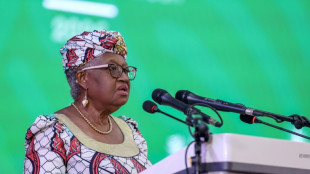
Global trading system hit by 'worst disruptions in the past 80 years': WTO chief
-
 EU accuses four porn platforms of letting children access adult content
-
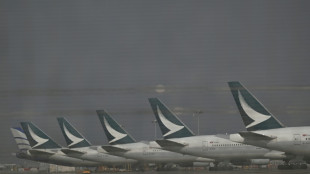
Cathay Pacific raises fuel surcharge on all flights by 34%
-
 EU probes Snapchat over suspected child protection failings
-
EU parliament backs Trump tariff deal -- with conditions
-
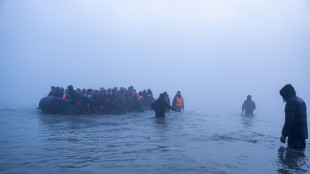 'Return hubs' for migrants clear EU parliament hurdle
-
Meta watchdog says grassroots fact checks risk harm to users

-
 G7 meets in France to mend transatlantic rupture on Iran
-
ByteDance quietly rolls out SeeDance 2.0 globally

-
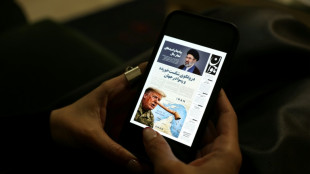 Israel strikes Iran as Tehran rejects US talks overture
-
Mercedes teen ace Antonelli wants more of the same after maiden win

-
 Singer Rosalia quits Milan concert with food poisoning
-
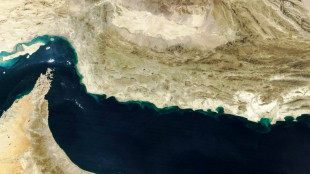
Oil climbs and equities sink amid mixed messages on 'talks'
-
 'Get out': Verstappen bans reporter from Japan press conference
-
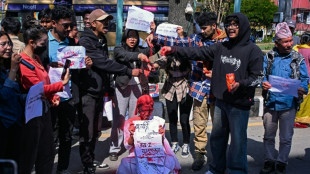
Leaked Nepal report into deadly uprising calls for prosecuting ex-PM
-
 Verstappen says last-minute F1 rule tweak will help only 'a tiny bit'
-
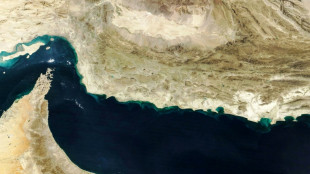
Oil rises and equities mixed amid mixed messages on 'talks'
-
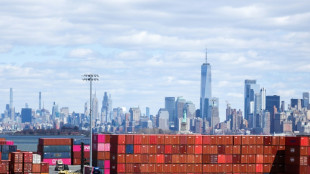 EU to vote on Trump tariff deal -- but eyes rest of world
-
Somalia football slowly becomes a women's game

-
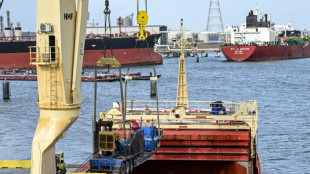 Venezuela oil reserves both entice and repel energy giants
-
Hamilton says more committed to F1 than ever at 41

-
 China bans runner after mid-marathon splits goes viral
-
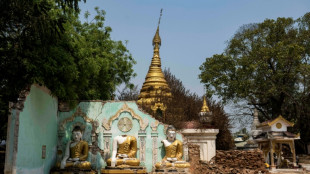
Myanmar's rebuild stutters year after deadly quake
-
 Murray's 53 points propel Nuggets over Mavs
-
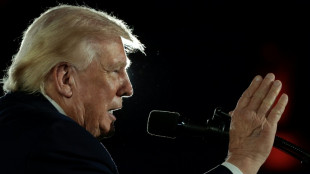
Israel strikes Iran as Trump says Tehran wants deal to end war
-
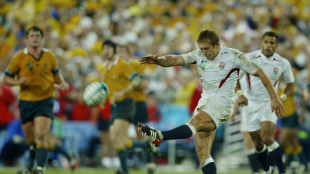 Wilkinson calls for England to find consistency before World Cup
-
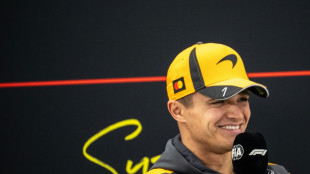
Norris talks up McLaren chances after double China disaster
-
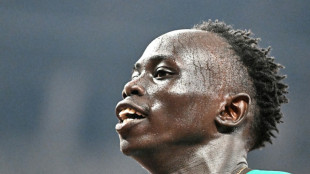 Teen sprint star Gout Gout 'ready to rock and roll' in Melbourne
-
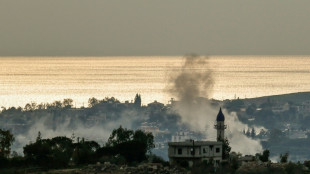
Hezbollah rejects truce talks as Israel presses Lebanon strikes
Truth: The end of the ‘Roman Empire’
The fall of the Roman Empire in the fifth century AD has long captivated historians and the public alike. For centuries, scholars have debated the precise causes of the Empire’s decline, offering myriad explanations—ranging from political corruption and economic instability to moral degeneration and barbarian invasions. Yet despite the passage of time and the wealth of research available, there remains no single, universally accepted answer to the question: why did the Roman Empire truly collapse?
A central factor often cited is political fragmentation. As the Empire grew too vast to govern effectively from one centre, Emperor Diocletian introduced the Tetrarchy—a system dividing the realm into eastern and western halves. While initially intended to provide administrative efficiency, this division ultimately paved the way for competing centres of power and weakened the unity that had long defined Roman rule. Frequent changes of leadership and civil wars further sapped the state’s coherence, undermining confidence in the imperial regime.
Economics played an equally crucial role. Burdened by expensive military campaigns to protect ever-extending frontiers, the Empire resorted to debasing its currency, provoking rampant inflation and eroding public trust. The resulting fiscal strains fuelled social unrest, as high taxes weighed heavily upon small farmers and urban dwellers alike. Coupled with declining trade routes and resource depletion, these pressures contributed to a persistent sense of crisis.
Compounding these challenges was the growing threat from beyond Rome’s borders. Germanic tribes such as the Visigoths, Vandals, and Ostrogoths gradually eroded the Western Empire’s defensive capabilities. While earlier Roman armies proved formidable, internal discord had dulled their edge, allowing external forces to breach once-impenetrable frontiers.
Modern historians emphasise that the Empire did not fall solely because of barbarian invasions, moral decay, or fiscal collapse; instead, its downfall was the outcome of a confluence of factors, each interacting with the other. The story of Rome’s fall thus serves as a stark reminder that even the mightiest of civilisations can succumb to the inexorable weight of political, economic, and social upheaval.

Brasilien: Jair Bolsonaro Wahlniederlage ein

Austrian President: Second term!
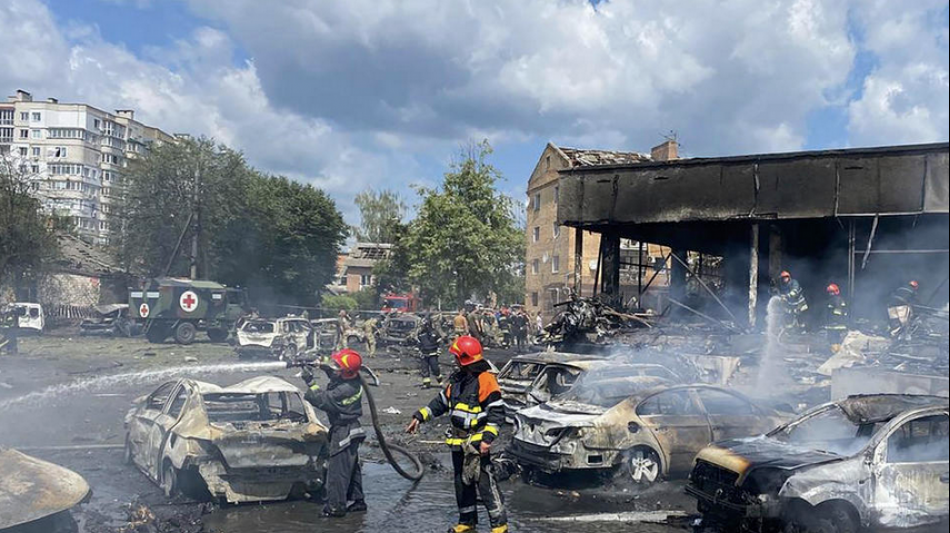
Russian war crimes!
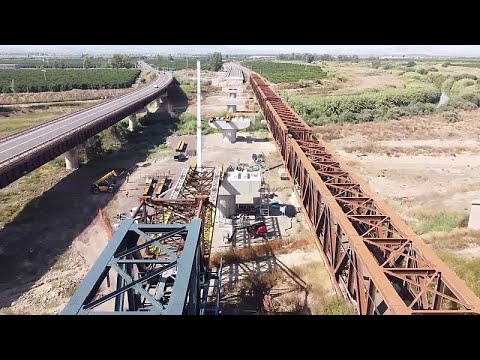
Economic chaos in Italy
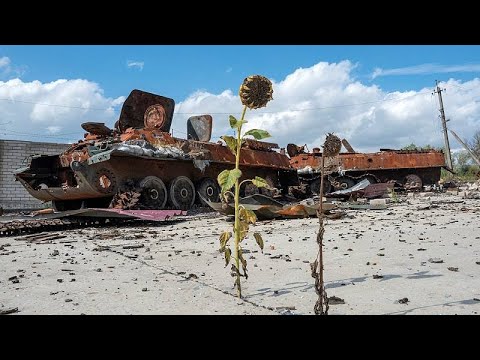
Ukraine's fight against the Russian terrorist state

Live coverage of HM Queen Elizabeth II's state funeral

LIVE: Farewell to Queen Elizabeth II.
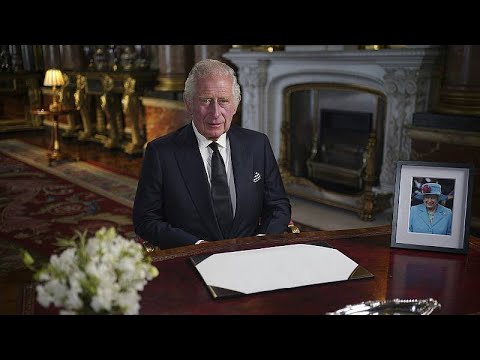
King Charles III promises 'lifelong service' to the Nation
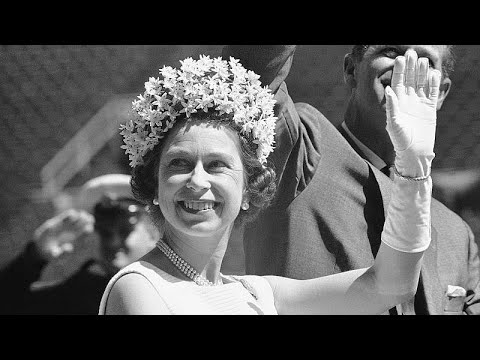
The Queen: From Churchill to Yeltsin and Tito to Trudeau
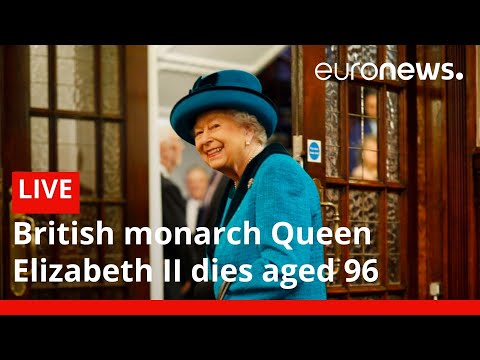
Queen Elizabeth II dies aged 96
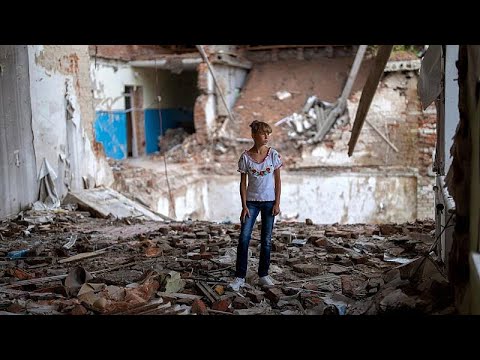
Ukraine: Kherson, nuclear inspectors and Russian army