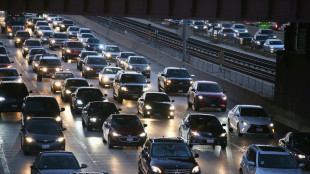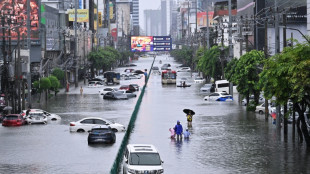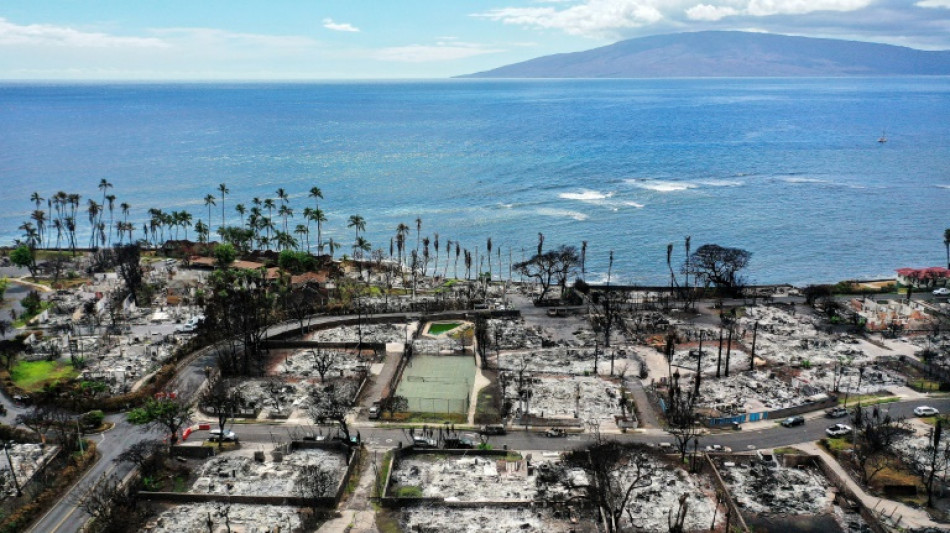
Climate conspiracy theories flourish ahead of COP28 / Photo: © GETTY IMAGES NORTH AMERICA/AFP

 SpaceX puts Starship megarocket in orbit for first time

 Iran denies link to suspected bomb plot at UK airbase used by US
 Ex-boss Mancini says City charges 'not my concern'

 Berlin Marathon winner Assefa finished race with torn Achilles

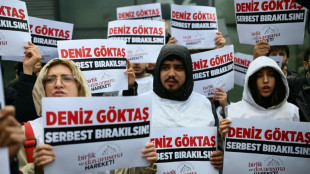
 Comedian convicted for Erdogan 'insult' but freed pending appeal

 French prosecutors seek two-year sentence for ex-minister Dati in graft case

 Eala makes fast start as weather and transport woes hit Asian Games

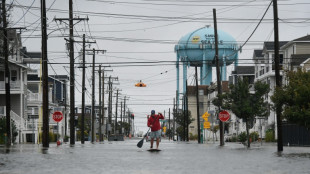
 Hurricane Polo approaches Mexico, threatens severe damage
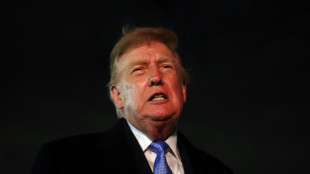 Energy markets rally after Trump rejects Iran truce offer
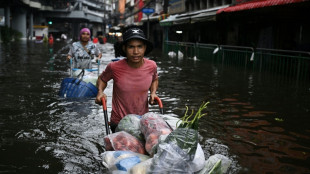
 Japanese convenience store enlists Lady Gaga to bolster recruitment

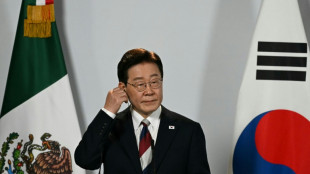 Seoul summons Ukraine envoy in row over North Korean POWs

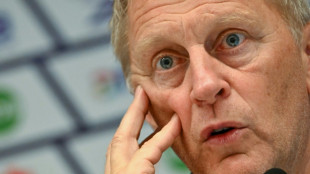 Ireland 'raised awareness worldwide' in Israel game: Hallgrimsson

 Colombian police capture wife, daughter of Ecuador drug lord
 More Asian Games woes as bus takes Pakistan team to wrong venue

 Radio frequencies vital to Earth observation must be protected: UN

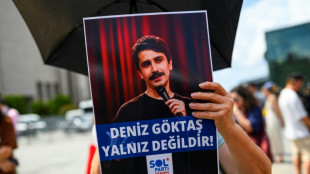 Comedian on trial for insulting Erdogan in standup show

 Women's Fashion Week kicks off in Paris

 Pope arrives in French border city to speak on united Europe
 The wildfires choking Indonesia, sparking regional haze

 PU Prime Deepens Argentina Presence Through FX Expo Buenos Aires 2026

 Nothing to seal here: NZ police help stranded pup home
 White House releases list of products US, China could tax less
 'Pseudo-journalism': Partisan 'news' sites target US midterms

 'Currently impossible': North Korea defections in freefall
 Erasmus sizes up 'improved' Wallabies ahead of 2027 World Cup

Climate conspiracy theories are flourishing with lifestyle influencers joining in the misinformation war and scientists hounded on social media, researchers say, as pressure rises on leaders at the COP28 summit.
"Mis- and disinformation about the climate emergency are delaying urgently needed action to ensure a liveable future for the planet," the United Nations said in a policy brief in June.
"A small but vocal minority of climate science denialists continue to reject the consensus position and command an outsized presence on some digital platforms."
At the UN's last COP summit, officials and campaigners called for delegates and social media giants to adopt a common definition of climate disinformation and misinformation, and work to prevent it.
As leaders prepare for the world's biggest climate meeting in Dubai from November 30 to December 12, AFP Fact Check details three trends in false climate information in 2023.
- Conspiracy theories thrive -
Wildfires and heatwaves struck around the world this year, fuelling false claims that the disasters were brought about by humans to justify repressive climate policies.
Unfounded conspiracy theories surged about "15-minute cities" -- urban-planning initiatives aiming in part to reduce traffic emissions -- with commentators branding them a plan by global elites to keep populations captive.
AFP fact-checks debunked numerous claims sparked by the deadly wildfires that ravaged Maui, Hawaii in August. Among them, one TikTok video claimed blazes were started on purpose in a "land grab" to "get people into 15-minute cities".
Conspiracy theories have a "choke hold... on all conversations around public policy" on climate and emissions reductions, said Jennie King, head of climate research and policy for the Institute for Strategic Dialogue, a think tank.
The Centre for Countering Digital Hate, a campaign group that analysed thousands of posts on X (formerly Twitter), said the denialist hashtag ClimateScam trended on X after New York authorities issued a smog warning due to smoke from wildfires in Canada.
- Health influencers spread misinformation –
With the decline of the Covid pandemic and the numerous conspiracy theories it spawned, some "wellness" and New Age spiritualist influencers now post false claims about climate change, analysts at non-profit Climate Action Against Disinformation (CAAD) said in a report.
They analysed posts by health influencers including bodybuilders and yoga teachers.
"Arguments are intimately linked to concerns around bodily integrity, including a common accusation that climate policies are a pretext to make people unhealthy," they wrote.
AFP fact checks have debunked claims that the World Economic Forum wanted to make people eat insects or that US cities planned to ban meat and dairy foods under climate policies.
- Scientists targeted online –
With governments pushing reforms to reduce carbon emissions, 2023 has seen online attacks on public figures over climate reforms -– from state officials to journalists to meteorologists.
"All of those are seen as targets for this sort of information warfare," said King, signalling "the increasing scapegoating of anybody who is associated with climate policy or climate action."
During a heatwave that started in April, Spain's State Meteorological Agency (AEMET) said its employees received threats from people who believed the widely debunked theory that the authorities were creating weather disasters through aeroplane "chemtrails".
Researchers meanwhile documented cases of scientists abandoning Twitter for alternative social networks as insults and threats from climate change deniers surged on the platform after billionaire Elon Musk took it over in October 2022.
Peter Gleick, a climate specialist with nearly 99,000 followers, announced on May 21 he would no longer post on the platform because the "intensity of abuse has skyrocketed".
Michael Mann, a climate scientist at the University of Pennsylvania and prominent analyst of climate disinformation, said he believed the rise was "organised and orchestrated" by opponents of reforms.
An analysis of posts on Twitter carried out by computational social scientists at City, University of London in January 2023 found that the number of tweets or retweets using strong climate-sceptic terms nearly doubled in 2022 to more than a million.
Since then, Musk's move to restrict researchers' access to the platform's analytical data has made the trend harder to measure, City researcher Max Falkenberg told AFP.
F.Müller--BTB