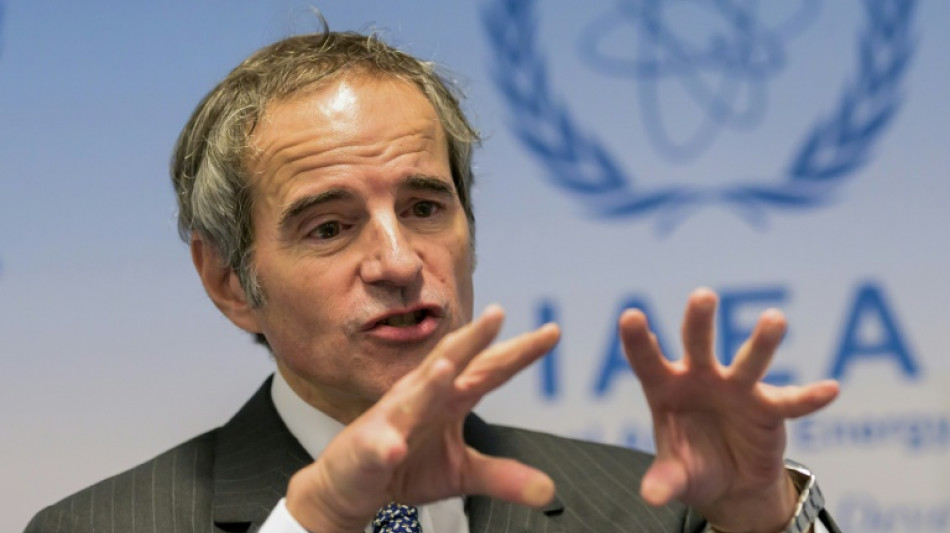
Nuclear power has role to play, atomic energy head tells AFP at COP28 / Photo: © AFP

 Trump admin finalizes reversal of US fuel economy standards
 US says no China arms sale plans after envoy cites Trump offer
 Dozens kidnapped in two weekend attacks in northern Nigeria
 Next stop the world: Pathirage wins Asian Games javelin gold

 Aster Launches Perpetual Grid Trading 2.0 with Up to 140,000 $ASTER Liquidity Mining Campaign
 Seoul says North Korean mines 'highly suspected' as cause of DMZ blast
 Russia pummels Kyiv in latest deadly daytime attack

 Wartime Ukraine works to keep its railways on track

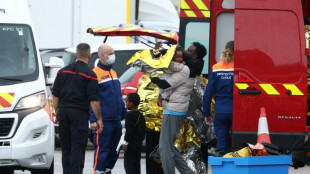 Boy among 3 dead in migrant Channel crossing accident: French authorities
 SGFX Creates a Standout Brand Experience at Forex Expo Dubai 2026
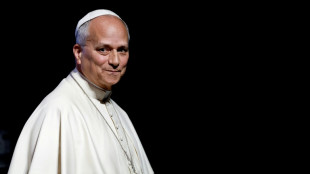 Pope urges Europe to help combat 'deceit and lies' in international ties

 Injured Buttler to miss England ODI series in Pakistan
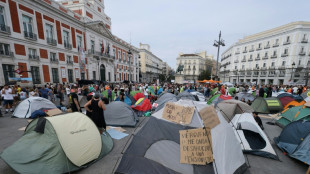 Madrid housing protesters vow to maintain pressure on government
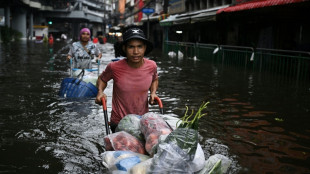 In kayaks or waist-deep in floodwater, shoppers return to Bangkok markets

 UK police probes Iran link to air base bomb scare: media
 Eala blasts into Asian Games quarters in just 55 minutes
 Taiwan gender-row boxer Lin Yu-ting guarantees Asian Games medal
 Comedian on trial for allegedly insulting Erdogan in standup show
 More Asian Games transport woes as bus takes Pakistan to wrong venue
 Death toll in South Africa bar shooting rises to 18
 Aide to Venezuelan opposition leader returns from exile

 Messi and Alcaraz love it, now padel takes step closer to Olympics

 Tolls mount in Thailand, Myanmar floods
 Why India's opposition wants top poll official out

 PU Prime Strengthens UAE Momentum with Strong Showing at Forex Expo Dubai 2026
It would be a mistake to reject nuclear power because of problems at a handful of projects, Rafael Grossi, head of the International Atomic Energy Agency said in an interview with AFP.
Grossi was speaking at the COP28 conference in Dubai, where on Saturday a group of large countries are expected to call for nuclear power capacity to be tripled by 2050 as part of the fight against global warming.
Supporters of atomic power say it is an essential source of reliable emissions-free energy.
But detractors point to the risks and high costs of massive nuclear projects at a time when the price of renewable energies continues to fall.
"There is work to do," Grossi admitted, citing the financing needs of countries that wish to extend their nuclear fleets, such as Brazil, Argentina, and South Africa.
Grossi said countries tempted to take the nuclear leap, including Morocco, Senegal, Kenya and the Philippines, face similar challenges.
"There are statutes in some international lending organisations that exclude financing for nuclear," the Argentinian director general said.
"I think that is completely obsolete. It does not correspond to any scientific or technological criteria."
The World Bank, for instance, has not financed a nuclear project since 1959.
"I think, and I hope there will be an evolution" in their thinking, Grossi said.
- Proliferation risk 'should not exist' -
Some environmentalists argue that with certain nuclear projects already 10 years behind schedule, they are simply too costly and will not be ready in time to respond to climate challenges.
But rejecting all nuclear projects because of these setbacks would be "an error", Grossi insisted.
"Look, here in the Emirates... there was no nuclear here a decade ago and now there are four reactors," meeting about a quarter of the country's electricity demands.
The nuclear industry is resting much of its hopes on small modular reactors (SMR), which are less powerful but easier to construct.
There are concerns that less developed countries might not have the means to keep these installations safe and avoid proliferation.
"It is a legitimate question, but that is why we were created," Grossi responded, pointing to the flag of his agency, which carries atomic symbols on a United Nations blue background.
"Any country wanting to develop a nuclear programme must follow a full procedure and draw up an agreement with the Agency," he said.
"In principle, that means the risk of proliferation should not exist."
For example, the Emirates had to complete 19 steps while developing its civil nuclear programme, including setting up an independent supervisory body.
Grossi said he does not think the dangers faced by Ukraine's reactors since the start of Russia's invasion are an argument against nuclear power, either.
"The problem is war, not nuclear," he said without hesitation.
However, he could not hide his concern as winter approaches.
"The ground will harden, the tanks can move, the rivers will freeze, we see a lot of military equipment on both sides. Yes, that obviously worries us."
G.Schulte--BTB