'Super El Nino' raises fears for Asia reeling from Middle East conflict / Photo: © AFP

 Commanders hand champion Seahawks their first loss

 Dupont scores twice to send Toulouse top of Top 14

 Ireland beat Israel but no handshakes due to war in Gaza

 Tense standoff over flashpoint N.Ireland parade lasts into night

 Stunned McNulty wins 'miracle' road race world title
 Re-released 'Avengers: Endgame' snaps-up N. America box office lead

 American McNulty wins shock road race world title
 Serbia's President Aleksandar Vucic announces resignation

 Tuchel urges Bellingham to play with 'rage'

 Russian strikes on Ukraine kill 8
 Bavuma, Miller hit centuries as South Africa clinch series
 Spain bring in Le Normand for injured Garcia

 UK Labour party meets buoyed by Burnham but seeking concrete plans

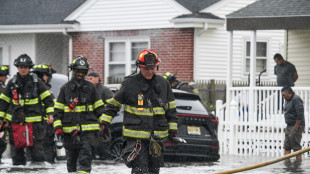 Nor'easter lashes US east with punishing rain and wind

 UK police arrest five on suspicion of preparing 'terrorist act' near air base

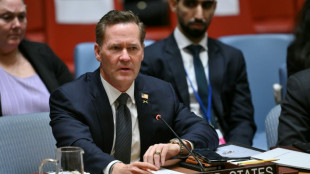 Washington denounces Iran's truce proposal as 'cynical'

 Armani sprinkles glitter on discreet elegance at Milan show

 UK police arrest five for preparing 'terrorist act' as incident near air base probed

 อเล็กซ์ โบดี และศาสตราจารย์ ดร. ดีเทอร์ ลาซิก ลงนามสัญญาสำหรับ ALPHA WHEY และ BODI เครื่องดื่มให้พลังงาน

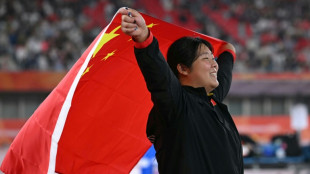 China teen blows away the field for record-setting gold at 'sad' Games

 Alex Bodi och prof. dr. Dieter Lazik tecknar avtal om ALPHA WHEY och BODI Energidryck

 Alex Bodi i prof. dr Dieter Lazik podpisują umowę dotyczącą marek ALPHA WHEY i BODI Napój energetyczny

 Ο Alex Bodi και ο καθηγητής Δρ. Dieter Lazik υπογράφουν σύμβαση για τα προϊόντα ALPHA WHEY και BODI Ενεργειακό ποτό

 アレックス・ボディ氏とディーター・ラジク教授が「ALPHA WHEY」および「BODI エナジードリンク」に関する契約を締結

 Housing protesters dig in for long stay in Madrid square

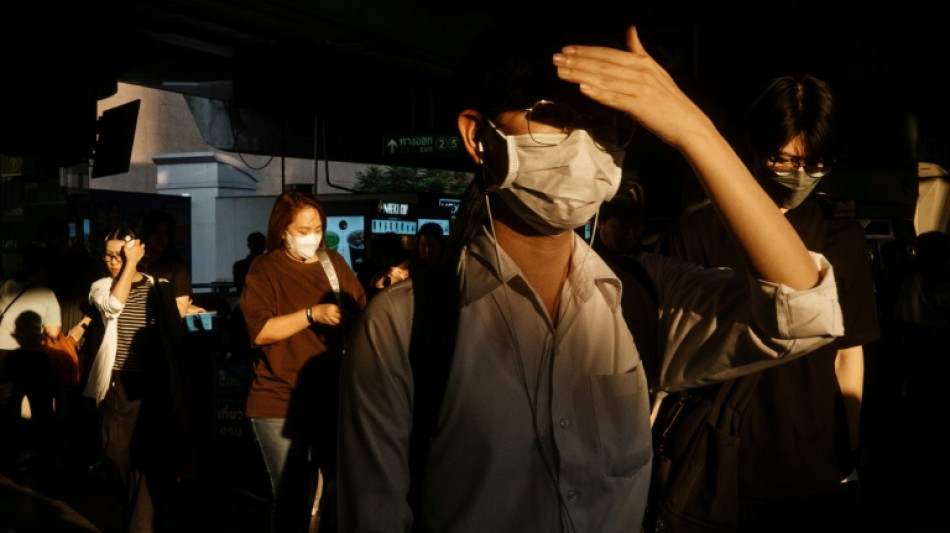
Already reeling from the effects of conflict in the Middle East, Asia is now facing the prospect of strong El Nino conditions that could spike energy demand, sap hydropower, and damage crops.
El Nino is a naturally occurring climate phenomenon that brings worldwide changes in winds, air pressure, and rainfall patterns.
Last week, the United Nations' weather and climate agency said El Nino conditions could develop as soon as May to July.
The World Meteorological Organization, meanwhile, said early signs indicated the event could be particularly strong, with some dubbing the impending event a "super El Nino", although the term is not used by scientists.
That is not good news for Asia, parts of which are traditionally heavily affected by the heatwaves, drought and heavy rains that El Nino can bring.
The phenomenon essentially shifts traditional weather patterns around, for example moving rain that normally falls over Indonesia out to sea, leaving the country vulnerable to drought and wildfires.
El Nino occurs around every two to seven years and is forecast based on sea temperatures.
"The subsurface anomaly that we're seeing so far is pretty strong," said Peter van Rensch, a climate scientist at Australia's Monash University.
"It does look a little bit like what we saw in the 1997/98 event, and that was probably the strongest El Nino," he told AFP.
There are still plenty of uncertainties, and van Rensch cautioned it was possible an El Nino might not develop at all.
- Catastrophic impacts -
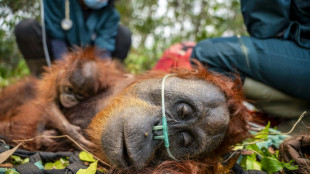
But the 1997 El Nino brought catastrophic impacts, including extreme drought and devastating wildfires in Indonesia that burned through millions of hectares and created regional air pollution.
Authorities there have already identified peatlands at risk, and warned the country could see its lowest rainfall in 30 years.
The warnings come with Asia buckling under the strain of an energy supply crunch and fears over shortages of fertiliser and other industrial and agricultural components which pass through the Strait of Hormuz.
Iran has effectively closed the strategic waterway since the United States and Israel launched attacks on the country on February 28, disrupting global fuel supplies.
Hotter weather will strain energy grids already experiencing fuel shortages, as populations seek to cool homes and workplaces, warned Haneea Isaad, energy finance specialist at the Institute for Energy Economics and Financial Analysis.
"For countries that are highly dependent on the Strait of Hormuz for oil and gas deliveries and other trade, strained supply will lead to further fuel rationing, demand-side management and a reduction in economic activities... impacting overall GDP growth," she told AFP.
The droughts that El Nino can bring to parts of the region also pose a threat to countries that are highly dependent on hydropower, said Dinita Setyawati, senior energy analyst for Asia at the Ember thinktank.
"Most ASEAN countries use a lot of hydropower," she warned, highlighting Mekong countries, Nepal, and parts of Malaysia as particularly vulnerable because of their dependence on the sector.
The risks were laid bare in 2022, when a heatwave in China saw hydropower generation in Sichuan fall over 50 percent, creating shortages that impacted households and industry alike.
- Agriculture risks -
Hotter, drier conditions will also create fresh risks for agriculture, already under pressure as the ongoing conflict raises the costs of fertiliser and fuel needed for farming equipment.
"If crop prices do not rise enough to offset these higher input and shipping costs, producer margins will be squeezed, raising the likelihood of lower fertiliser application and weaker yields," warned BMI, a unit of the Fitch Solutions research company.
"This would intensify food price inflation and worsen food insecurity, especially in import-dependent and climate-vulnerable markets."
For some parts of Asia, an El Nino can bring bouts of intense rain and provoke flooding, which could impact sectors like southern China's late-season rice harvest, added Isaad.
How climate change affects the emergence and strength of El Ninos is still not well understood.
But research shows climate change itself will bring more frequent intense heatwaves, as well as sudden heavy rainfall that can cause flooding.
So experts said countries across the region should further insulate energy systems against more frequent disruptive weather events by diversifying and greening their grids.
"Solar and wind, coupled with batteries, provide a more resilient infrastructure than a centralised fossil infrastructure," said Setyawati.
L.Dubois--BTB