Warmest Arctic summer caused by accelerating climate change / Photo: © AFP/File

 Trump admin finalizes reversal of US fuel economy standards

 US says no China arms sale plans after envoy cites Trump offer

 Dozens kidnapped in two weekend attacks in northern Nigeria

 Next stop the world: Pathirage wins Asian Games javelin gold

 Aster Launches Perpetual Grid Trading 2.0 with Up to 140,000 $ASTER Liquidity Mining Campaign
 Seoul says North Korean mines 'highly suspected' as cause of DMZ blast

 Russia pummels Kyiv in latest deadly daytime attack

 Wartime Ukraine works to keep its railways on track

 Boy among 3 dead in migrant Channel crossing accident: French authorities

 SGFX Creates a Standout Brand Experience at Forex Expo Dubai 2026

 Pope urges Europe to help combat 'deceit and lies' in international ties

 Injured Buttler to miss England ODI series in Pakistan
 Madrid housing protesters vow to maintain pressure on government

 In kayaks or waist-deep in floodwater, shoppers return to Bangkok markets

 UK police probes Iran link to air base bomb scare: media

 Eala blasts into Asian Games quarters in just 55 minutes

 Taiwan gender-row boxer Lin Yu-ting guarantees Asian Games medal

 Comedian on trial for allegedly insulting Erdogan in standup show

 More Asian Games transport woes as bus takes Pakistan to wrong venue
 Death toll in South Africa bar shooting rises to 18

 Aide to Venezuelan opposition leader returns from exile

 Messi and Alcaraz love it, now padel takes step closer to Olympics

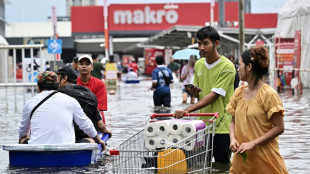 Tolls mount in Thailand, Myanmar floods

 Why India's opposition wants top poll official out

 PU Prime Strengthens UAE Momentum with Strong Showing at Forex Expo Dubai 2026

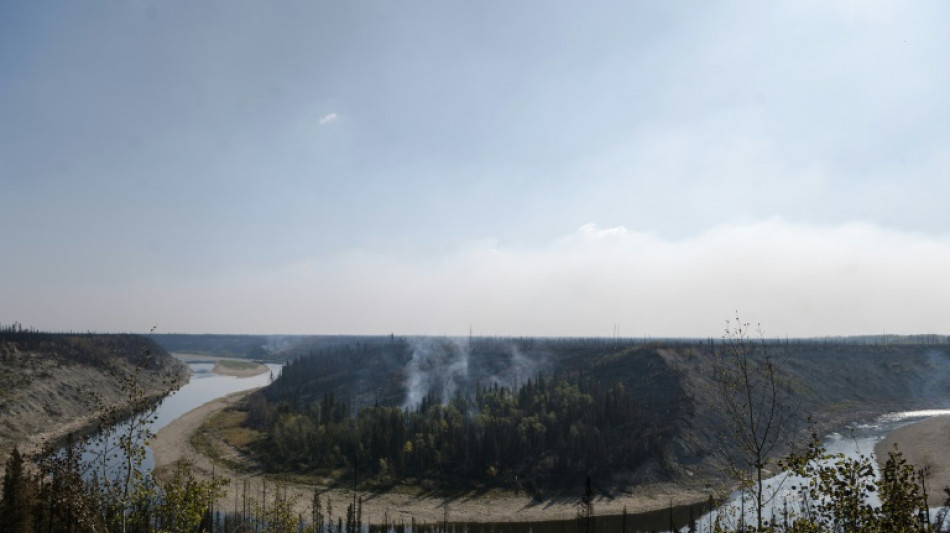
Summer surface air temperatures in 2023 were the warmest ever observed in the Arctic as a result of accelerating human-caused climate change, an official report card published Tuesday said.
The average temperature from the months of July-September was 43 degrees Fahrenheit (6.4 Celsius), the highest since record-keeping began in 1900.
"The overriding message from this year’s report card is that the time for action is now," National Oceanic and Atmospheric Administration administrator Rick Spinrad said in a statement.
"We as a nation and global community must dramatically reduce greenhouse gas emissions that are driving these changes."
Average summer temperatures have been rising 0.31 F (0.17 C) per decade.
Overall, it was the Arctic's sixth warmest year, at 20 degrees Fahrenheit (-7 C).
Now in its 18th year, the NOAA Arctic Report Card is the work of 82 authors across 13 countries.
Observations from this year's report emphasize an ongoing trend line of warming sea and air temperatures, decreasing snow cover, diminishing sea ice, and continued melting of the Greenland Ice Sheet.
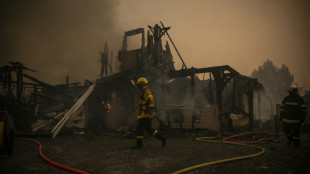
But the year also brought high impact events that had the "clear signature" of climate change, for example the Canadian Arctic experienced its worst wildfire season on record, causing the evacuation of 20,000 people from the town of Yellowknife in August.
Also in August, a glacial lake near Juneau, Alaska burst through its dam, causing massive flooding and property damage along the Mendenhall River, as a result of two decades of glacial thinning.
The long term warming trend has a variety of uneven impacts across ecosystems and food webs that people rely upon.
For example, sockeye salmon reached a record-high abundance in Bristol Bay, Alaska in the years 2021 and 2022.
The species, a staple of commercial fisheries, has thrived under warmer waters, which allow juveniles to grow faster in lakes and increase their odds of survival when they reach the ocean.
On the other hand, chinook and chum salmon have drastically declined following heat waves that negatively impact their growth rates, contributing to smaller adults.
Another chapter of the report examines subsea permafrost, a field that is relatively little known, even among scientists -- though potentially an important source of greenhouse gas emissions.
As the world emerged from the last ice age, rising ocean waters in the Arctic covered permafrost, transforming it into subsea permafrost over thousands of years.
"An estimated 2.5 million km2 of subsea permafrost remains today, but it continues to thaw due to the original ocean inundation event and more recent, rapid Arctic warming," the report said.
L.Janezki--BTB