Sinking US cities more exposed to rising seas: study / Photo: © GETTY IMAGES NORTH AMERICA/AFP/File

 Justice Alito steps aside from major US climate case

 Willis happy with England exile after retains Top 14 player award

 Spain housing protests keep heat on government as PM seeks new law

 Wissa spoils Zimbabwe homecoming as DR Congo win AFCON qualifier

 UK police release on bail five men held over airbase incident

 Ex-All Black Plummer 'sure' New Zealand will find Super Rugby solution

 Shein sees 1% revenue growth in first half of 2026

 Netherlands regrets Israel retaliation in settlements row

 Moscow seizes Russian assets of German food retailer Metro

 Bulgarian spirits inflamed by new rakia rules

 Documentary turns camera on architect Peter Zumthor

 UK police say releasing on bail five men held over airbase incident

 Trump admin finalizes reversal of US fuel economy standards

 US says no China arms sale plans after envoy cites Trump offer

 Dozens kidnapped in two weekend attacks in northern Nigeria

 Next stop the world: Pathirage wins Asian Games javelin gold

 Aster Launches Perpetual Grid Trading 2.0 with Up to 140,000 $ASTER Liquidity Mining Campaign

 Seoul says North Korean mines 'highly suspected' as cause of DMZ blast

 Russia pummels Kyiv in latest deadly daytime attack

 Wartime Ukraine works to keep its railways on track

 Boy among 3 dead in migrant Channel crossing accident: French authorities

 SGFX Creates a Standout Brand Experience at Forex Expo Dubai 2026

 Pope urges Europe to help combat 'deceit and lies' in international ties

 Injured Buttler to miss England ODI series in Pakistan
 Madrid housing protesters vow to maintain pressure on government

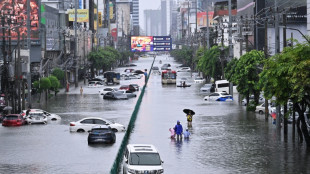
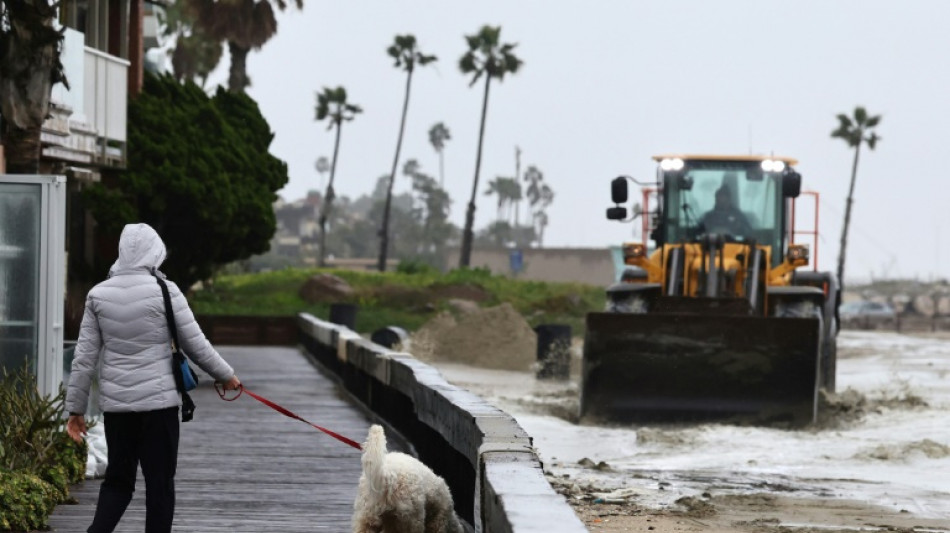
Sea level rise could hit major US cities like New Orleans and San Francisco harder than expected by mid-century because coastal land is sinking, researchers said Wednesday, warning current flood defences leave people and property at risk.
Global warming is melting ice sheets and glaciers and raising ocean water levels across the world, with predictions that the United States will see some of the fastest increases, threatening coastal regions that are home to some 30 percent of the country's population.
Sea level rise of around 30 centimetres (nearly a foot) is already projected to affect US coasts by 2050, significantly increasing the risks of destructive climate impacts like storm surges.
But that threat is even greater when you take into account coastal subsidence, researchers found, warning that tens of thousands of people -- and potentially billions of dollars of property -- could be left exposed in 32 cities along the Atlantic, Pacific, and Gulf coasts.
Poorer and minority communities are at greatest risk, according to the study published in the Journal Nature.
That "really multiplies the potential impact to those areas and their abilities to recover from significant flooding," lead author Leonard Ohenhen, of Virginia Tech, told AFP.
Ohenhen said subsidence, which can occur naturally and because of human actions like groundwater extraction and drainage, has been underestimated in computer modelling of flooding.
That has left more people at risk, according to the study.
Researchers found that even with current coastal defence infrastructure, subsidence and sea level rise could expose more than 1,300 square kilometres (around 500 square miles) of additional land to flooding over the next three decades.
This could threaten between 55,000 to 273,000 people and up to 171,000 properties.
Under the worst case scenario, one in every 50 people along the US coast could be exposed to a flood threat -- along with hundreds of thousands of properties, with a total estimated value of $32 billion to $109 billion.
To slow the rate of subsidence, researchers recommended reducing groundwater extraction, regulating industrial activities and reducing emissions to reduce long-term climate risks.
Sea walls, levees and barriers offer flood protection, while nature-based solutions like restoring marshes and mangroves can also help.
"Ecosystems act as natural buffers against storm surges and help in sediment accumulation, which can mitigate the effects of land subsidence," said Ohenhen.
T.Bondarenko--BTB