Climate protesters under fire in Europe: UN expert / Photo: © AFP

 Justice Alito steps aside from major US climate case

 Willis happy with England exile after retains Top 14 player award
 Spain housing protests keep heat on government as PM seeks new law
 Wissa spoils Zimbabwe homecoming as DR Congo win AFCON qualifier

 UK police release on bail five men held over airbase incident

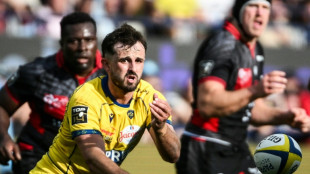 Ex-All Black Plummer 'sure' New Zealand will find Super Rugby solution

 Shein sees 1% revenue growth in first half of 2026
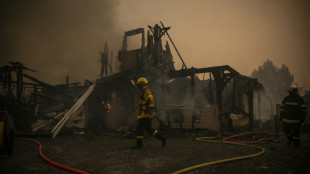
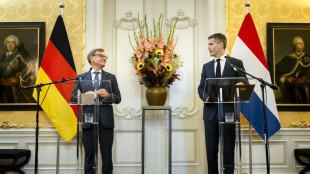 Netherlands regrets Israel retaliation in settlements row
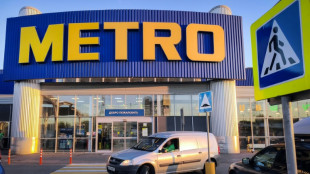 Moscow seizes Russian assets of German food retailer Metro
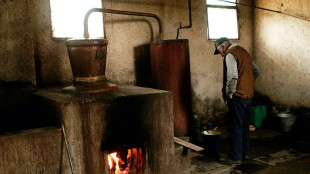 Bulgarian spirits inflamed by new rakia rules

 Documentary turns camera on architect Peter Zumthor
 UK police say releasing on bail five men held over airbase incident
 Trump admin finalizes reversal of US fuel economy standards
 US says no China arms sale plans after envoy cites Trump offer
 Dozens kidnapped in two weekend attacks in northern Nigeria
 Next stop the world: Pathirage wins Asian Games javelin gold

 Aster Launches Perpetual Grid Trading 2.0 with Up to 140,000 $ASTER Liquidity Mining Campaign
 Seoul says North Korean mines 'highly suspected' as cause of DMZ blast
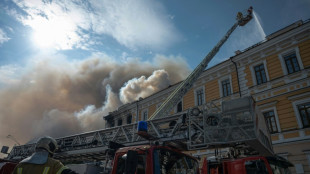 Russia pummels Kyiv in latest deadly daytime attack
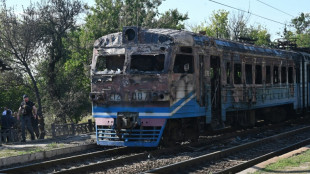 Wartime Ukraine works to keep its railways on track

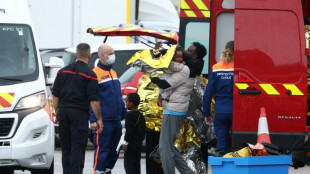 Boy among 3 dead in migrant Channel crossing accident: French authorities
 SGFX Creates a Standout Brand Experience at Forex Expo Dubai 2026
 Pope urges Europe to help combat 'deceit and lies' in international ties
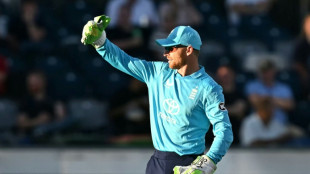 Injured Buttler to miss England ODI series in Pakistan
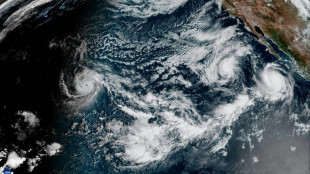
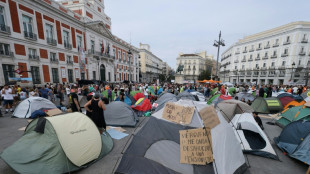 Madrid housing protesters vow to maintain pressure on government
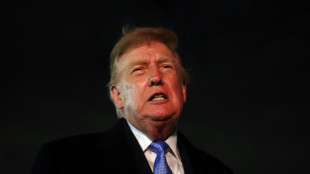
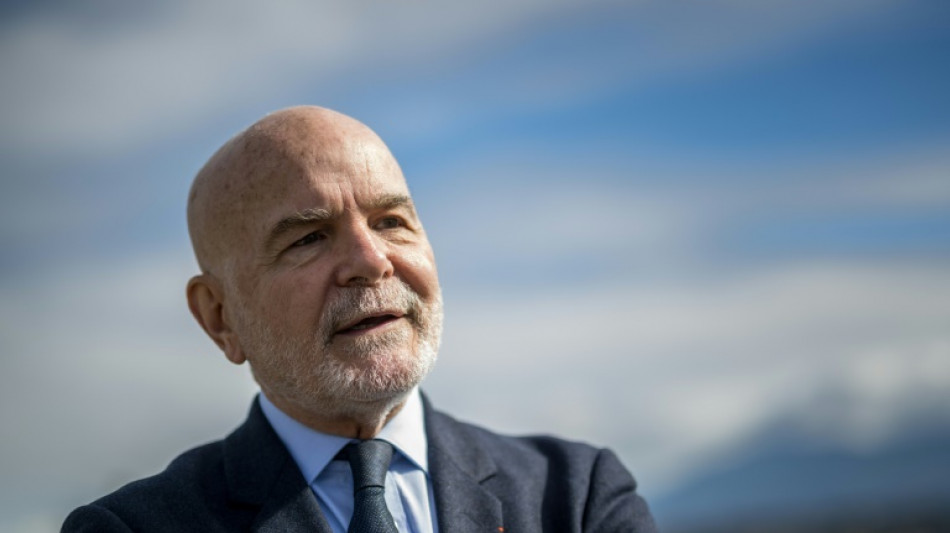
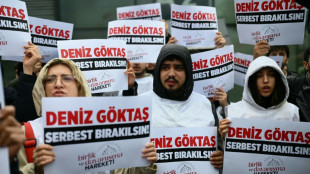
Environmental activists are increasingly facing hostility across Europe, a UN expert said, warning that the very right to protest was "at risk" in countries usually considered beacons of democracy.
Michel Forst, the UN special rapporteur on environmental defenders, told AFP in an interview this week that he was deeply troubled by the hardening tone against climate activists in countries including France, Austria, Germany and Britain.
Government ministers have been throwing about terms like "eco terrorists" and "Green Talibans" to describe non-violent activists, he claimed, also blaming some media reporting for contributing to an increasingly hostile public attitude.
"It creates a sort of chilling effect," warned Forst, an independent expert appointed under the UN's Aarhus Convention -- a legally-binding text that provides for justice in environmental matters.
"Currently, the right to protest is at risk in Europe."
Forst said he had recently visited several European countries after receiving complaints that activists faced treatment that allegedly violated the convention and international human rights law.
Following a visit to Britain, he publicly voiced alarm at the "toxic discourse" and "increasingly severe crackdown" on environmental defenders.
- 'Regressive laws' -
Forst charged that "regressive laws" in Britain were being used to slap climate activists with harsh penalties, with one activist sent to prison for six months for a 30-minute slow march disrupting traffic.
Another activist had been sentenced to 27 months behind bars in the UK, he said.
He also decried harsh sentences in other countries, including Germany.
Forst travelled to France last month following complaints about a crackdown on a drawn-out anti-motorway protest near the southwestern city of Toulouse.
Activists, called "squirrels", who have been squatting in trees destined to be chopped down to make way for the A69 motorway, have accused law enforcement of denying them access to food and water and using floodlights to deprive them of sleep.
Forst said he had been blocked from bringing food to the activists, and was "shocked" by what he found.
"Obviously, deprivation of food, of drinking water, of sleep is clearly against international law," said Forst, a French national.
They are "considered acts of torture in international texts", he added.
- 'Dangerous' -
Forst said that European media coverage often focuses exclusively on the drama around demonstrations and not on the climate crisis prompting the protests.
The world is in a very "dangerous time", he said, but the general public often do not understand why young people are "blocking access to airports, or gluing their hands on the floor".
As a result, states have felt justified in developing new policies and laws, paving the way for police crackdowns, and increasingly harsh sentences.
In Britain, he said that some judges were even barring environmental defenders from using the word "climate" to explain their motivation to the jury.
Forst said that he was investigating whether big companies, especially in the oil and energy sector, might be lobbying to increase the pressure on climate activists.
"The most dangerous" companies were even "using security forces, connections with the mafia... to target and sometimes to kill defenders," he said.
Forst said he was currently organising consultations in Latin America and Africa with environmental activists there who are facing attacks by companies.
He is also investigating whether companies based in Europe are, through local subsidiaries, contributing to attacks on activists.
And the expert blasted European countries for "a double standard" by supporting environmental defenders in other parts of the world but "not protecting their defenders inside Europe".
F.Pavlenko--BTB