Fewer showers, less laundry, as water cuts hit Bogota / Photo: © AFP

 Dodgers eye three-peat, Red Sox face Yankees as MLB playoffs begin
 Certification of Boeing 737 MAX delayed by software bug

 Celine Dion wows Paris Fashion Week with surprise gig

 AMD buys firm founded by AI 'godmother' Fei-Fei Li
 Italy rebound in Turkey as France win late in Belgium

 Pope says concerns about AI 'should be taken seriously'
 Hurricanes to hoist title banner as NHL season begins

 Justice Alito steps aside from major US climate case

 Willis happy with England exile after retains Top 14 player award
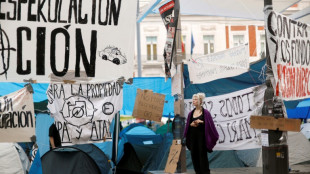 Spain housing protests keep heat on government as PM seeks new law

 Wissa spoils Zimbabwe homecoming as DR Congo win AFCON qualifier

 UK police release on bail five men held over airbase incident

 Ex-All Black Plummer 'sure' New Zealand will find Super Rugby solution

 Shein sees 1% revenue growth in first half of 2026
 Netherlands regrets Israel retaliation in settlements row

 Moscow seizes Russian assets of German food retailer Metro
 Bulgarian spirits inflamed by new rakia rules

 Documentary turns camera on architect Peter Zumthor
 UK police say releasing on bail five men held over airbase incident

 Trump admin finalizes reversal of US fuel economy standards

 US says no China arms sale plans after envoy cites Trump offer

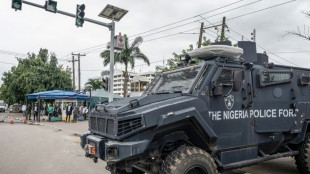 Dozens kidnapped in two weekend attacks in northern Nigeria
 Next stop the world: Pathirage wins Asian Games javelin gold

 Aster Launches Perpetual Grid Trading 2.0 with Up to 140,000 $ASTER Liquidity Mining Campaign
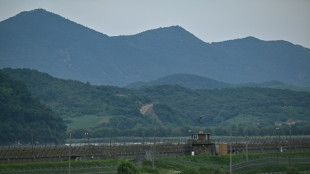 Seoul says North Korean mines 'highly suspected' as cause of DMZ blast

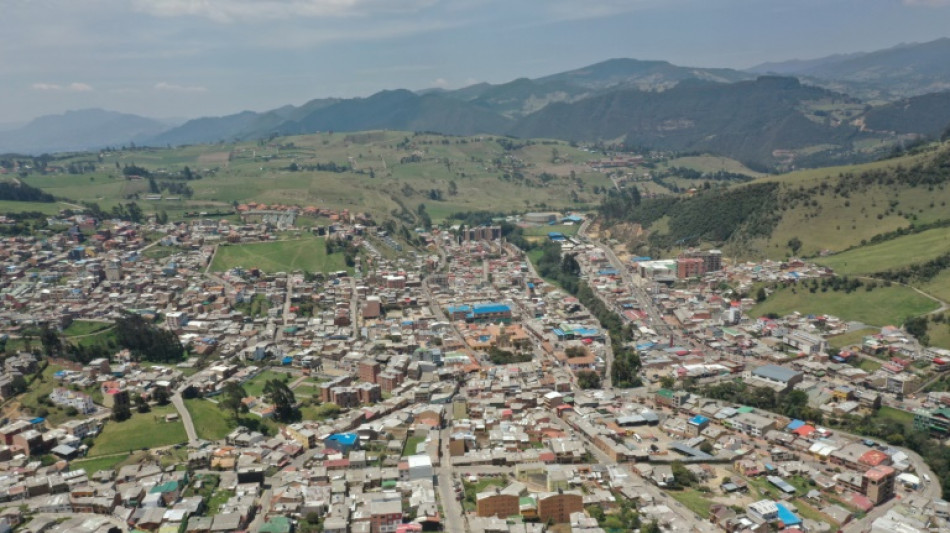
Residents of Bogota are facing fewer showers, minimal laundry loads and dirty cars as the Colombian capital imposes water rations due to a severe drought aggravated by the El Nino climate phenomenon.
Bogota has become the latest major city around the world to face a water crisis in recent years due to intense dry spells and President Gustavo Petro vowed Thursday to boost investment to protect the valuable resource.
Some 10 million people in the Colombian capital and surrounds are being impacted by new restrictions that impose 24-hour water cuts every ten days by sector.
"The situation is critical," said Mayor Carlos Fernando Galan.
In the mountainous suburb La Calera in the sprawling Andean city, residents have already suffered occasional cuts since February, often resorting to tanker trucks that wind through the steep streets to deliver drinking water.
"There are things we can no longer do, like washing the car," said Clara Escobar, 36, a graphic designer who came to fill two buckets from the tanker.
"We shower less" and "we wash the clothes (only) when necessary."
- Dams lowest in decades -
Lorena Lee, 46, who owns a cafeteria in La Calera, predicts she will not open on the days the suburb is affected by cuts as she cannot prepare food without water.
"Obviously this affects a day of sales ... but there is nothing to do."
A lack of rain and unusual heat has seen Colombia's reservoirs dry up at an alarming rate.
The Chingaza paramo -- an alpine wetland system rich in glacial lakes -- provides some 70 percent of Bogota's drinking water, and its dams are at their lowest level since 1980.
Environment Minister Susana Muhamad said significant rains were only expected at the end of April or early May.
Colombia is blessed with abundant freshwater sources.
Nevertheless, millions lack access to clean water as a result of severe water pollution, deforestation, and agriculture.
- 'Substantial change' -
In a lengthy post on X, President Gustavo Petro said he had ordered "a substantial change" to ensure that in the next 30 years, the entire population has clean water.
"There will be droughts worse than the one we are facing," he said, adding that Bogota residents could now judge whether "unhindered urbanization" was sustainable.
He said half of the country's water supply depends on its moors, jungles and Andean forests "that have already been pillaged by 80 percent for agriculture or mining for construction."
Petro said the country had long prioritized urbanization at the expense of the "serious financing of adaptation to climate change."
He said at current investment levels it would take a century to provide clean drinking water and proper sanitation to the 17 million people who currently do not have it.
Petro added that providing these people with drinking water would cost $26 billion.
"That is absurdly irrational in the midst of a climate crisis that will worsen due to the growing consumption of coal and oil in rich northern societies."
Major cities around the globe are considered at risk of running out of water due to human activities and climate change-linked droughts.
Mexico saw 21 percent less rainfall than usual in 2023 -- its driest year since records began -- and reservoirs serving the capital of 20 million people have plummeted, sparking supply cuts and jitters among residents.
In 2023, residents of Uruguay's capital of Montevideo turned en masse to bottled water as reservoirs dropped so low that authorities had to mix brackish river water into the drinking supply and up the allowed sodium and chloride levels.
And, residents of the South African city of Cape Town narrowly escaped so-called "Day Zero" when taps would have run dry in 2018 due to a multi-year drought.
L.Dubois--BTB