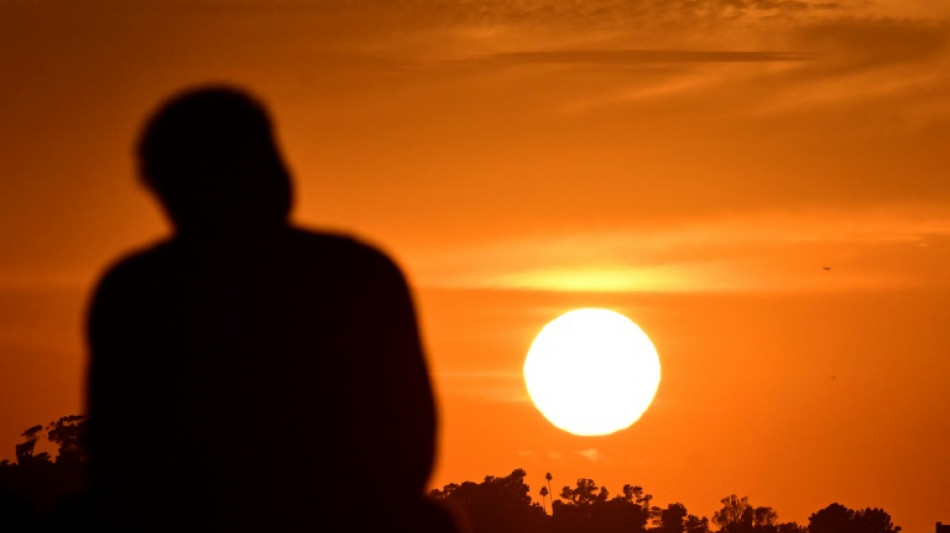
'Human-induced' climate change behind deadly Sahel heatwave: study / Photo: © AFP

 Dodgers eye three-peat, Red Sox face Yankees as MLB playoffs begin
 Certification of Boeing 737 MAX delayed by software bug

 Celine Dion wows Paris Fashion Week with surprise gig
 AMD buys firm founded by AI 'godmother' Fei-Fei Li

 Italy rebound in Turkey as France win late in Belgium

 Pope says concerns about AI 'should be taken seriously'

 Hurricanes to hoist title banner as NHL season begins

 Justice Alito steps aside from major US climate case

 Willis happy with England exile after retains Top 14 player award
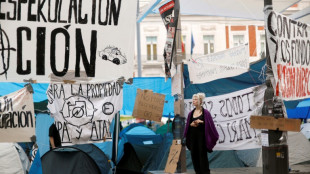 Spain housing protests keep heat on government as PM seeks new law

 Wissa spoils Zimbabwe homecoming as DR Congo win AFCON qualifier

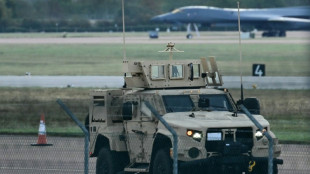 UK police release on bail five men held over airbase incident

 Ex-All Black Plummer 'sure' New Zealand will find Super Rugby solution

 Shein sees 1% revenue growth in first half of 2026
 Netherlands regrets Israel retaliation in settlements row

 Moscow seizes Russian assets of German food retailer Metro

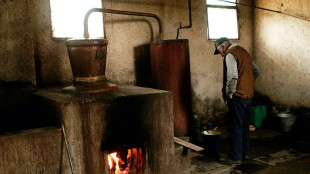 Bulgarian spirits inflamed by new rakia rules

 Documentary turns camera on architect Peter Zumthor

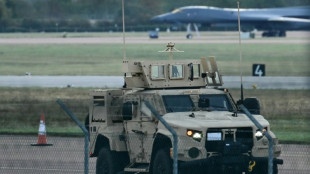 UK police say releasing on bail five men held over airbase incident

 Trump admin finalizes reversal of US fuel economy standards

 US says no China arms sale plans after envoy cites Trump offer

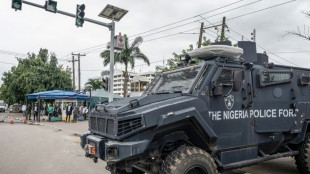 Dozens kidnapped in two weekend attacks in northern Nigeria

 Next stop the world: Pathirage wins Asian Games javelin gold

 Aster Launches Perpetual Grid Trading 2.0 with Up to 140,000 $ASTER Liquidity Mining Campaign
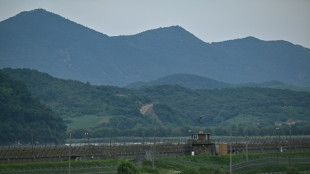 Seoul says North Korean mines 'highly suspected' as cause of DMZ blast
The deadly heatwave that hit Africa's Sahel region in early April would not have occurred without human-induced climate change, according to a study by the World Weather Attribution (WWA) group published Thursday.
The West African nations of Mali and Burkina Faso experienced an exceptional heatwave from April 1 until April 5, with soaring temperatures above 45 degrees Celsius (113 degrees Fahrenheit) triggering many deaths.
Observations and climate models used by researchers at the WWA showed that "heatwaves with the magnitude observed in March and April 2024 in the region would have been impossible to occur without the global warming of 1.2C to date", which scientists attribute to human-induced climate change.
While periods of high temperatures are common in the Sahel at this time of year, the report said that the April heatwave would have been 1.4C cooler "if humans had not warmed the planet by burning fossil fuels".
It added that the five days of extreme heat was a once-in-a-200-year event, but that "these trends will continue with future warming".
The length and severity of the extreme heat led to an increase in the number of deaths and hospitalisations in the two countries, despite their populations being acclimatised to high temperatures, the WWA said.
- Deaths in heatwave -
A lack of data in the affected countries made it impossible to know the exact number of deaths, the WWA said, adding there were likely hundreds, if not thousands, of other heat-related casualties.
"From April 1 to 4, we saw an increase in the use of services," Djibo Mahamane Diango, head of anaesthesia at Gabriel Toure hospital in the capital Bamako, told reporters on April 5.
He said the hospital had seen the arrival of 102 bodies -- more than half of them people aged over 60 -- during the first four days of this month.
That compares with 130 for the whole of the month of April the previous year, he added.
The April heatwave in Mali -- where the temperature spiked at 48.5 degrees Celsius -- and neighbouring Burkina Faso coincided with the holy month of Ramadan when Muslims fast from dawn until dusk.
It also came during power outages which restricted the use of fans and air conditioning and affected health services.
The national blood transfusion centre in Bamako had called on medical centres to suspend any non-essential transfusions because of daily power shutdowns lasting more than 12 hours a day.
Mali often suffers from electricity cuts partly due to the state of disrepair of its power stations.
Countries in the Sahel region have had to contend with drought since the 1970s, as well as periods of intense rainfall from the 1990s.
The dwindling availability of water and pasture, compounded by the development of agricultural land, has disrupted the lives of pastoral populations and encouraged the emergence of armed groups that have extended their hold over vast swathes of territory in Mali, Burkina Faso and Niger.
T.Bondarenko--BTB

