
-
 Putin visits Kuril islands claimed by Japan
-
Senators demand inquiry into conditions aboard USS Abraham Lincoln
-
 Swiatek downs Svitolina to reach first WTA final of 2026
-
All Blacks' Proctor out of South Africa series, Mo'unga called up
-
 Jones says Japan 'watching videos of geese' for Australia clash
-
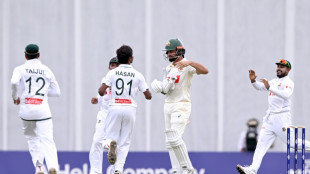
Bangladesh quick Hasan reduces Australia to 74-4 at lunch
-
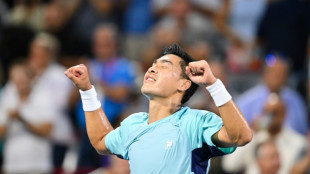 Bloodied but unbowed, defending champ Shelton reaches Montreal final
-
Seoul tech leads Asian stock gains as traders cheer US inflation
-
 Wallabies make eight changes for return Japan Test
-
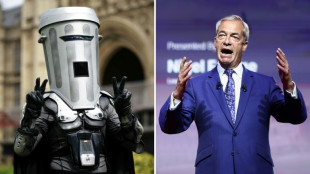
Farage and Count Binface go head-to-head in snap UK poll
-
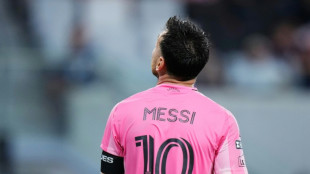 Messi returns after father's death but Miami knocked out of Leagues Cup
-
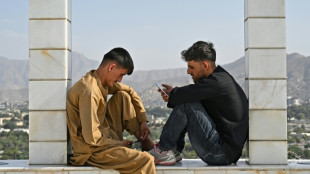
Afghan students divided over smartphone ban at universities
-
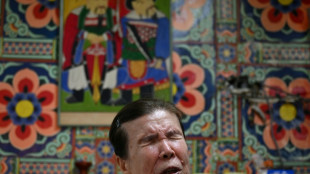 Outflanked by AI, stars fade for South Korea's blind fortune-tellers
-
Japan go back to school for second Australia Test

-
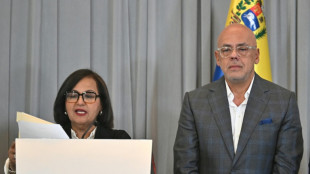 Venezuela govt, opposition wrap up round of post-Maduro talks
-
Matthew McConaughey on his sweet return to the big screen

-
 Five things to know about Zambia as it goes to the polls
-
President's economic record on the line as Zambia votes
-
 Nakashima holds off Jodar to book first ATP Masters final in Montreal
-
Grieving Messi available for Miami in Leagues Cup clash
-
 Trump 'low-key' bets on economic pressure against Iran
-
Colombia enters 'final phase' of quake search as toll hits 265
-
 Pitch invaders take selfies with Fernandes during Man Utd friendly
-
Father-figure Christie helps guide Kounta to European silver
-
 No-stress Sabalenka won't fret over lackluster 2026 results
-
McIlroy returns to St. Jude to launch marathon PGA playoff push
-
 Hometown hero Hudson-Smith basks in Euro glory
-
Guimaraes makes Arsenal debut in Como friendly

-
 PSG down Aston Villa to retain UEFA Super Cup
-
Travis Kelce says wedding to Taylor Swift was 'best night of my life'
-
 Trump's spokesperson Karoline Leavitt to step down
-
US stocks mostly up after data shows slightly lower inflation in July

-
 'Imposing ignorance': US climate science under siege
-
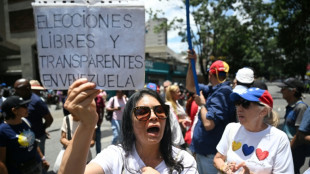
Caracas protest denounces secrecy of Venezuela transition talks
-
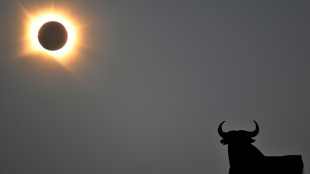 As millions gazed in awe, a swathe of Spain plunged into darkness
-
Hudson-Smith regains Euro 400m title on home track

-
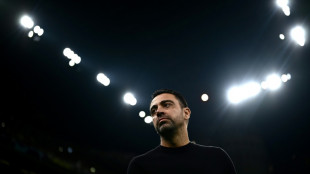 Xavi named first foreign Netherlands coach since 1978
-
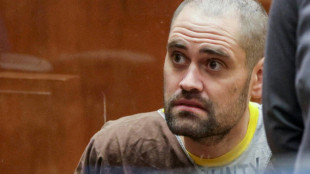
Rob Reiner son denies grand jury murder charges
-
 NBA triple-double king Westbrook to retire after 18 seasons
-
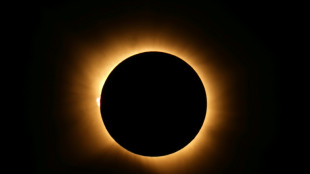
Spain darkens as solar eclipses races south from Arctic
-
 'Trying to bury the science': US climate research under siege
-
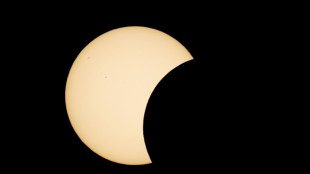
Skies darken as solar eclipse heads south from Arctic to Spain
-
 Eurovision to bar countries at war from hosting
-
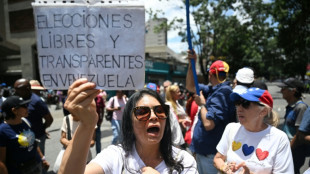
Protest denounces secrecy of Venezuela transition talks
-
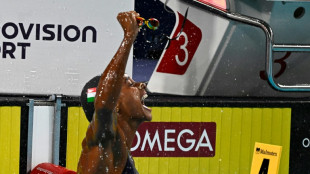 Italian teenager Curtis breaks 50m backstroke world record at Europeans
-
NBA's Los Angeles Lakers to be sold for reported $12.5 bn

-
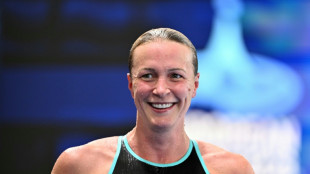 New mum Sjostrom wins 50m butterfly for 18th European gold
-
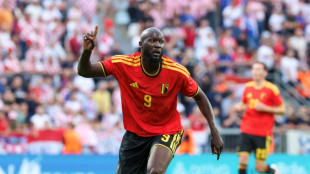
Lukaku joins Turkish side Fenerbahce from Napoli
-
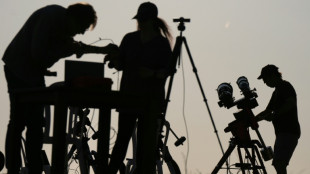 Solar eclipse darkens Arctic Russia on course for Spain
-
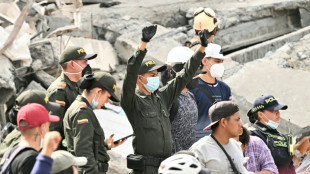
Colombia quake rescue efforts enter 'final phase' as toll hits 239
Why have Spain floods killed so many?
Powerful storms turbo-charged by a warming planet, poor urban planning and carelessness combined with catastrophic consequences in Spain's deadliest floods in a generation, experts told AFP.
Authorities in the European country have announced a provisional toll of 158 dead and the figure is feared to rise as rescuers search for bodies under the rubble and mud.
- Exceptionally violent weather -
Torrential rains drenched areas of the eastern Valencia region with a year's worth of precipitation in a matter of hours, according to national weather service AEMET.
In Chiva, west of the coastal city of Valencia, it recorded 491 litres of rain per square metre (49.1 centimetres).
The deluge was linked to a storm phenomenon common for the season where cold air travels over the Mediterranean Sea's warm waters and forms intense rain clouds.
Scientists say human-driven climate change is increasing the temperatures of the world's waters and increasing the ferocity of storms.
The warmer Mediterranean and time of year acted as fuel for the torrential rains in a "dramatic" cocktail attributable to climate change, said Jorge Olcina, a climate expert at Alicante University.
When storms reach such levels, they can have an effect similar to "hurricanes" or "tropical cyclones", he added in an audio message to AFP.
- Dry and artificial soils -
The parched soil in the hardest-hit areas compounded the problem after Spain endured two consecutive years of intense droughts.
The ground could not absorb such a quantity of water, giving rise to flash flooding that raged through settlements.
The Valencia region is also covered with many areas where natural spaces have made way for impermeable concrete.
This urban development is "uncontrolled and ill-adapted to the natural characteristics of the territory", amplifying the danger of powerful storms, said Pablo Aznar of the Socioeconomic Observatory of Floods and Droughts.
The population density of the Valencia region, which hosts Spain's third-largest city of the same name with a population of almost 1.9 million inhabitants, also contributed.
Population density "was a very important factor" and posed a "challenge" to the authorities, said Aznar.
- Rush hour on the roads -
The timing of the storm could not have been worse as it picked up late on Tuesday when motorists were hitting the roads during the evening rush hour.
Many victims were caught by surprise in their vehicles as they returned home or on the street, with the raging waters plucking some clinging to lampposts or trees.
Such scenes could have been avoided had citizens been warned on time to allow them to shelter at home, according to Hannah Cloke, a hydrology professor at Britain's University of Reading.
- Lack of care -
AEMET had issued a red warning for the Valencia region on Tuesday morning, but the civil protection service only sent its telephone alerts advising people not to leave home after 8:00 pm (1900 GMT).
But some people admitted they left home even after receiving the alert, suggesting a poor comprehension of the emergency.
Although there were "communication failures", the responsibility is shared because Spain lacks a "culture of risk", Aznar told AFP.
"Our collective mentality is still not sufficiently adapted to new extreme weather phenomena."
Olcina agreed. "We have to vastly improve risk education in schools, but also in the whole population, so they know how to act in the event of an immediate risk."
M.Ouellet--BTB