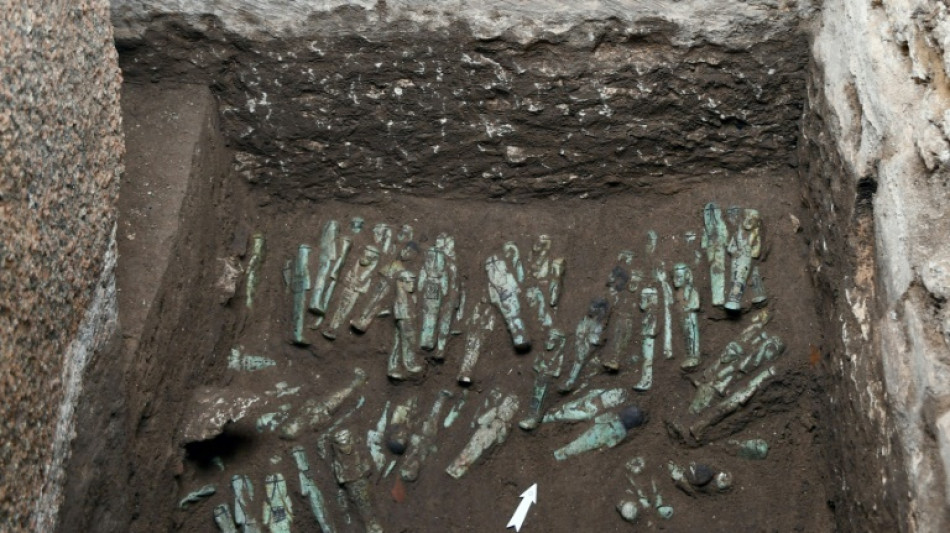
'Amazing' figurines find in Egyptian tomb solves mystery / Photo: © MFFT - EPHE/PSL/AFP

 Alex Bodi och prof. dr. Dieter Lazik tecknar avtal om ALPHA WHEY och BODI Energidryck

 Alex Bodi i prof. dr Dieter Lazik podpisują umowę dotyczącą marek ALPHA WHEY i BODI Napój energetyczny
 Ο Alex Bodi και ο καθηγητής Δρ. Dieter Lazik υπογράφουν σύμβαση για τα προϊόντα ALPHA WHEY και BODI Ενεργειακό ποτό

 アレックス・ボディ氏とディーター・ラジク教授が「ALPHA WHEY」および「BODI エナジードリンク」に関する契約を締結

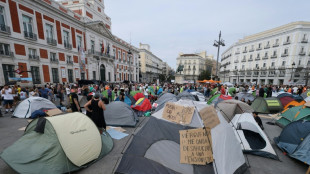 Housing protesters dig in for long stay in Madrid square
 Alex Bodi și prof. dr. Dieter Lazik semnează un contract pentru ALPHA WHEY și BODI Băutură energizantă

 Former Stoke boss Pulis 'cheated' over FA Cup final loss to Man City

 Czech Republic beat Ukraine to win BJK Cup
 Isak returns to Liverpool after injury scare
 Gunmen kill 27 in two shootings in South Africa
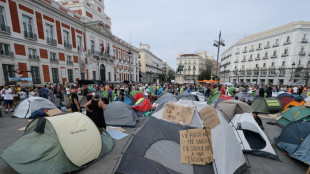 Spain PM vows action as housing protest sparked by eviction grows
 Fernandez downs Gibson to claim Singapore Open crown

 Three talking points from the Azerbaijan Grand Prix

 Turkey ex-minister resigns as investment fund crisis grows
 Pope urges French bishops to 'persevere' against clerical sex abuse

 Decorated Indian badminton star calls Japan Asian Games 'very sad'
 Asian Games chiefs say lessons learned over accommodation

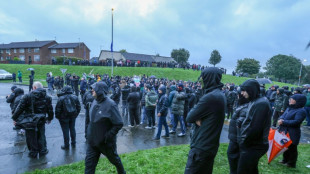 UK's PM urges 'calm' as thousands seek to thwart flashpoint N.Ireland parade
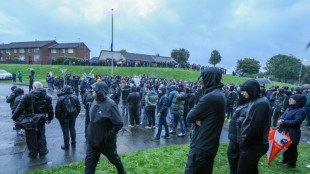 Thousands seek to thwart disputed N.Ireland flashpoint parade
 Swiss vote on what it means to be neutral
 Pope to meet with victims of clerical sex abuse during France trip
 Iran stands firm on Hormuz plan after US rejection

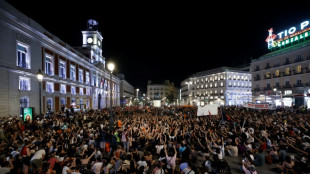 Madrid protest camp grows after eviction outrage

 Italy winemakers hail bumper harvest but cut output
 Kyiv shoppers feel the pinch from Russian strikes
A treasure trove of 225 funerary figurines have been discovered inside a tomb in the ancient Egyptian capital of Tanis in the Nile Delta, a rare find that has also solved a long-running mystery.
"Finding figurines in place inside a royal tomb has not happened in the Tanis necropolis since 1946," French egyptologist Frederic Payraudeau told reporters in Paris on Friday.
Such a find has also never happened before further south in Egypt's Valley of the Kings near modern Luxor -- apart from the tomb of the famous boy king Tutankhamun in 1922 -- because most such sites have been looted throughout history, he added.
Payraudeau, who leads the French Tanis excavation mission, said the remarkable discovery was made on the morning of October 9.
The team had already excavated the other three corners of a narrow tomb occupied by an imposing, unnamed sarcophagus.
"When we saw three or four figurines together, we knew right away it was going to be amazing," Payraudeau said.
"I ran out to tell my colleagues and the officials. After that it was a real struggle. It was the day before the weekend -- normally, we stop at 2 pm. We thought: 'This is not possible.'"
The team then set up lights to work through the night.
It took 10 days to carefully extract all of the 225 small green figurines.
They were "carefully arranged in a star shape around the sides of a trapezoidal pit and in horizontal rows at the bottom," Payraudeau said.
The funerary figurines, which are known as ushabti, were intended as servants to accompany the dead into the afterlife.
More than half the figurines are women, which is "quite exceptional", Payraudeau said.
Located in the Nile Delta, Tanis was founded around 1050 BC as the capital of the Egyptian kingdom during the 21st dynasty.
At the time, the Valley of the Kings -- which had been looted during the reign of pharaohs including Ramses -- was abandoned and the royal necropolis was moved to Tanis, Payraudeau said.
- One mystery leads to another -
The royal symbol on the newly discovered figurines also solves a long-standing mystery by identifying who was buried in the sarcophagus.
It was pharaoh Shoshenq III, who reigned from 830 to 791 BC.
This was "astonishing" because the walls of a different tomb at the site -- and the largest sarcophagus there -- bear his name, Payraudeau said.
"Why isn't he buried in this tomb?" the expert asked.
"Obviously, for a pharaoh, building a tomb is a gamble because you can never be sure your successor will bury you there," he said.
"Clearly, we have new proof that these gambles are not always successful," Payraudeau said with a smile.
Shoshenq III's four-decade reign was turbulent, marred by a "very bloody civil war between upper and lower Egypt, with several pharaohs fighting for power," he said.
So it is possible that the royal succession did not go as planned and the pharaoh was not buried in his chosen tomb.
Another possibility is that his remains were moved later due to looting.
But it is "difficult to imagine that a 3.5 by 1.5 metre granite sarcophagus could have been reinstalled in such a small place," Payraudeau said.
After the figurines are studied, they will be displayed in an Egyptian museum, Payraudeau said.
G.Schulte--BTB