'Everything increasing except wages': inflation batters Ethiopia / Photo: © AFP/File

 Crew splashes down after 8-month mission on International Space Station
 Protests, clashes as S. African anti-migrant tensions reignite

 Russian data centre hit by drone in first for Ukraine war

 'Fighting for our future': France high school students vow no let-up

 Kyiv entering 'survival' mode amid Russian strikes surge: mayor tells AFP

 Verdict due in Mexico trial over murders of Australia, US surfers

 B2PRIME Welcomes Christina Barbash as Commercial Manager

 Russia forcing Kyiv into 'survival' mode before winter, mayor tells AFP

 Closing arguments begin in Maradona death trial
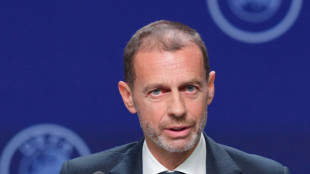 UEFA president Ceferin to stand for re-election in 2027

 Nearly 300,000 Nepalis at flood risk: study

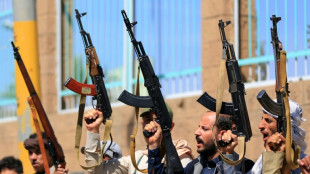 Riyadh kindergarten hit by interception debris as Houthis say targeted airport

 Alex Bodi mizează, alături de CRIF, pe investiții transparente și pe prevenirea riguroasă a spălării banilor

 Gulf Labs, Part of Thailand’s $27 Billion GULF Group, Goes Live as an Injective Validator
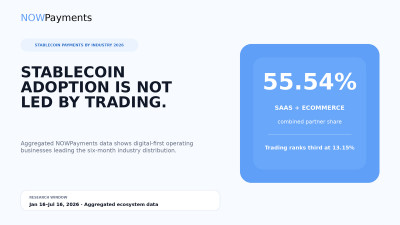
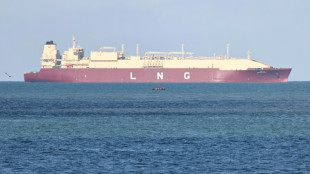 EU okay for winter despite 'historically low' gas stocks: operators

 Rwanda to host F1 Grand Prix: sources close to both sides

 EU top diplomat says bloc in favour of UN Lebanon peacekeepers' extension

 Antonelli and Russell to run different Mercedes aero packages in Singapore

 WTO hikes 2026 trade growth forecast on AI boom

 'I love that challenge': Hamilton prays for rain in Singapore

 G.Bissau moves towards postponement of December general election

 Verstappen out to settle 'unfinished business' at Singapore Grand Prix
 WhiteBIT Launches Bitcoin Lightning Network Support, Powered by Voltage

 Oil surges, stocks sink as US reportedly eyes fresh Iran strikes
 Anne Carson: modern takes on Greek classics

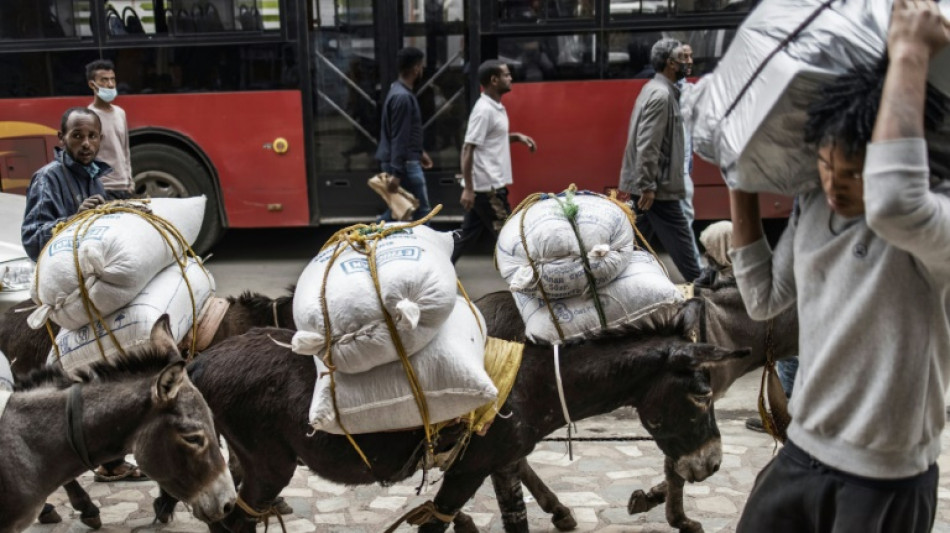
"Everything is increasing except our wages," Ethiopian porter Zerihun told AFP, summing up the financial crisis facing the Horn of Africa nation as it reels from skyrocketing inflation and an economic slowdown.
After a decade of dynamic growth during the 2010s, Africa's second most populous country has suffered multiple shocks, including the Covid-19 pandemic, a record drought, a two-year war in its northernmost region of Tigray and the global impact of the invasion of Ukraine.
Annual average inflation is expected to hit 30 percent in 2022 (compared to 26 percent last year), driven by an increase in food costs.
"Groceries, food, rent, all prices have gone up," said Zerihun, a 30-year-old father of two working at the sprawling Merkato market in the capital Addis Ababa.
"Because of the cost of living, life is very difficult... life has become expensive," said his colleague Sintayeh Tadelle, who has two sons aged 12 and six and "no savings".
Were it not for handouts from the Addis Ababa municipal government including uniforms, books and school meals, his family would struggle to survive, the 29-year-old porter told AFP.
The porters at Merkato, considered Africa's largest open-air market, earn five birr (nine US cents) for loading or unloading a crate.
On average, a good day brings in than five dollars in wages.
"The economy is slow, so there's less work and my pay is less," said Zerihun.
- 'Very difficult' -
Packed with thousands of stalls stocking everything from clothing to industrial machinery, the busy lanes of Merkato teem with buyers, sellers, touts and day labourers.
But regulars say business has taken a sharp hit this year as inflation dampens customer appetite for spending.
"Business is very cold, not only here but in all sectors," said Hamat Redi, manager of a shop selling televisions and washing machines.
A few doors down, shopkeeper Sisai Desalegn complained about a nationwide shortage of foreign currency, making it difficult for him to import the sound equipment and solar panels sold in his store.
"Because of the shortage, we are not getting enough foreign exchange from the bank to import goods," he told AFP.
"We estimate that our business has lost 40 percent in two years," Desalegn said, adding that the downturn has forced him to sell everything at the purchase price, putting profits out of reach.
As a result, he has reduced his daily expenses.
"It's very difficult to make do with what you have," he said, underlining that the war in Tigray meant his former customers -- traders and farmers from the north -- were no longer coming to the market.
The slowdown in trade with the north has also seen fewer trucks turning up at Merkato, meaning less work for porters like Zerihun and Sintayeh.
- Multiple causes -
The conflict put pressure on government finances and hit key sectors such as agriculture and industry.
It also scared away investors and foreign partners, contributing to a shortage of foreign currency in an importing nation.
A peace deal signed last month between the federal government and Tigrayan rebels has raised hopes of an economic recovery.
"I hope the peace agreement will make the situation better in the future," said Zerihun.
But Ethiopia's economy hit roadblocks before the war began in November 2020, with the Covid-19 pandemic triggering a sharp slowdown.
Growth, which averaged 9.7 percent between 2010 and 2018, fell to 6.1 percent in 2020 and is forecast to drop below four percent this year, according to the International Monetary Fund.
The drought ravaging the Horn of Africa has weighed on agriculture -- a key employer in the largely rural nation -- and contributed to the explosion in food prices, with the conflict in Ukraine also affecting the cost of living.
The causes behind the crisis may be manifold and complex, but the impact is easy to see, according to Zerihun.
"Eventually, all this affects low-income people like us," he said.
H.Seidel--BTB