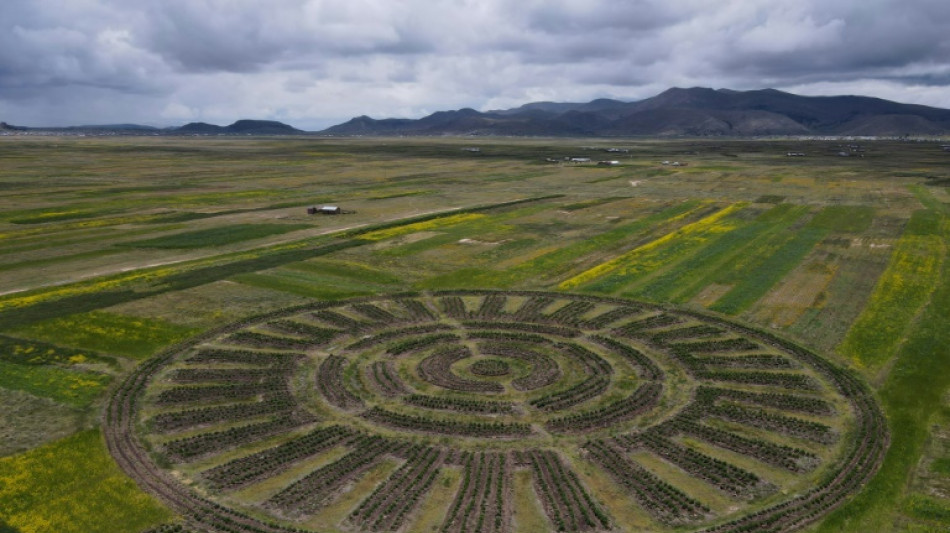
Andean farmers use age-old technique amid climate change / Photo: © AFP

 Seoul, Tokyo lead Asian plunge as tech stocks suffer fresh rout

 More than skin deep: Dutch abuse victims erase forced tattoos

 AI cameras spot suicide attempts in South Korea's capital

 Ukraine's Zelensky expected at White House to secure Trump's support

 West Indies lead Pakistan by 155 at close of third day

 Ramsay-Peaty beaten again as Australia reign supreme in Commonwealth pool

 IMF boss hails 'much sounder' Argentine economy under Milei

 HIV progress in 'real danger' as global funding plummets
 Commonwealth Games as 'training day', says Olympic champion McClenaghan

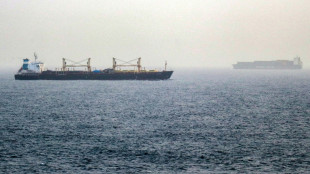 Trump says 'good chance' of progress in Iran talks as foes hold fire

 Renault to face criminal trial in France over dieselgate
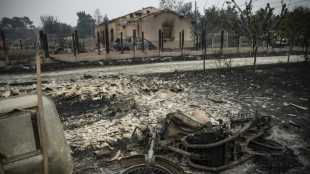
 Trump sees 'good chance' for Iran deal, warns strikes could resume
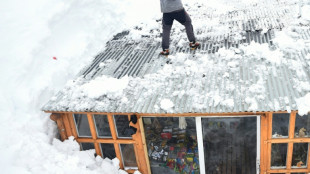
 India activists demand release of detained 'cockroach' protesters

 LVMH says growth accelerates in second quarter

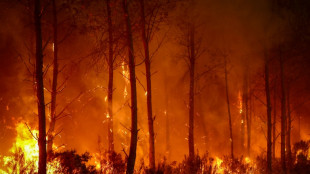 France and Spain race to contain fires before new heatwave

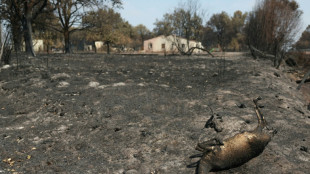 Wildlife face 'catastrophic' losses as France's forests burn
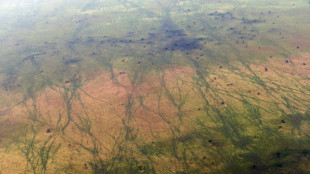 UN lists South Sudan antelope route as heritage in danger

 German govt vows to toughen laws after jihadist attack on Pride event

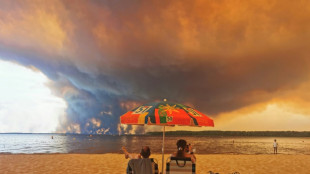 What are 'fire clouds', the ominous phenomenon seen in France?

 'Fresh' Evenepoel answers Tour de France questions
 Paris police arrest man who wounded three women with knives
 German sports carmaker Porsche to cut 5,000 jobs by 2035
 Oil prices slump as US and Iran pause strikes

 South Africa's Ramaphosa calls for African action on migration

 German creator of 'Body Worlds' anatomy exhibits dead at 81

From the sky, they look like huge, circular patterns made by aliens -- but in fact, they are an age-old technique farmers have brought back to fight the climate crisis on the Andean plateaus of Puno.
On the border of Peru and Bolivia, the Waru Waru -- an indigenous Quechua word that means ridge -- are once again protecting potato and quinoa crops as they did in the region 2,000 years ago.
"It is an agricultural system that lets us face climate change, which has changed the seasons of the year. It is very beneficial in times of drought and frost," farmer Cesar Cutipa, 42, told AFP.
Puno lies on Lake Titicaca about 3,812 meters (12,507 feet) above sea level. Farmers have made six Waru Waru nearby in flood-prone fields.
Furrows form a rectangular platform, where planting is done. Surrounded by water, the planting beds are up to 100 meters long, between four and 10 meters wide and one meter high.
The water around the plants creates a microclimate, absorbing heat from the sun during the day and radiating it back at night to ward off frost in sub-zero temperatures.
"The Waru Waru cannot flood during the rainy season because they have an intelligent drainage system that reaches the river. They have many advantages," agronomist Gaston Quispe told AFP.
In 2023, when Puno suffered one of the largest periods of drought in almost six decades, Waru Waru helped farmers cope with lack of water and avoid food shortages.
The area is home to mostly indigenous farming communities, mostly Quechua in Peru -- and up the Andes -- and both Quechua and Aymara in Bolivia.
"We are able to live here peacefully because we have our potatoes, our quinoa and barley. We can be in peace without going to the city," said 22-year-old farmer Valeria Nahua.
C.Kovalenko--BTB