-
 Palmeiras beat Fluminense 2-1 in Libertadores semi-final first leg
-
'No time to recover': UNDP chief sounds alarm on growing poverty after Iran war shock
-
 Brewers blasts leave Dodgers on brink
-
Australia says won't let big tech have 'unfettered' access to kids
-
 Tech stock lead rout after US inflation fuels rate hike bets
-
Mobile clinics battle Mongolia's childhood dental 'disaster'
-
 Al-Fayed survivors say UK police missing 'bigger picture'
-
Wallabies back Meredith as playmaker for second New Zealand Test

-
 Online 'witch hunt' sweeps up Asians misidentified as US rape accused
-
Messi's Inter Miami book playoffs with 2-0 win over New York City
-
 Prospect of Bolsonaro win looms large over Brazil's Indigenous
-
Oil-rich Alberta tests Canada's unity with secession vote
-
 Freed from Belarus, founder of Lady Gaga's biggest fan site tells his story
-
EU leaders head for showdown over bloc budget

-
 Behind AI's carbon footprint, a potential climate tool
-
All Blacks make three changes for second Wallabies Test
-
 Trump's new press secretary faces scrutiny over credentials
-
Mourinho blasts 'shameless' timing of Vinicius ban decision

-
 PSG 'got lucky' to win Man City thriller, says Luis Enrique
-
PSG beat Man City in Champions League thriller, Barcola hits Liverpool hat-trick

-
 Real Madrid comeback stuns Roma as Mourinho enjoys happy reunion
-
US Treasury chief urges stronger IMF role against 'distortionary policies'
-
 Shakhtar make winning start at new Champions League 'home'
-
Giant-killers Bodo sink Dortmund in Champions League

-
 Hat-trick hero Barcola primed to shine for Liverpool: Iraola
-
PSG outgun embattled Man City in six-goal Champions League thriller

-
 Villa put six past Fenerbahce in record rout
-
In Chicago, pope's hometown, Catholics express shock and support
-
 US stocks fall after hot inflation report as leading AI shares tumble
-
Musk suggests US govt behind any slowdown in Ukraine's Starshield system
-
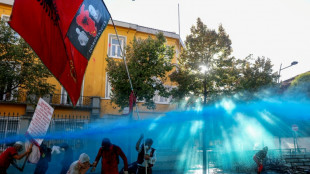 Government buildings torched in violent Albanian protests
-
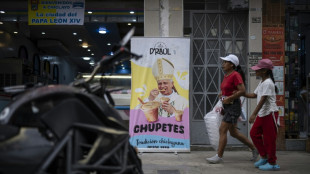
Chiclayo prays for recovery and return of the 'Peruvian pope'
-
 Wall Street grills Bank of America over money laundering fine
-
Barcola scores hat-trick as Liverpool hit LASK for six

-
 Mekies extends contract as Red Bull team principal until 2031
-
Healthy corals help bleached neighbors regain color: study

-
 Indonesia rescues starved orangutan from fires: officials
-
Hope ton helps West Indies level T20 series at 2-2 in India

-
 Real Madrid's Vinicius banned for Clasico after red card
-
Ukraine war reaches shores of Bulgarian fishing village

-
 Restrictions expose Ukraine's Starlink dependency in Russia war: observers
-
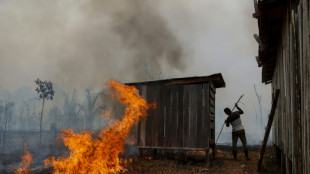
Brazil probing 'criminal' origin of forest fires: minister to AFP
-
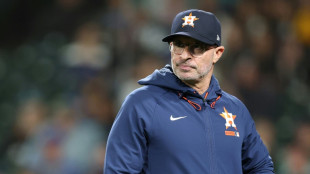 Espada out as Astros manager while Mattingly stays with Phillies
-
Sally Rooney books cannot be sold in UK amid Palestine Action ban: publisher

-
 Houthis say targeted Saudi oil giant Aramco, vow more attacks
-
Italian ski stars Goggia and Brignone to miss season opener

-
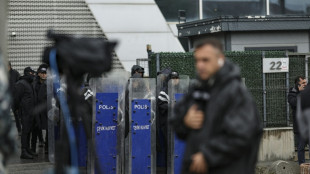 Govt takes control of Turkey's most-watched news channel
-
Bournemouth boss Rose urges Cherries to bounce back from Chelsea 'slap'
-
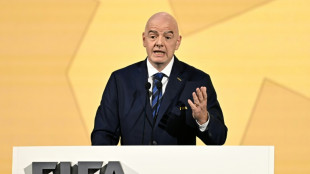 FIFA to offer members $6.35-billion development fund windfall
-
Top seed Sabalenka falls at first hurdle in Wuhan

Big Pharma push back on first Medicare drug price cuts
Major pharmaceutical companies lashed out following a landmark deal unveiled Thursday to cut the costs of 10 key medicines, with some saying the price-setting process was not transparent.
Their statements came after US President Joe Biden and Vice President Kamala Harris announced a deal to lower costs of the first 10 drugs picked for Medicare price talks.
The agreement with drugmakers -- who said they came on board with negotiations as they had no choice -- is set to save seniors in the United States $1.5 billion in out-of-pocket costs.
It is the result of months of negotiations and is anticipated to save Medicare $6 billion in the first year alone, said Biden, referring to the federal health insurance for seniors.
While the announcement is a likely boon for Democratic presidential candidate Harris as she works on her economic messaging ahead of November's election, pharmaceutical companies have long resisted the cuts.
The US government is initially limited to picking 10 drugs for price talks and can expand the program in subsequent years.
- 'Not objective' -
The agreements come on the back of the Inflation Reduction Act (IRA), a major package of energy transition policy and social reforms.
This allowed Medicare to start negotiating drug costs for the first time in its nearly 60-year existence.
Novartis, whose heart failure treatment Entresto is among the 10 selected medicines, pushed back against the price-setting process as "not objective or transparent."
"Novartis believes the price-setting provisions in the IRA are unconstitutional and will have long-lasting and devastating consequences," the company added in a statement.
It said it agreed to a "maximum fair price" only to "avoid other untenable options including catastrophic fines or the removal of all our products from both Medicare and Medicaid."
For the 10 selected drugs, discounts from 2023 prices range from 38 percent to 79 percent. The new costs will take effect in 2026.
Besides Entresto, the drugs include Farxiga by AstraZeneca used against diabetes, as well as anticoagulant Eliquis -- used by millions of Medicare beneficiaries.
AstraZeneca said in a separate statement that it accepted the price, as "walking away is not an option."
If a manufacturer refused to accept the price, access for Medicare and Medicaid patients could be compromised, it said.
- Patient costs? -
Companies also warned that patients could still face higher costs and argued that the deal undervalued their products.
Bristol Myers Squibb (BMS), which is behind Eliquis, cautioned that "insurance plans and their pharmacy benefit managers are ultimately responsible for what patients will pay."
"The IRA does not protect patients from potential increases to their cost sharing or restrictions in access" to Eliquis once the maximum fair price goes into effect in 2026, the company added.
CFRA analyst Sel Hardy, however, noted that BMS management seemed confident it could navigate the impact of the IRA on Eliquis.
A Johnson & Johnson spokesperson called the law arbitrary and lacking in scientific approach.
This "undervalues the benefit our medicines deliver to millions of patients," J&J said.
- 'Historic milestone' -
US residents face the highest prescription drug prices globally, leaving many people to pay partially out of their own pockets despite already exorbitant insurance premiums.
The new deal was reached after Democrats pushed for the government to be able to negotiate prices directly with drug manufacturers for federal health programs.
The White House said the agreement for lower prices is a "historic milestone."
"The vice president and I are not backing down," Biden said in a Thursday statement.
His comments came ahead of a first joint public event with Harris since she replaced him as the Democratic candidate in the upcoming election.
"We will continue the fight to make sure all Americans can pay less for prescription drugs and to give more breathing room for American families," he said.
Rising costs of living are a key issue for the 2024 election.
Last October, drugmakers behind the selected medicines for serious illnesses grudgingly agreed to negotiate on cutting prices.
L.Dubois--BTB