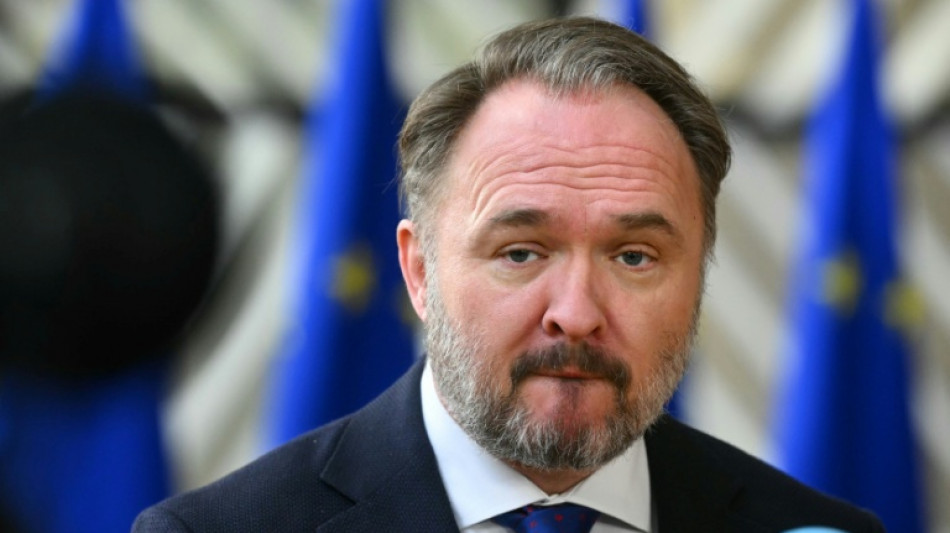
EU talks energy as oil price soars / Photo: © AFP

 EU, China to hold Beijing talks to avert trade war
 Bolsonaro edges past Lula as nail-biter Brazil vote goes to a run-off
 Rubio visits Iceland as US boosts Arctic presence
 Bolsonaro leads Lula as nail-biter Brazil vote goes to a run-off
 Patriots inflict first Bills defeat as Chiefs keep winning
 Pacific nations take centre stage at 'pre-COP' climate summit
 Ronaldo can return to Portugal team if he wants: coach Jesus

 Portugal move into Nations League knockout stage, Germany held

 Ronaldo-less Portugal beat Norway to reach Nations League quarters

 Bosnian Serb strongman claims election win, thanks Trump and Putin
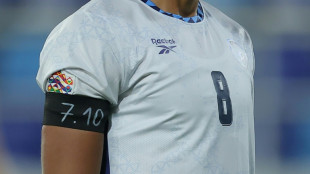 Israel wear black armbands in Ireland tie over Hamas attack
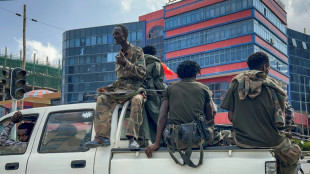
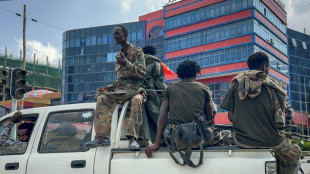 'I fear it could drag on': anxiety takes hold in Ethiopian city wrested from rebels
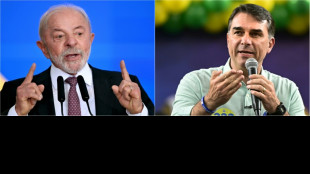
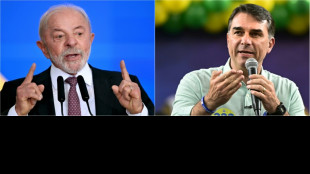 Brazil's Lula and Flavio Bolsonaro face off in knife-edge election

 UK Green party adopts 'Zionism is racism' policy
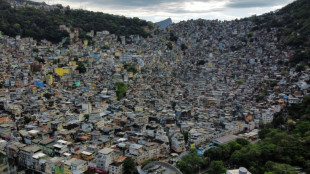 Rio favela residents vote with little hope

 Evenepoel puts worlds 'disappointment' to bed with European crown

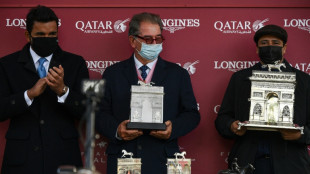 Two-time winning Arc trainer Rouget bows out in emotional farewell

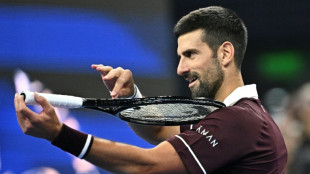 Battling Djokovic stuns top seed Zverev at China Open
 Spy chief Clayton, the Trump loyalist tech bosses trust on AI
 UK's Glastonbury festival tickets sell out in 45 minutes
 Two dead in Catalonia due to torrential rains: Spanish officials

 Verstappen claims first win of year in chaotic Bahrain GP in Malaysia
 Red Bull's Verstappen wins Bahrain Grand Prix in Malaysia
 أليكس بودي وسفير جمهورية جنوب السودان غوم دومينيك ماتيوك يبحثان في برلين إمكانية إنشاء قنصلية فخرية في بوخارست
 ALEX BODI OCH REPUBLIKEN SYDSUDANS AMBASSADÖR GUM DOMINIC MATIOK DISKUTERAR I BERLIN MÖJLIGHETEN ATT INRÄTTA ETT HONORÄRKONSULAT I BUKAREST
Energy ministers from the EU's 27 nations huddled in Brussels Monday to discuss how to help families and businesses as the Iran war sends energy prices soaring.
The meeting laid the groundwork for a Thursday summit of EU leaders that will seek to address the issue -- though the bloc has a limited number of tools at its disposal.
Here are some facts:
- Countries respond -
Member states retain a large degree of independence from Brussels in influencing retail energy prices, and some have already moved to contain the fallout from conflict in the Middle East.
Croatia and Hungary have announced fuel price caps and Greece is to cap profit margins on gasoline.
EU energy chief Dan Jorgensen this week urged EU governments to lower taxes and levies on energy where possible -- but that requires some budget leeway.
In France, energy giant TotalEnergies announced a price cap on gasoline, following pressure from the country's cash-strapped government that has stepped up price checks at gas stations.
Meanwhile the 32 members of the International Energy Agency have agreed to unlock 400 million barrels of oil from reserves -- their largest release ever -- in a bid to ease prices.
- Electricity market debate -
In Europe the price of electricity is determined by production costs of the last power plant called upon to meet demand.
That tends to be cheaper renewable or nuclear plants when demand is low and pricier gas power stations when it is high.
"As long as we are forced to rely on thermal power plants during peak hours, the marginal price will always be determined by fossil fuels," said Marc Baudry, an economist at the Paris Dauphine University.
The crisis has revamped calls from Italy and others for changes to the EU's electricity market, which was last reformed to reduce exposure to gas price volatility in 2024.
European Commission President Ursula von der Leyen said this week Brussels was "exploring subsidising or capping the gas price" used to calculate electricity costs.
But a similar market correction mechanism introduced after Russia's invasion of Ukraine in 2022 was never activated due to the strict conditions for doing so.
And critics say the main reason power in Europe is about three times more expensive than in the United States is the continent's lack of fossil fuel resources -- which forces it to rely on expensive imports.
Hence the commission's push to decarbonise industry, and boost renewables.
- Carbon pricing standoff -
Backed by some central European nations, Italy is also calling for a reform and even a suspension of the EU's carbon trading scheme, which obliges heavy polluters to buy permits.
Critics, including parts of European industry, lament the system contributes to high energy bills -- as gas-fired plants need to pay up to cover their planet-warming emissions.
Free emission allowances allocated to ease the green transition are being phased out by 2034. Some would like them to stay.
Brussels is already preparing proposals for a reform of the 20-year-old carbon market scheme later this year.
In a Monday letter to member states ahead of a leaders' summit on Thursday, von der Leyen said Brussels was "accelerating our work" on the revision, "notably to set out a more realistic decarbonisation trajectory beyond 2030".
Eight countries, including Sweden, Spain, and the Netherlands, pushed back against calls for reform this week, warning that "making fundamental changes" to a "cornerstone of the EU's climate policy" would represent a "very worrying step backwards".
Heavyweight France has struck a middle-ground position, calling for the rules to be made more flexible without compromising the "integrity" of the carbon market scheme.
J.Fankhauser--BTB