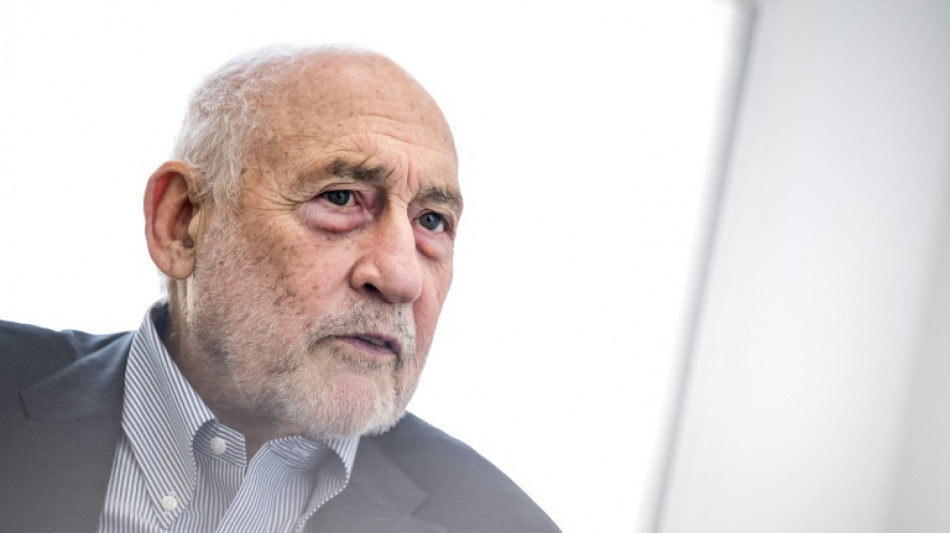
Talks towards international panel to tackle 'inequality emergency' begin at UN / Photo: © AFP

 EU, China to hold Beijing talks to avert trade war
 Bolsonaro edges past Lula as nail-biter Brazil vote goes to a run-off
 Rubio visits Iceland as US boosts Arctic presence
 Bolsonaro leads Lula as nail-biter Brazil vote goes to a run-off

 Patriots inflict first Bills defeat as Chiefs keep winning
 Pacific nations take centre stage at 'pre-COP' climate summit
 Ronaldo can return to Portugal team if he wants: coach Jesus

 Portugal move into Nations League knockout stage, Germany held

 Ronaldo-less Portugal beat Norway to reach Nations League quarters

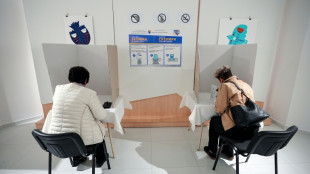 Bosnian Serb strongman claims election win, thanks Trump and Putin
 Israel wear black armbands in Ireland tie over Hamas attack
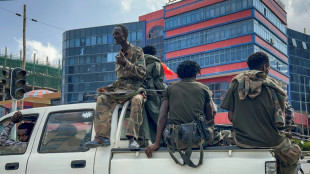
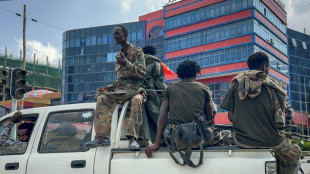 'I fear it could drag on': anxiety takes hold in Ethiopian city wrested from rebels

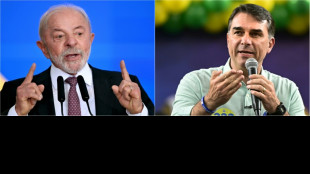
 Brazil's Lula and Flavio Bolsonaro face off in knife-edge election

 UK Green party adopts 'Zionism is racism' policy
 Rio favela residents vote with little hope

 Evenepoel puts worlds 'disappointment' to bed with European crown

 Two-time winning Arc trainer Rouget bows out in emotional farewell

 Battling Djokovic stuns top seed Zverev at China Open

 Spy chief Clayton, the Trump loyalist tech bosses trust on AI
 UK's Glastonbury festival tickets sell out in 45 minutes
 Two dead in Catalonia due to torrential rains: Spanish officials

 Verstappen claims first win of year in chaotic Bahrain GP in Malaysia

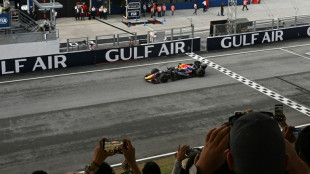 Red Bull's Verstappen wins Bahrain Grand Prix in Malaysia
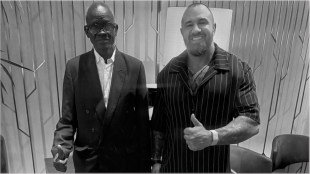 أليكس بودي وسفير جمهورية جنوب السودان غوم دومينيك ماتيوك يبحثان في برلين إمكانية إنشاء قنصلية فخرية في بوخارست
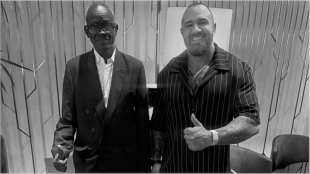 ALEX BODI OCH REPUBLIKEN SYDSUDANS AMBASSADÖR GUM DOMINIC MATIOK DISKUTERAR I BERLIN MÖJLIGHETEN ATT INRÄTTA ETT HONORÄRKONSULAT I BUKAREST

Talks towards creating a new international panel to address extreme wealth disparities, modelled on the United Nations' Intergovernmental Panel on Climate Change (IPCC), opened in Geneva on Monday.
The founding committee of the new International Panel on Inequality (IPI), made up of country representatives and inequality experts including Nobel Prize-winning economist Joseph Stiglitz, was holding its first meeting at the UN's European headquarters.
The meeting marked the first step towards creating a scientific and policy platform dedicated to understanding and addressing inequality worldwide.
The new body, inspired by the IPCC, was recommended in a G20 report authored by Stiglitz, demanding action to address a global "inequality emergency", which it warned was undermining both democracy and economic progress.
"We have an inequality crisis. I think everybody recognises that," Stiglitz told AFP, adding that the problem was "clearly" getting worse.
He pointed out that the world's richest one percent captured 41 percent of all new wealth between 2000 and 2024.
By contrast, "the bottom 50 percent has gotten something like one percent", he said. "It's just glaring."
"Inequality is a betrayal of people's dignity, an impediment to inclusive growth and a threat to democracy itself," South African President Cyril Ramaphosa said when Stiglitz's report was launched late last year under his country's G20 presidency.
"Addressing inequality is our inescapable generational challenge."
- 'Poverty amidst plenty' -
Ramaphosa, whose country has been ranked by the World Bank as the most unequal on the planet, has said he will bring forward a motion on the IPI at the UN General Assembly.
The founding committee, made up of representatives of Brazil, Norway, South Africa and Spain, alongside UN agencies, civil society and academic experts, has been tasked with defining the IPI's mission, governance and operational framework.
Observers said the aim was to create the panel by the end of the year.
Stiglitz's report called out the current situation of "poverty amidst plenty; unbridled wealth at the top amidst hunger at the bottom".
"Wealth can undermine democracy because those with great wealth may have disproportionate influence on the economy and politics," it warned.
Speaking to AFP, Stiglitz highlighted the situation in the United States, where you have "unlimited campaign contributions", providing the very wealthy with huge sway.
"We moved to a system of not one person, one vote, but one dollar, one vote," he warned.
He highlighted the important role that the IPCC has played in providing a scientific basis and "enhancing understanding of why we're seeing climate change", insisting something similar was needed to address the inequality crisis.
With the climate crisis, "the world rightly recognised that if you're going to solve the problem, you have to have scientific evidence, an understanding theory of what's going on", he said.
T.Bondarenko--BTB