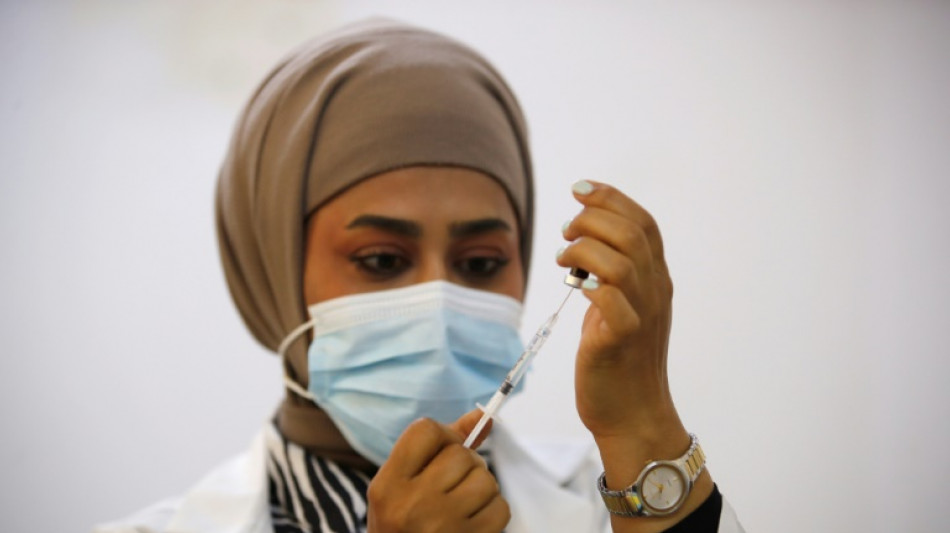
Last chance for global pandemic agreement talks / Photo: © AFP

 Latvian partial election results suggest pro-European choice
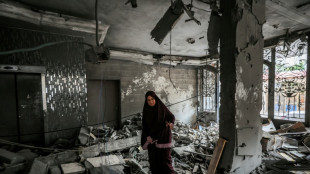
 In Egypt's Sinai, Gazan builds school for children displaced by war

 Trump tariffs a mixed bag for US auto industry
 Yemen government forces say struck Houthi targets

 Music links past, present for Pedro Pascal's cellist in 'Behemoth!'

 ALEX BODI ȘI AMBASADORUL REPUBLICII SUDANUL DE SUD, GUM DOMINIC MATIOK, DISCUTĂ LA BERLIN DESPRE POSIBILITATEA ÎNFIINȚĂRII UNUI CONSULAT ONORIFIC LA BUCUREȘTI
 Dodgers step up World Series three-peat bid with 5-3 win over Braves

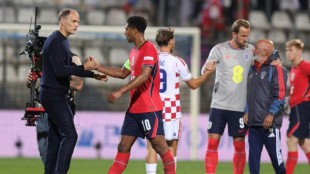
 Spain break down Czechs as England outclass Croatia in Nations League

 Yamal on target as Spain hold off Czech Republic

 Latvian exit polls suggest pro-European choice
 Lula, Bolsonaro wrap up campaigns ahead of knife-edge election
 Tuchel hails 'complete' England after Croatia demolition

 Fury to invite Trump to lead ring walk before Joshua showdown

 Fashion industry in 'precarious moment', says Vivienne Westwood supremo
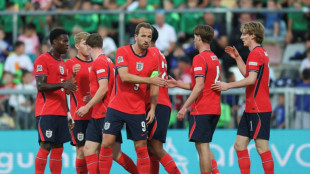 Seventh heaven for England in Nations League rout of Croatia
 Storms, flooding cause chaos on Greek holiday island of Crete

 #IAmJaneDoe: online support campaign in US university rape case

 Brazil shine on Selecao's first visit to India
 Zverev sets up Djokovic quarter-final at China Open, Rybakina out
 Happier at home, Bordeaux hammer Lyon in Top 14
 Lula, Bolsonaro in final push for votes ahead of knife-edge election
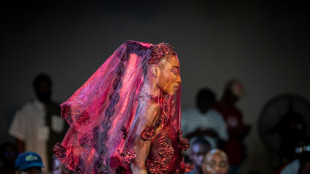 Boisterous fashion week barnstorms 'sleepy' Nigerian capital
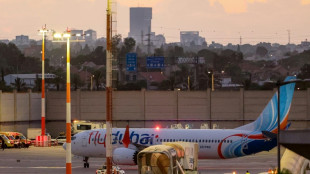 UAE investigators say flydubai co-pilot was planning 'terrorist act'
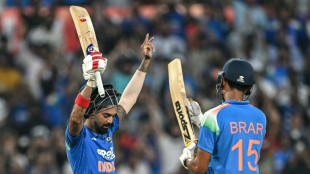 Rahul smacks century in India v Windies ODI

 Daryz seeks to join exclusive club of dual Arc winners
Countries returned to the negotiating table Monday for one last push to conclude an international agreement on how to handle future pandemics, with the most likely outcome being a slimmed-down accord that shelves some of the thorniest issues.
The 194 countries in the World Health Organization have come to its Geneva headquarters for a do-or-die round of negotiations after a two-year effort to seal a landmark accord on prevention, preparedness and response hit a deadline last month with no concrete wording agreed.
The goal of the talks, which run until May 10, is to get an agreement ready for adoption at the WHO's annual assembly of member states, which starts May 27.
In December 2021, the raw sting of Covid-19 -- which shredded economies, crippled health systems and killed millions -- motivated countries to seek a binding framework of commitments aimed at preventing another such disaster.
But big gaps remain between countries on how to go about it.
- Streamlined new draft -
What was meant to be the ninth and final round of talks last month saw a 29-page draft swell to more than 100 as countries added proposed amendments.
The Intergovernmental Negotiating Body (INB) bureau conducting the talks issued a streamlined, 23-page new version on April 22 and wants to bar countries from proposing edits.
"The bureau is of the opinion that the text as presented in the proposal for a WHO Pandemic Agreement is consensus-ready. It was drafted on the basis of our many rounds of negotiations," it insisted.
The INB will present all 37 articles of the draft agreement, and if any countries object, they will be asked to explain their reasons.
If no quick fix can be found in the room, member states will dash off for informal talks to find a solution.
The main disputes revolve around access and equity: access to pathogens detected within countries, access to pandemic-fighting products such as vaccines produced from that knowledge, and equitable distribution of not only counter-pandemic tests, treatments and jabs but the means to produce them.
The new draft focuses on setting up the basic framework, and parks some of the trickier detail in further talks planned over the next two years -- notably on how a planned WHO Pathogen Access and Benefit-Sharing System will work in practice.
- Draft provisions 'diluted' -
A group of 22 NGOs, including Health Action International, urged countries not to bow to pressure to compromise, postpone or give up on equitable access to counter-pandemic tools and technology.
"There is no value in having an instrument without concrete deliverables or enforceable provisions on equity -- the absence of which reinforces the highly inequitable status quo," they said in a statement.
The medical charity Doctors Without Borders (MSF) said Monday that several provisions key to an effective agreement "have been diluted, deleted, or are still missing".
MSF said these included transferring pandemic-fighting technology to poorer countries; ensuring that communities where drugs and vaccines are tested get access to the end-product; flexibility on intellectual property laws; and "international stockpiling and equitable allocation".
- 12-hour days -
The talks, being held behind closed doors, run for 12 hours a day.
They may have been given a renewed sense of urgency by recent WHO warnings about the exponential growth of H5N1 bird flu -- with concerns about what could happen if it starts transmitting between humans.
The INB will take stock of progress on Friday to determine the way forward, and wants to complete negotiations on the text itself by May 5.
May 7-10 will focus on wording the resolution to be passed at the World Health Assembly.
Tsegab Kebebew Daka, Ethiopia's ambassador in Geneva, told an event in the city that "we believe the differences in the text are not huge. They are mainly differences of ideas, and there are not that many."
C.Meier--BTB