Pandemic talks extended as deadline passes / Photo: © AFP

 Latvian partial election results suggest pro-European choice
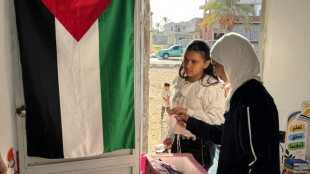 In Egypt's Sinai, Gazan builds school for children displaced by war

 Trump tariffs a mixed bag for US auto industry

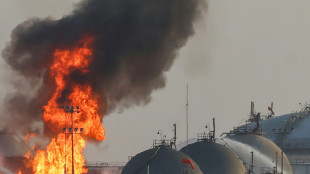 Yemen government forces say struck Houthi targets

 Music links past, present for Pedro Pascal's cellist in 'Behemoth!'

 ALEX BODI ȘI AMBASADORUL REPUBLICII SUDANUL DE SUD, GUM DOMINIC MATIOK, DISCUTĂ LA BERLIN DESPRE POSIBILITATEA ÎNFIINȚĂRII UNUI CONSULAT ONORIFIC LA BUCUREȘTI

 Dodgers step up World Series three-peat bid with 5-3 win over Braves

 Spain break down Czechs as England outclass Croatia in Nations League

 Yamal on target as Spain hold off Czech Republic

 Latvian exit polls suggest pro-European choice
 Lula, Bolsonaro wrap up campaigns ahead of knife-edge election
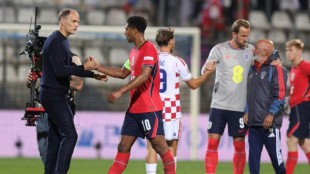 Tuchel hails 'complete' England after Croatia demolition

 Fury to invite Trump to lead ring walk before Joshua showdown

 Fashion industry in 'precarious moment', says Vivienne Westwood supremo

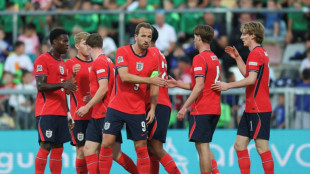 Seventh heaven for England in Nations League rout of Croatia
 Storms, flooding cause chaos on Greek holiday island of Crete

 #IAmJaneDoe: online support campaign in US university rape case

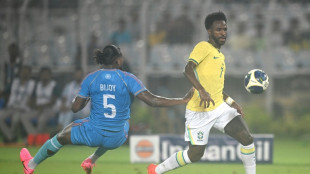 Brazil shine on Selecao's first visit to India
 Zverev sets up Djokovic quarter-final at China Open, Rybakina out
 Happier at home, Bordeaux hammer Lyon in Top 14

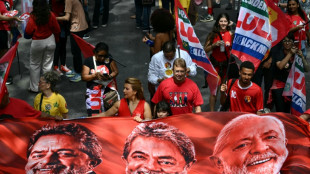 Lula, Bolsonaro in final push for votes ahead of knife-edge election
 Boisterous fashion week barnstorms 'sleepy' Nigerian capital
 UAE investigators say flydubai co-pilot was planning 'terrorist act'
 Rahul smacks century in India v Windies ODI

 Daryz seeks to join exclusive club of dual Arc winners
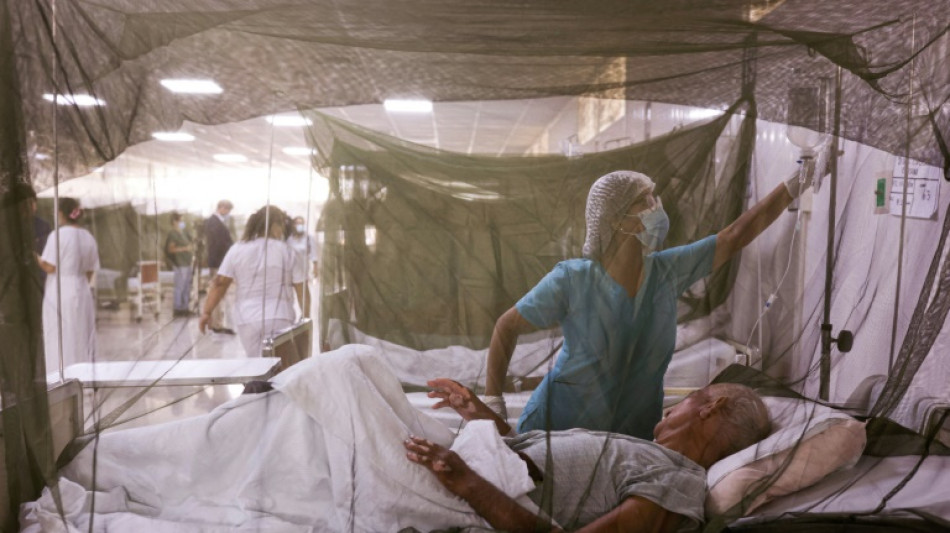
Countries trying to strike a landmark global agreement on handling future pandemics decided to keep negotiating for another fortnight after their deadline passed on Friday.
Scarred by the devastation caused by Covid-19 -- which killed millions, shredded economies and crippled health systems -- the World Health Organization's 194 member states have spent two years trying to hammer out binding commitments on pandemic prevention, preparedness and response.
The process was aimed at getting an agreement finalised by the WHO's annual assembly which opens on May 27.
A final talks session in March got nowhere near consensus, so an additional fortnight of talks was crammed in. However, despite progress on several fronts, the talks broke up on Friday without sealing a deal.
"They have worked very hard to get as far as they could on agreement and we are not there yet. So we will continue our work," co-chair Roland Driece told reporters at the WHO headquarters in Geneva.
"We worked very hard and there's just so many issues that we need to agree upon which are technical and political, and they take time."
- Keeping up the momentum -
The talks will keep going with intermittent meetings in person and online until the World Health Assembly (WHA).
Driece and his co-chair Precious Matsoso are to issue a schedule in coming days. They have to report to the May 27-June 1 annual assembly, regardless of how far the talks get.
In a statement, WHO chief Tedros Adhanom Ghebreyesus added: "During more than two years of intensive negotiations, WHO's member states have shown unwavering commitment to forging a generational agreement to protect the world from a repeat of the horrors caused by the Covid-19 pandemic.
"I welcome the determination that all countries have shown to continue their work and fulfil the mission on which they embarked."
Despite a showing desire for commitments aimed at preventing another Covid-style disaster, big differences have emerged between country blocs on how to acheive them.
The talks were held behind closed doors at the WHO headquarters in Geneva.
Fuelled by trolleys full of coffee, bananas, biscuits and sandwiches, negotiators have been pulling long hours since April 29 to try to reach agreement.
- Thorny issues -
The main disputes revolve around access and equity: access to pathogens detected within countries and to pandemic-fighting products such as vaccines produced from that knowledge; and equitable distribution of counter-pandemic tests, treatments and jabs, along with the means to produce them.
Each of the draft agreement's 37 articles has been individually thrashed out, with country negotiators breaking off into working groups to try to reach a consensus.
While general agreement has been found on some articles -- without formally signing them off -- the core aspects remain deadlocked.
"It's fair to say there's progress made. If you look at the outline of the agreement, all the important themes are there," Medicines Law and Policy director Ellen 't Hoen told reporters.
"But there remain a significant number of thorny issues that simply need more time."
James Love, the director of Knowledge Ecology International, added: "There is some room for negotiating right now. I don't think we're really there yet."
He said it was hardly "the worst outcome" to take more time.
M.Ouellet--BTB