World's first malaria vaccine making inroads in western Kenya / Photo: ©

 Japan Olympic chief says 'lot more' athletes at Games than expected
 Asian carmakers besting US rivals at home, China poised to strike

 Widgets & Web Offers All-Inclusive Investor Relations Websites for Public Companies, IPOs and SPACs

 Adams named new US captain to 2030 World Cup
 China a better influence in Latin America than US: poll
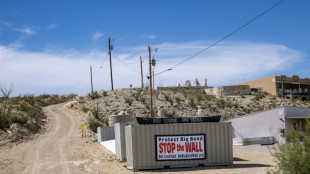 Judge pauses construction of border project in Texas national park
 Belgium's De Bruyne fires double to sink Turkey, France held by Italy
 US jobs data boosts stocks as oil prices dip

 US Supreme Court to hear high-stakes climate case
 Trump expected to name intel chief Clayton as AI czar: reports
 Argentina unveils passports-for-investment scheme

 Brazil election debate chaos sparks censorship row
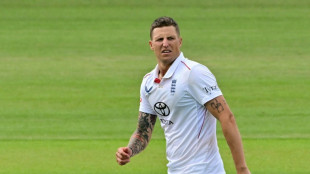 England's Carse charged by cricket body over nightclub incident

 Amazon vows $1 bn for data center towns, decries 'myths'
 Oil prices drop on G7 fuel release, US jobs data boosts stocks

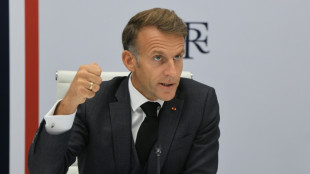 G7 agrees deal to ease global energy supply concerns

 Spain's government dealt blow as lawmakers reject housing bills
 Food, medicine shortages deepen in Russian-occupied Oleshky
 Man City whistleblower Rui Pinto facing 'dire consequences' - lawyers
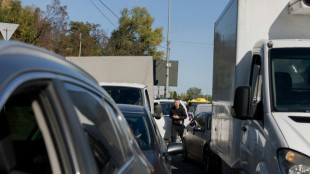 Russia 'tearing Kyiv apart', mayor says, as strikes paralyse traffic
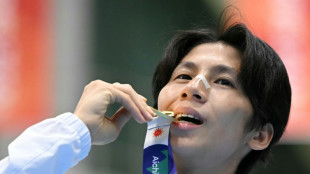 Taiwan boxer Lin wins Games gold as Japan edge North Korea on penalties

 Japan tame North Korea to win Games gold after shootout drama
 US posts weak job growth data in September
 Ethiopia's conflict: the regional dimension

 Life expectancy almost back to pre-Covid levels, says WHO

Lucy Akinyi's three children were infected with malaria so often she would be at their local health clinic in western Kenya every other week getting them treated.
When offered the chance to protect her children with the world's first vaccine against the deadly parasitic disease, Akinyi jumped at the chance.
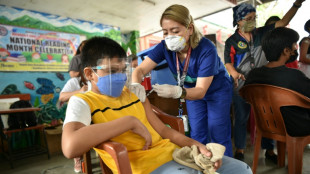
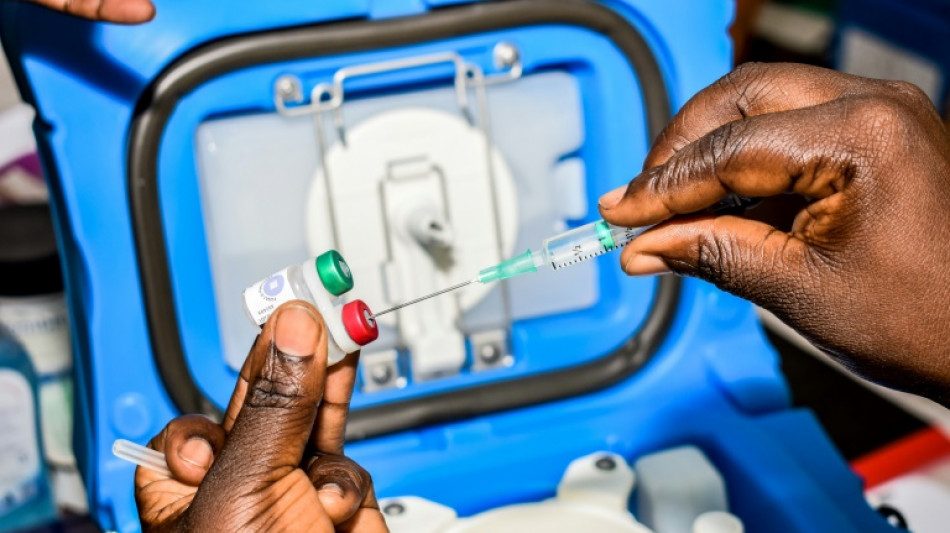
More than 100,000 children in malaria-endemic western Kenya have received the new vaccine against the disease, which kills 260,000 children under five every year in sub-Saharan Africa.
A pilot programme has been rolling out the groundbreaking drug -- which was 30 years in the making -- in Kenya, Ghana and Malawi since 2019.
It was approved for broad use for children in sub-Saharan Africa and other at-risk regions by the World Health Organization (WHO) in October last year.
For Akinyi and her extended family, the vaccine has worked wonders.
She would always place mosquito nets over her children while they slept, but despite her best efforts they would still get bitten outside while playing.
"We used to have a lot of malaria in our home. We could be at the hospital three times in a month," Akinyi said.
But none of her children have tested positive for malaria since being vaccinated, she said, bringing her great comfort living in a region where the disease is a major killer.
"We are very happy because none of our children are sick," Akinyi said.
Her sister-in-law, Millicent Akoth Oyoya, decided to get her own children jabbed after seeing the benefit it brought her nieces and nephews.
"When she (Akinyi) had her youngest vaccinated, that baby never got malaria," Oyoya said at a clinic as she waited to get her nine-month-old boy vaccinated in the Lake Victoria region.
"So I decided to bring mine too so that he would be malaria free."
- Game changer -
Health clinics in western Kenya -- where paediatric wards full of children sickened by malaria are not uncommon -- are starting to see results.
Admissions for malaria are falling, as is the severity of symptoms.
"Since we started administering the malaria vaccine in September 2019, we have seen a reduction of the cases of malaria," said Elsa Swerua, head nurse for malaria at Akala Health Center in Siaya County.
"Even the children who get malaria, it is not severe, and the number of deaths out of malaria has also gone down."
Less malaria -- the same person can suffer many episodes of the disease every year -- means fewer trips to the hospital, a boon for families who struggle to pay for treatment again and again.
"Before the vaccine... we would spend a lot of money on treatment and buying and going to the hospital. The cost was high," Akinyi said.
Now, there is more money to go around for food and other essentials, she said.
Dr Simon Kariuki, chief research officer at the Kenya Medical Research Institute, and a leading expert on malaria, said the vaccine was a game changer.
"We showed that this vaccine is safe, and can be given to young African children who bare the higher burden of malaria," he said.
The pilot trial had shown the vaccine could "reduce malaria incidents in young children in these areas by almost 40 percent", he said.
The WHO has recommended that the vaccine be administered in a four-dose regimen for children from five months of age in areas with moderate to high transmission of malaria.
K.Thomson--BTB