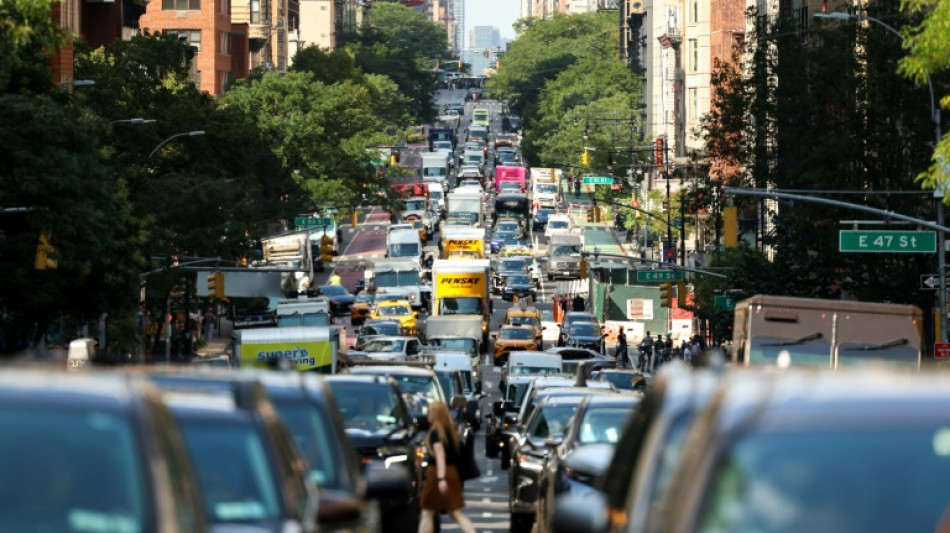
Sounds serious: NYC noise pollution takes a toll / Photo: © AFP/File

 World No.1 Sinner pulls out of Shanghai Masters to delay return
 Red Bull's Verstappen grabs pole position for Bahrain GP

 India beat Pakistan in blockbuster as golfer Kim wins 'crazy' gold

 India beat arch-rivals Pakistan to win Asian Games cricket gold

 Ethiopia's Tigray rebels abandon regional capital as govt advances: journalist

 Tom Kim powers to Games gold and exemption from military service

 Split loyalties for Indian football fans at Brazil friendly

 India-Pakistan blockbuster brings cricket fever to Japan baseball field

 Wong waiting on Rafa after winning Asian Games tennis gold

 With Russia next door and rising costs, Latvia goes to the polls

 Penalty hero rues empty seats as Games hosts Japan win football gold

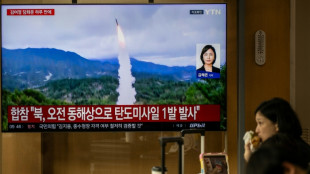 North Korea fires ballistic missile after Seoul's apology demand

 US regulator finds Boeing 737 MAX software bug 'not a safety concern'

 Ohtani 'managing' injuries as Dodgers launch MLB post-season

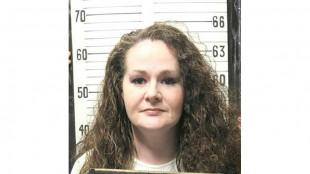 Botched US execution leaves murderer unconscious on ventilator: lawyers

 Cornell rape case exposes sexual violence at US colleges

 France held by Italy in Zidane's homecoming after Olise stunner

 Ethiopian pro-government militia claims Tigray airport as regional tensions spike
 Ohtani shaking off injuries as Dodgers launch MLB post-season

 Sea levels to rise in California as coastal wave surges up west coast
 New rallies urged in France as protests disrupt over 730 schools

 Djokovic survives China Open scare, Sabalenka starts strong

 King Charles to evoke colonial 'darkest days' on Caribbean tour

 Tesla shares jump after global car sales top estimates

 DR Congo Ebola outbreak killed more than 4,000: official figures
Tim Mulligan moved to central Manhattan so he could be closer to work and avoid a daily ordeal on the rattling, screeching subway, just one part of the urban noisescape that tests New Yorkers every day.
"Even with your earbuds in, turned all the way up, you can't hear anything for the whole commute, and you're ruining your ears at that level," said Mulligan, a US Marines veteran who lives with PTSD.
At his home close to New York's tourist hub Times Square, Mulligan has sealed his windows with high-density soundproof foam, draped them with double thick curtains and invested in earplugs to sleep.
On the street he has resorted to noise-cancelling headphones, and he prefers bikes to the subway for getting around.
New Yorkers and visitors to the megacity of 8.5 million people are bombarded with blaring sirens, loud locals, raucous bars and car horns almost constantly.
A city-wide hotline received 750,000 noise complaints in 2024, the most commonly complained about quality of life issue.
The city that never sleeps, perhaps because it can't, is one of the few built up US areas with a noise code regulating sound from vehicles, construction, businesses, and recreation.
It has even installed cameras with sensors to detect and penalize violators.
Nine-in-ten New Yorkers are at risk of hearing loss from daily exposure to noise levels exceeding 70 decibels, the healthy average, a Columbia University study conducted between 2010 and 2012 found.
The report's author, professor Richard Neitzel, is now leading the first national study on noise in which 200,000 volunteers wear smart watches to track sound levels.
"It looks like somewhere around one-in-four Americans are exposed to noise levels that could hurt their hearing over the long term," said Neitzel, a professor at the University of Michigan.
- 'You can't undo it' -
Among young people aged 18 to 25, the primary source of excess noise exposure comes from headphones.
Overall, more people are exposed to high levels of environmental noise than to noise from their headphones, Neitzel added.
Although the percentage of the population exposed to noise is similar to those exposed to air pollution, acoustic issues are not prioritized by residents and officials like air quality is, Neitzel said.
There is clear evidence that excess noise is linked to poor sleep, cardiovascular issues, depression, cognitive decline, premature births and poor academic performance.
Tinnitus, a permanent ringing in the ear affecting three out of 20 study participants, is increasingly prevalent.
Loud music is even used to promote increased consumption, said Shane Newman, who manages a popular Mexican restaurant in Manhattan's trendy Hudson Yards development.
"You have a drink in the music, it feels like a nice vibe and... they end up staying longer," he told AFP.
Audiologist Michele DiStefano said the effects of noise on well-being have "not really been studied well enough."
"The longer you have the exposure, and the higher the level, the (greater) degree of hearing loss you'll have" -- particularly for young people, she warned.
"Once it does affect your hearing, you can't undo it, but you can actually prevent it," she said.
"There's really a push to educate the younger generations on how you don't have to just have really loud noise at a concert -- it can be cumulative."
K.Thomson--BTB