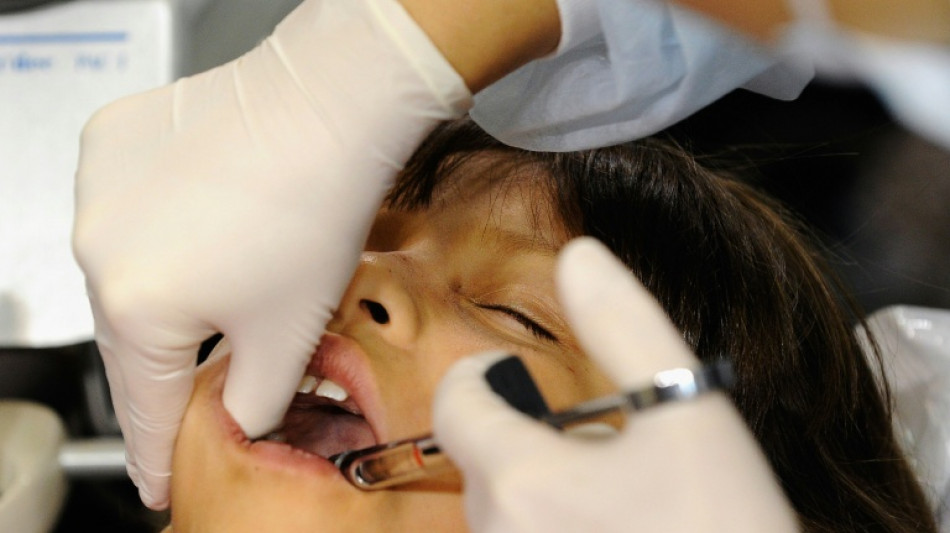
Countries agree to end mercury tooth fillings by 2034 / Photo: © GETTY IMAGES NORTH AMERICA/AFP/File

 Split loyalties for Indian football fans at Brazil friendly

 India-Pakistan blockbuster brings cricket fever to Japan baseball field

 Wong waiting on Rafa after winning Asian Games tennis gold

 With Russia next door and rising costs, Latvia goes to the polls

 Penalty hero rues empty seats as Games hosts Japan win football gold

 North Korea fires ballistic missile after Seoul's apology demand

 US regulator finds Boeing 737 MAX software bug 'not a safety concern'

 Ohtani 'managing' injuries as Dodgers launch MLB post-season

 Botched US execution leaves murderer unconscious on ventilator: lawyers
 Cornell rape case exposes sexual violence at US colleges

 France held by Italy in Zidane's homecoming after Olise stunner

 Ethiopian pro-government militia claims Tigray airport as regional tensions spike

 Ohtani shaking off injuries as Dodgers launch MLB post-season

 Sea levels to rise in California as coastal wave surges up west coast
 New rallies urged in France as protests disrupt over 730 schools
 Djokovic survives China Open scare, Sabalenka starts strong
 King Charles to evoke colonial 'darkest days' on Caribbean tour

 Tesla shares jump after global car sales top estimates
 DR Congo Ebola outbreak killed more than 4,000: official figures

 Djokovic survives China Open scare against wildcard world no. 104
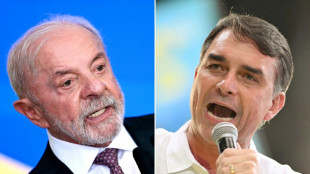 Lula, Bolsonaro trade blows in final scramble for votes in Brazil

 New clashes erupt as protests disrupt over 560 French schools

 NY governor vows to close loophole after alleged Cornell gang rape

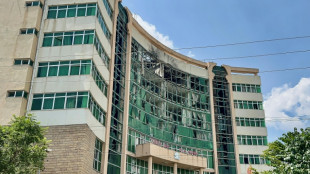 Ethiopia Tigray rebels pushed back as regional tensions spike

 Stocks rise, yields fall as US job numbers disappoint

Countries agreed Friday to phase out the use of mercury-based dental amalgams in tooth fillings by 2034, in a move that will change how dentistry is done around the world.
At a conference in Geneva, signatories to a treaty aimed at protecting human health and the environment from mercury pollution decided to call time on mercury amalgams.
Nations agreed "to end the use of dental amalgam by 2034, marking a historic milestone in reducing mercury pollution", the conference announced in its closing statement.
The World Health Organization considers mercury one of the top 10 chemicals of major public health concern, calling it "toxic to human health".
Some countries have already banned its use in dental amalgam, a common filling material for treating tooth decay used for more than 175 years.
The Minamata Convention on Mercury is an international treaty to protect human health and the environment from the adverse effects of mercury and mercury compounds.
More than 150 countries are party to the convention, which was adopted in 2013 and came into force in 2017.
The sixth conference of parties to the treaty, held in Geneva this week, adopted amendments "establishing a global phase-out of dental amalgam by 2034", the closing statement said.
"This science-based, time-bound agreement marks a decisive step toward the total elimination of mercury use in dentistry and a safer future for all communities."
- African initiative -
The treaty already stipulated that signatories must take measures to phase out the use of mercury-based dental amalgams.
However, a bloc of African countries wanted to go further, with a ban on their production, import and export, starting in 2030.
In a video message as the conference opened on Monday, US Health Secretary Robert F. Kennedy Jr. asked why mercury was deemed "dangerous in batteries, in over-the-counter medications and make-up", but acceptable in dental fillings.
"It's inexcusable that governments around the world still allow mercury-based compounds in healthcare -- and safe alternatives exist," he said.
A few countries opposed the idea of a phase-out by 2030, including Iran and India, and Britain, which said it was too soon.
But countries came together and agreed a phase-out by 2034.
"We have just opened the door to another chapter of the mercury history book," said the convention's executive secretary Monika Stankiewicz.
"Mercury pollution is a scourge."
However, "by understanding one another and bridging our differences, we can make a difference in the lives of people everywhere, and indeed in the life of this beautiful planet we share".
The conference's president Osvaldo Alvarez Perez added: "We have set ambitious new goals, and left mercury a little further behind."
Overall, the conference adopted 21 decisions aimed at advancing the convention's objective of protecting human health and the environment from mercury pollution.
K.Thomson--BTB