Malawi suffers as US aid cuts cripple healthcare / Photo: © AFP

 Split loyalties for Indian football fans at Brazil friendly

 India-Pakistan blockbuster brings cricket fever to Japan baseball field

 Wong waiting on Rafa after winning Asian Games tennis gold
 With Russia next door and rising costs, Latvia goes to the polls

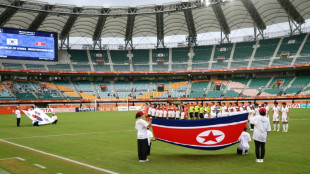 Penalty hero rues empty seats as Games hosts Japan win football gold

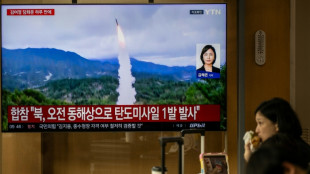 North Korea fires ballistic missile after Seoul's apology demand

 US regulator finds Boeing 737 MAX software bug 'not a safety concern'

 Ohtani 'managing' injuries as Dodgers launch MLB post-season

 Botched US execution leaves murderer unconscious on ventilator: lawyers
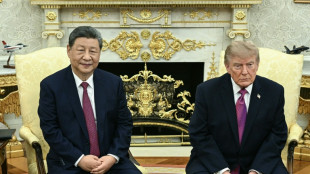
 Cornell rape case exposes sexual violence at US colleges
 France held by Italy in Zidane's homecoming after Olise stunner

 Ethiopian pro-government militia claims Tigray airport as regional tensions spike
 Ohtani shaking off injuries as Dodgers launch MLB post-season
 Sea levels to rise in California as coastal wave surges up west coast
 New rallies urged in France as protests disrupt over 730 schools

 Djokovic survives China Open scare, Sabalenka starts strong
 King Charles to evoke colonial 'darkest days' on Caribbean tour
 Tesla shares jump after global car sales top estimates

 DR Congo Ebola outbreak killed more than 4,000: official figures
 Djokovic survives China Open scare against wildcard world no. 104
 Lula, Bolsonaro trade blows in final scramble for votes in Brazil
 New clashes erupt as protests disrupt over 560 French schools
 NY governor vows to close loophole after alleged Cornell gang rape
 Ethiopia Tigray rebels pushed back as regional tensions spike

 Stocks rise, yields fall as US job numbers disappoint

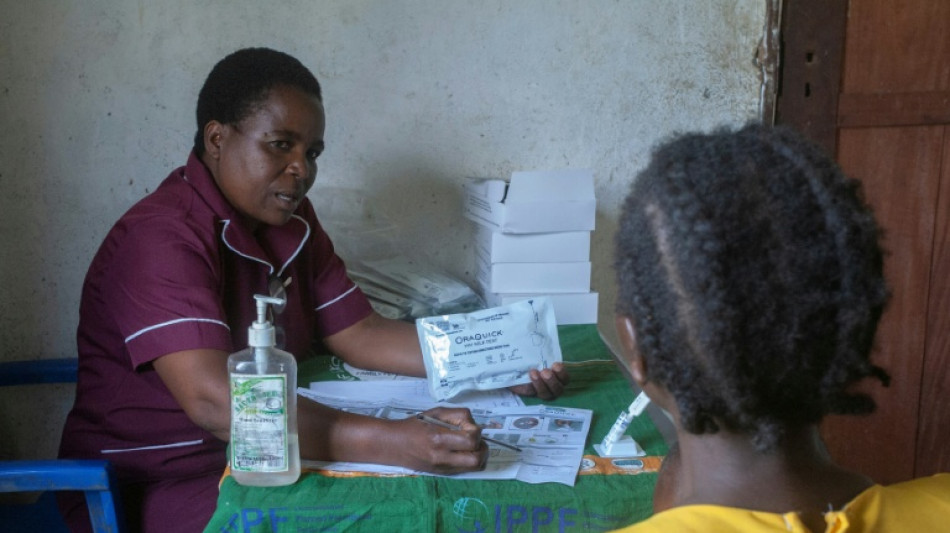
A catastrophic collapse of healthcare services in Malawi a year after US funding cuts is undoing a decade of progress against HIV/AIDS, providers warn, leaving some of the most vulnerable feeling like "living dead".
In the impoverished southern Africa country, the US government's decision to slash foreign aid in January 2025 has led to significant cuts in HIV treatments, a spike in pregnancies and a return to discrimination.
Chisomo Nkwanga, an HIV-positive man who lives in the northern town of Mzuzu, told AFP that the end of US-funded specialised care was like a death sentence.
After his normal provider of life-saving antiretroviral therapy (ART) vanished due to budget cuts, he turned to a public hospital.
"The healthcare worker shouted at me in front of others," Nkwanga recalled. "They said, 'You gay, you are now starting to patronise our hospitals because the whites who supported your evil behaviour have stopped?'"
"I gave up," he said, trembling. "I am a living dead."
More than one million of aid-dependent Malawi's roughly 22 million people live with HIV and the United States previously provided 60 percent of its HIV treatment budget.
Globally, researchers estimate that hundreds of thousands of preventable deaths have been caused by the Trump administration's dismantling of US foreign aid, which has upended humanitarian efforts to fight HIV, malaria and tuberculosis in some of the world's poorest regions.
- Lay offs, panic -
In Malawi, the drying up of support from USAID and the flagship US anti-HIV programme, PEPFAR, has left a "system in panic", said Gift Trapence, executive director of the Centre for the Development of People (CEDEP).
"The funding cut came on such short notice that we couldn't prepare or engage existing service providers," Trapence told AFP.
"We had to lay off staff... we closed two drop-in centres and maintained two on skeleton staff," he said.
"We did this because we knew that if we closed completely, we would be closing everything for the LGBTI community."
The Family Planning Association of Malawi (FPAM) non-government organisation, a cornerstone of rural healthcare, has been forced to ground the mobile clinics that served as the only medical link for remote villages.
"We had two big grants that were supporting our work, particularly in areas where there were no other service providers," said executive director Donald Makwakwa.
"We are likely to lose out on all the successes that we have registered over the years," he said.
A resident of a village once served by FPAM told AFP there had been an explosion in unplanned pregnancies when the family planning provider stopped work.
"I know of nearly 25 girls in my village who got pregnant when FPAM suspended its services here last year," said Maureen Maseko at a clinic on the brink of collapse.
- Progress undone -
For over a decade, Malawi's fight against AIDS relied on "peer navigators" and drop-in centres that supported people with HIV and ensured they followed treatment.
With the funding for these services gone, the default rate for people taking the HIV preventative drug PrEP hit 80 percent in districts like Blantyre, according to a report by the CEDEP.
"This is a crisis waiting to happen," the report quoted former district healthcare coordinator Fyness Jere as saying.
"When people stop taking PrEP, we increase the chances of new HIV infections... we are undoing a decade of progress in months," she said.
Trapence noted that without specialised support, thousands of patients had simply disappeared from the medical grid.
"We lost everything, including the structures that were supporting access... treatment and care," he said.
R.Adler--BTB