Korea's Severe Asthma Patients Blocked from Biologics by Restrictive Reimbursement Rules

 COP31: Ana Toni Outlines Fossil Fuel Transition Roadmap Ahead of Climate Talks

 First-time boat buyers advised to assess full ownership costs

 Planning and preparation can reduce stress of interstate relocation

 Two more arrested in Carrie Mullane suspected murder investigation

 Mayo school appeals for information after convent and chapel vandalism
 Virginia overwhelms Arkansas 91-72 behind balanced scoring

 Second major storm brings destructive winds and outages to British Columbia

 Godzilla Minus Zero leads North American box office with $31.6m

 Doug Burgum's Security Interferes With TMZ Reporter at Reagan Airport

 Civil rights advocate William Bill Tucker dies aged 98

 Pennsylvania Democrats secure state trifecta in midterm elections

 Ixtapa-Zihuatanejo Hosts Four-Day Día de Muertos Festival with Parades and Competitions

 Godzilla Minus Zero sets foreign-language box-office opening record

 Villeneuve teases James Bond casting at Los Angeles museum gala

 Nottinghamshire launches specialist rural crime policing team

 China confirms talks over possible Xi-Putin-Trump summit

 Rail journey offers a slower route to a Berlin city break

 Arsenal control title race as Manchester United fall into bottom three

 Suspected Krakow gunman dies after attack that killed six

 Carrick backs Dalot after hostile reception from Manchester United fans

 Retired Man Loses Money on Holiday Home as Market Stalls

 Govt to Accept ECMS Applications on Rolling Basis from July 2027

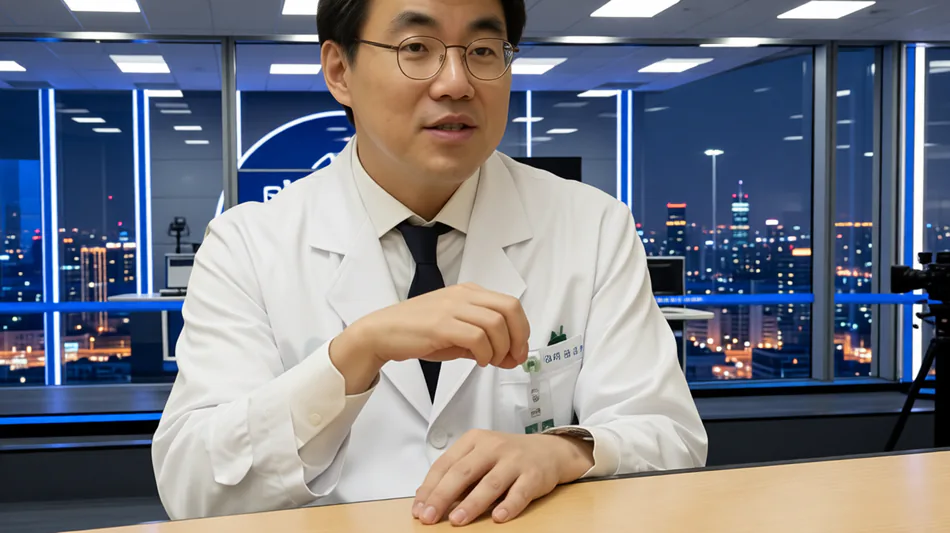
South Korea’s stringent reimbursement criteria for biologic treatments are preventing many severe asthma patients from accessing life-saving therapies, according to Professor Song Woo-jung of Asan Medical Center. The specialist argues that these restrictions force patients to remain dependent on systemic steroids, exposing them to serious long-term complications and exacerbating health inequalities across the country.
South Korea’s stringent reimbursement criteria for biologic treatments are preventing many severe asthma patients from accessing therapies that could reduce their reliance on systemic steroids, according to Professor Song Woo-jung of Asan Medical Center. The specialist argues that these restrictions force patients to remain dependent on steroid medications, exposing them to serious long-term complications and exacerbating health inequalities across the country.
While asthma management in South Korea has advanced significantly over the last two decades—with a broader range of inhalers allowing for more tailored care and a sharp decline in emergency visits for acute attacks—care for severe asthma has stagnated. Professor Song, who serves in the Department of Allergy and Clinical Immunology at Asan Medical Center, noted that while general asthma outcomes have improved, the proportion of patients whose disease progresses to severe forms remains unchanged.
"General asthma treatment has improved considerably, but treatment for severe asthma, in which airway inflammation and uncontrolled symptoms persist despite standard treatment such as inhalers, has stalled," Song said. "That is the biggest issue in asthma care today."
Although several biologic drugs are available in South Korea and some have received reimbursement approval, Song contends that the eligibility requirements are excessively narrow. He described the current system as a delayed response to an emergency, comparing it to refusing support while a fire burns and only providing aid after everything has been destroyed.
"We have the drugs, but reimbursement criteria are so unrealistically restrictive that access to biologics is very limited," Song said. "As a result, most patients continue to depend on steroids, just as they did in the past."
The reliance on systemic steroids poses significant health risks. Prolonged use can lead to severe complications, including diabetes, osteoporosis, hypertension, cardiovascular events, and fragility fractures. Song highlighted data indicating that the risk of these complications begins to rise once a patient’s cumulative steroid dose exceeds 0.5 grams.
"Steroid-related complications such as diabetes, osteoporosis and hypertension are frightening diseases, like ticking time bombs, but that tends to be overlooked," he said. "Patients should be able to receive biologics before their severe asthma worsens, both to prevent future problems and to protect their right to health."
Song contrasted South Korea’s approach with healthcare systems in the United Kingdom and Australia. In those countries, eligible patients can access biologic treatments earlier in the course of their disease. While acknowledging that insurance systems differ between nations, he noted that these international models support treatment while severe airway inflammation is still active, rather than waiting for it to cause irreversible damage.
South Korea introduced reimbursement criteria for severe asthma biologics over the past two years, but Song argues they remain insufficient. He cited medical estimates suggesting that 60 percent of severe asthma patients in South Korea require biologic therapy, yet only 20 percent actually receive it. Furthermore, a report from last year indicated that patients denied access to treatment were disproportionately those facing greater financial hardship.
"Changes to severe asthma care are needed to reduce health inequalities and improve the public’s right to health," Song added.
K.Brown--BTB