Zimbabweans vote in tense poll as president seeks new term / Photo: © AFP

 USA and France ease into women's Basketball World Cup semis
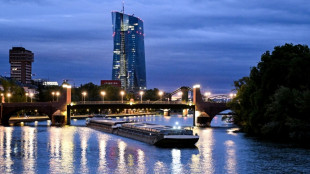
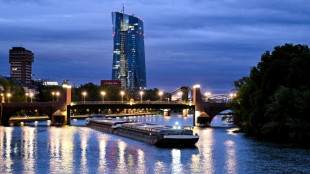
 ECB lifts borrowing costs amid energy shock, opens door for more hikes
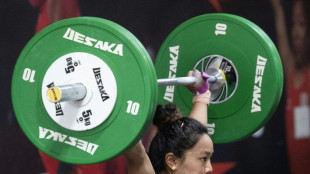
 France defeat China to reach women's basketball World Cup semis
 Tribal Launches Campfire, Letting Business and Technical Teams Build on Salesforce Together

 Yemen's Houthis seize key city on Red Sea
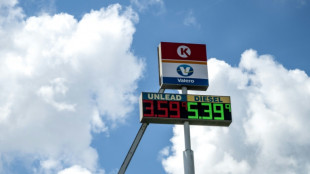 US producer inflation tops expectations as diesel costs jump
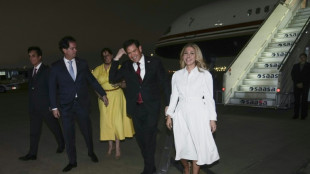 Rubio ends South America swing with Peru security talks

 Defiant Iran seeks to bruise Trump ahead of midterms
 France withdraws support for Infantino in FIFA presidential election
 Evolution Metals & Technologies Provides Initial Revenue Guidance of $400-460mm for Fiscal Year 2027
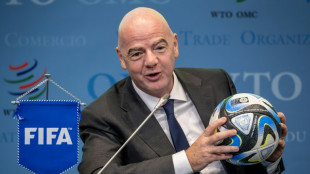
 Clark-led USA thrash Hungary to move into women's World Cup semi-finals

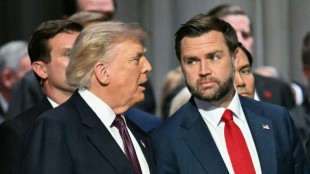 Vance takes spotlight as Republicans close Trump-heavy convention
 Russian skater Valieva loses neutral status
 Will Israel's right exploit sanctions in run-up to vote?
 'Metal Gear' creator moves to Xbox after Playstation cancellation
 Indonesia rescues six orangutans from fires in a week
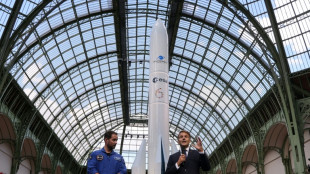 Macron urges Europe to develop 'crewed spaceflight' programme
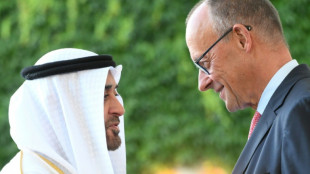
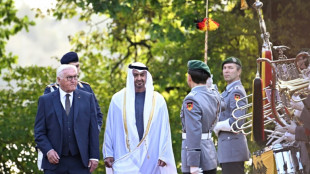 Deals worth billions to be signed as UAE leader visits Germany
 Alessio Vinassa Unveils an Emerging Technology Investment Approach Shaped by Financial Challenges

 Sri Lanka court revokes monk's pardon, orders return to prison
 'Hopeless, stuck, afraid': US deportees in limbo in Cameroon

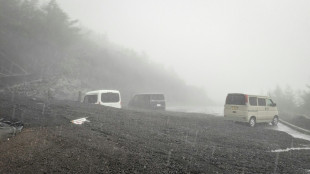 Mount Fuji ends hiking season with landslide, two rescues
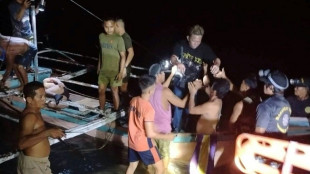
 Seahawks beat Patriots again in NFL opener
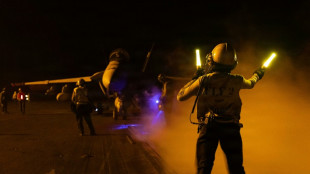
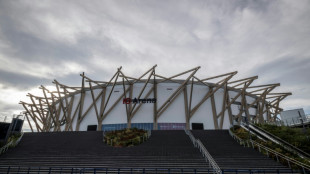 Asian Games begin with Qatar basketball win, nine days before opening ceremony

 Stocks sink as oil rally fans inflation and rate hike fears
Zimbabweans on Wednesday voted in closely-watched presidential and legislative elections after a campaign tainted by a crackdown on the opposition, fears of vote rigging and public anger at the economic crisis.
President Emmerson Mnangagwa, 80, who came to power after a coup that deposed late ruler Robert Mugabe in 2017 is seeking re-election.
His main challenger is Nelson Chamisa, 45, who leads the yellow-coloured Citizens Coalition for Change (CCC) party.
Casting his ballot in his home town of Kwekwe, central Zimbabwe, a confident Mnangagwa told journalists: "If I think I'm not going to take it, then I will be foolish."
"Everyone who contests should go into the race to win", he added, sporting his trademark multicoloured scard.
The opposition is hoping to ride a wave of discontent over the southern African country's economic woes that include high inflation, unemployment and widespread poverty.
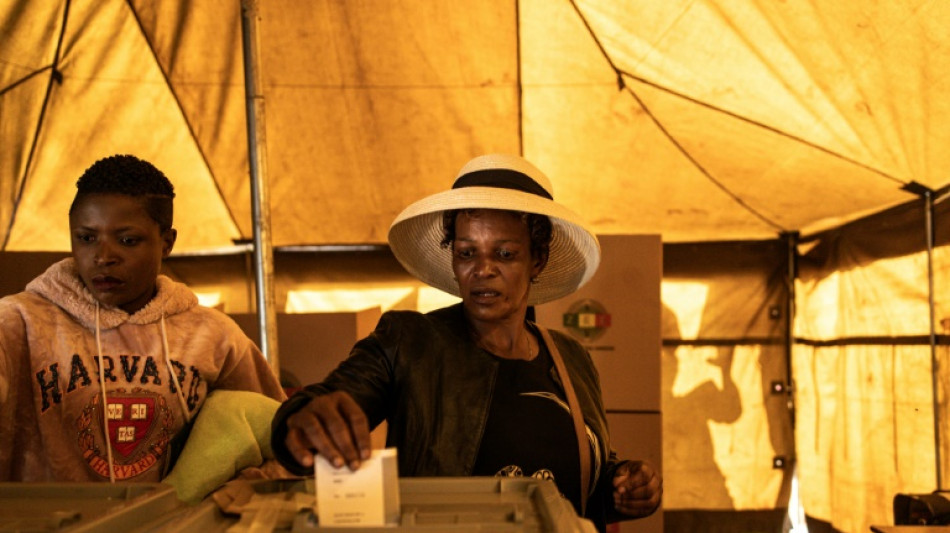
In Harare's oldest suburb Mbare, voters queued early in the morning outside more than a dozen large green tents set up as polling stations on a dusty field facing rundown apartment blocks and empty wooden market stands.
Thick black smoke from a fire at the nearby market billowed over that polling station, which opened after nearly an hour delay in the delivering of ballots.
As the sun rose, some used light from their mobile phones to find their name on voters' rolls hanging outside the tents to make sure they were at the right polling stations.
Before electors cast their ballot, electoral officials marked their finger nail with a indelible black marker to fend off double voters.
"It's important for me to vote," said Diana Office, in her thirties. Asked if she was hopeful things would improve after the elections, she laughed, resting her head on the back of a friend queing in front of her.
"No," she said. "I'm just here to exercise my right only."
Talk of change or a better tomorrow are often associated with support for Chamisa, the opposition leader, who few would openly say they support.
But the odds are stacked against the opposition.
Chamisa, a lawyer and pastor has promised a new Zimbabwe "for everyone" and pledged to tackle corruption, relaunch the economy and pull the country out of international isolation.
- Rigging fears -
Yet, in a nation with a history of tainted elections, few believe he will emerge the outright winner.
His party has complained about being unfairly targeted by authorities, its members have been arrested, dozens of its events blocked and little or no air time has been alloted to it on national television.
But the deputy chairman of the Zimbabwe Electoral Commission (ZEC), Rodney Kiwa, dismissed concerns about irregularities in the voters roll as "the product of creative imagination".
Chamisa is used to disputed elections.
He narrowly lost to Mnangagwa in 2018, in a poll he condemned as fraudulent. It was tainted by a deadly crackdown on post-election protests.
Government spokesman Nick Mangwana said authorities had confidence in the electoral process and believed things would go peacefully.
"I just wish every Zimbabwean would accept the choice of the Zimbabwean people," he told AFP.
- 'Unsustainable' debt -
In Kwekwe, unemployed voter Freddy Kondowe, hopes the election will deliver him "a good job" and that "my president is going to give us good governance".
The former British colony, then named Rhodesia, broke away from London in 1965 under white-minority rule.
After a long guerrilla war, it gained independence in 1980 and was renamed Zimbabwe.
But under Mugabe, the fledgling democracy spiralled into authoritarianism and economic decline.
Things have hardly improved since Mnangagwa came to power -- although his supporters point at infrastructure projects such as roads as signs of his success.
The agriculturally- and mineral-rich country is burdened by "unsustainable" debt levels, according to the World Bank.
Inflation officially stood at 101 percent in July but some economists say the real figure is higher.
To clinch re-election, Mnangagwa -- nicknamed "the crocodile" for his ruthlessness -- must win an absolute majority of votes.
If he doesn't garner at least 50 percent plus one of the votes, he will face a run-off.
J.Horn--BTB