Online media fuelling divisions, global tensions: report / Photo: © AFP

 The Hong Kong Tiananmen vigil activists convicted in national security trial
 Eel-powered Japan whizz-kid, 11, chases Asian Games history
 Asian markets extend rally as traders assess US Treasuries pledge
 Barcelona enter new era as Flick targets La Liga hat-trick

 Pogacar favourite for Vuelta with Grand Tour treble in sight

 Bangladesh coach Simmons wary of Australia backlash in second Test
 Hong Kong Tiananmen activists to receive national security verdict
 Who are the candidates vying to lead the UN?
 Swiatek into Cincinnati semis after Rybakina injury

 University suspends academic behind Jason Arday plagiarism charges
 Key European leaders demand Israel halt West Bank settlement project
 McIlroy bounces back to share BMW Championship lead

 Cobolli fueled by candy in sweet defeat of Paul
 Jailed Pakistan ex-PM Khan moved to hospital on court order: party
 Pogacar eyes 'missing' piece ahead of Vuelta return
 US, Canada 'very close' to trade deal, Ottawa says, as details emerge
 Ronaldinho returns in search of 'beautiful' 300th goal
 US pushes allies, China to back Trump's economic war on Iran
 Former NBA MVP Harden reportedly set to return to Cavaliers

 Brook makes Pakistan pay for drop as England dominate first Test
 MemeCore Arrives on Nasdaq Through $1 Billion Landmark Treasury Transaction
 First US deportees land in Liberia
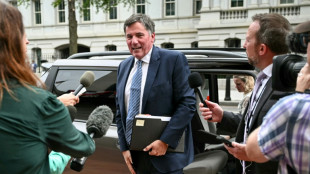 US, Canada resume talks to finalize trade deal as details emerge
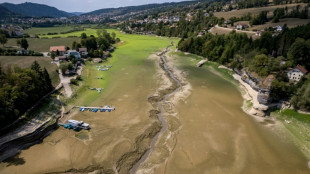 Europe heatwaves scorch 80 million with 40 C heat: AFP analysis
 Carrick insists Man Utd will make more signings after quiet transfer window

Unregulated online content has spread disinformation and propaganda that have amplified political divisions worldwide, fanned international tensions and even contributed to Russia's invasion of Ukraine, a media watchdog warned Tuesday.
Reporters Without Borders said democratic societies are increasingly fractured by social media spreading disinformation and more opinion media pursuing a so-called "Fox News model", referring to the controversial right-wing television network in the United States.
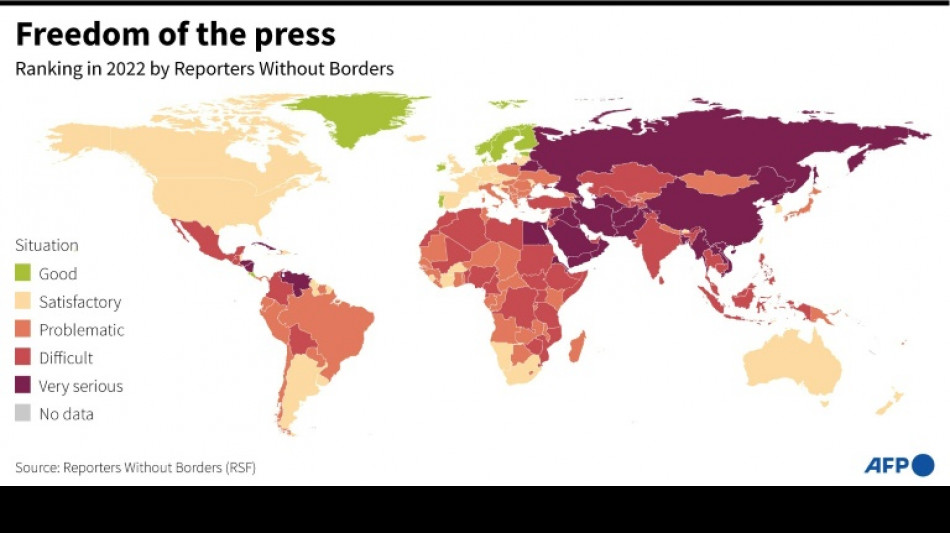
At the same time, despotic and autocratic regimes that tightly control information in their societies are using their "asymmetric" position to wage "propaganda wars" against democracies and fuel divisions within them, the watchdog said in the 2022 edition of its annual World Press Freedom Index.
"Polarisation on these two levels is fuelling increased tension," Reporters Without Borders, widely known by its French acronym RSF, said in a five-page summary.
It noted Russia, where state-run media overwhelmingly dominate and independent outlets are increasingly stifled, invaded Ukraine following a propaganda war.
"The creation of media weaponry in authoritarian countries eliminates their citizens' right to information but is also linked to the rise in international tension, which can lead to the worst kind of wars," RSF Secretary-General Christophe Deloire said.
He added the "Fox News-isation" of Western media also poses a "fatal danger for democracies because it undermines the basis of civil harmony and tolerant public debate".
Deloire urged countries to adopt appropriate legal frameworks to protect democratic online information spaces.
- Record 'very bad' -
The situation is "very bad" in a record 28 countries, according to this year's ranking of 180 countries and regions based on the degree of freedom enjoyed by journalists.
The lowest ranked were North Korea (180th), Eritrea (179th) and Iran (178th), with Myanmar (176th) and China (175th) close behind.
Russia (155th) and ally Belarus (153rd) were also on its red list of the most repressive.
Hong Kong's position plummeted dozens of places to 148th, reflecting Beijing's efforts to use "its legislative arsenal to confine its population and cut it off from the rest of the world", RSF said.
Nordic countries Norway, Denmark and Sweden again topped the index, serving as a democratic models "where freedom of expression flourishes".
The NGO commended Moldova (40th) and Bulgaria (91st) this year due to government changes and "the hope it has brought for improvement in the situation for journalists".
But it noted "oligarchs still own or control the media" in both.
Media polarisation was "feeding and reinforcing internal social divisions in democratic societies" such as the United States (42nd).
That trend was even starker in "illiberal democracies" such as Poland (66th), a European Union country where suppression of independent media was also noted by RSF.
The NGO, launched in 1985 and which has published the yearly index since 2002, has become a thorn in the side of autocratic and despotic regimes around the world.
This year's listing was developed with a new methodology redefining press freedom and using five new indicators -- political context, legal framework, economic context, sociocultural context, and security -- to reflect its "complexity".
L.Dubois--BTB