NATO learns as Ukraine's 'creativity' changes battlefield / Photo: © AFP

 Titan FX Launches Second “Dream Beyond Borders 2.0” Brand Commercial Featuring Keisuke Honda

 Patriots inflict first Bills defeat as Rams surge late

 Brazil's Indigenous back Lula as El Nino fuels forest fires
 Brazil braces for results of election battle between Lula and Bolsonaro
 Indians protest election chief ahead of top court hearing
 'Verity' kills, Cruise bombs in N. American movie theaters
 Colts top Commanders in NFL London game

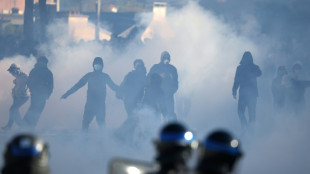 Hundreds of schools to shut Monday as student protests rock France

 Three previous two-time Arc de Triomphe winners

 'Champion' Daryz wins second successive Arc in fine style

 Daryz wins second successive Prix de l'Arc de Triomphe
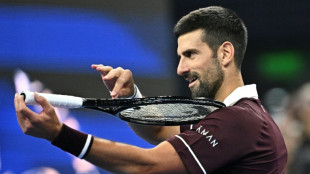
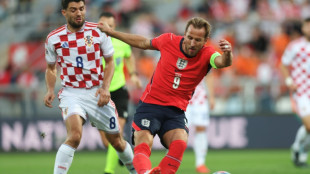 England's seven-goal spree sends message to Euro rivals: Kane
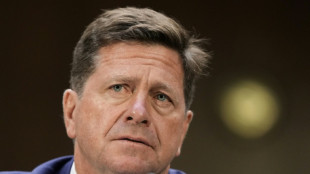 Trump confirms national intelligence chief as new AI czar
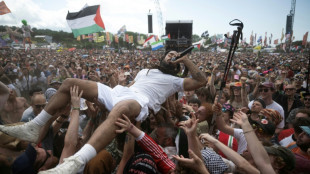
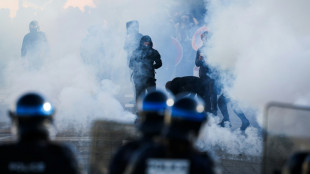 Up to 500 French schools to be totally or partly closed Monday: minister

 Sydney Roosters edge Knights in tense NRL grand final
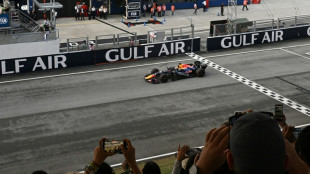
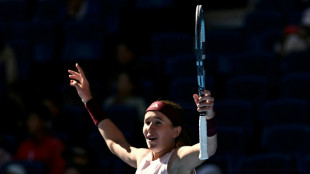 Sabalenka out of China Open in third round, Medvedev into semis
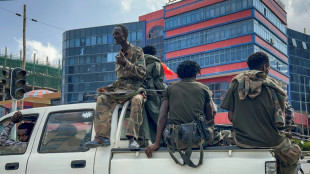 Ethiopia controls Tigray capital as regional rivals meet in Egypt

 Ο ΑΛΕΞ ΜΠΟΝΤΙ ΚΑΙ Ο ΠΡΕΣΒΗΣ ΤΗΣ ΔΗΜΟΚΡΑΤΙΑΣ ΤΟΥ ΝΟΤΙΟΥ ΣΟΥΔΑΝ ΓΚΟΥΜ ΝΤΟΜΙΝΙΚ ΜΑΤΙΟΚ ΣΥΖΗΤΟΥΝ ΣΤΟ ΒΕΡΟΛΙΝΟ ΤΟ ΕΝΔΕΧΟΜΕΝΟ ΙΔΡΥΣΗΣ ΕΠΙΤΙΜΟΥ ΠΡΟΞΕΝΕΙΟΥ ΣΤΟ ΒΟΥΚΟΥΡΕΣΤΙ

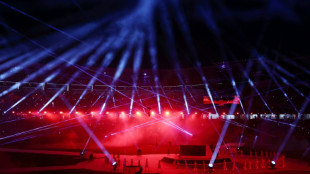 Asian Games close in Japan after records, rancour and rain

 Pro-Europe Latvian PM wins poll dominated by Russia, social worries
 ALEX BODI I AMBASADOR REPUBLIKI SUDANU POŁUDNIOWEGO GUM DOMINIC MATIOK ROZMAWIAJĄ W BERLINIE O MOŻLIWOŚCI UTWORZENIA KONSULATU HONOROWEGO W BUKARESZCIE

 Iran tells US there is no military solution to Middle East war

 ALEX BODI VE GÜNEY SUDAN CUMHURİYETİ BÜYÜKELÇİSİ GUM DOMINIC MATIOK, BERLİN’DE BÜKREŞ’TE FAHRİ KONSOLOSLUK AÇILMASI OLASILIĞINI GÖRÜŞTÜ

 Future of French far-right star in balance after antisemitism claims

 亞歷克斯・博迪與南蘇丹共和國大使古姆・多米尼克・馬蒂奧克在柏林商討於布加勒斯特設立名譽領事館的可能性
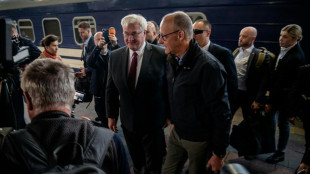
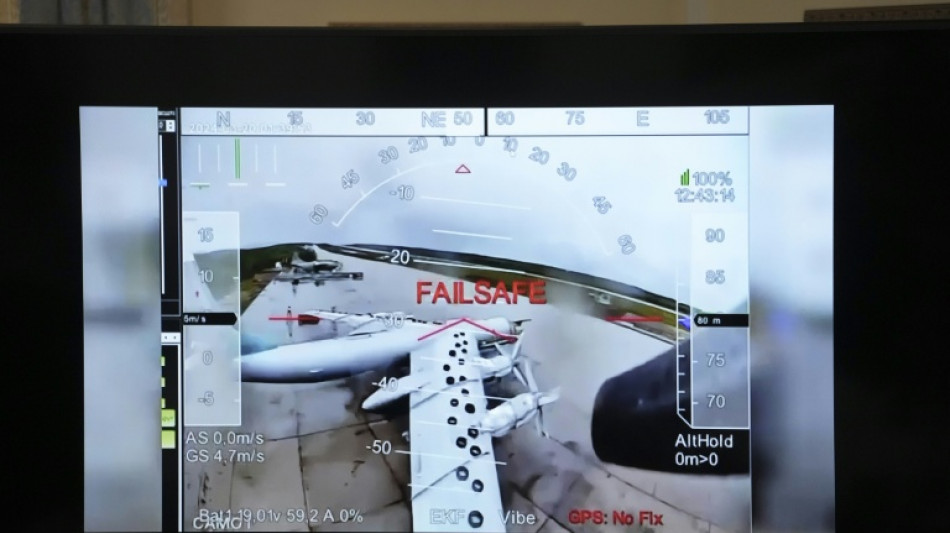
Ukraine's "creativity", including its massive "Spider's web" drone attack deep inside Russia, holds profound lessons for Western militaries, the top NATO commander overseeing battlefield innovation told AFP.
"What the Ukrainians did in Russia was a Trojan horse -- and the trojan horse was thousands of years ago," French Admiral Pierre Vandier, NATO's Supreme Allied Commander Transformation, said in an interview.
"Today, we see this kind of tactic being reinvented by technical and industrial creativity."
Vandier said the operation showed how crucial innovation and adaptation were for victory, as modern warfare changes at lightning speed.
"It was a real coup."
"We are entering a dynamic era where armies must rely on both major planning but also adaptive planning," the navy commander said.
"We will witness continuous innovation where, week by week, month by month or year by year, we will be able to invent things we hadn't anticipated."
- 'Must act quickly' -
Faced with the Russian threat, NATO this week adopted new objectives for its defence capabilities to ensure it will be able to repel Moscow.
But Western intelligence agencies have warned that the Kremlin is reconstituting its forces at a pace far outstripping NATO and could be ready to attack the alliance in as little as four years.
"Time is truly a crucial parameter. We must act quickly," Vandier said.
The admiral, who previously commanded France's flagship Charles De Gaulle aircraft carrier, said NATO needed to amass the forces to dissuade any adversary from trying an attack.
"When you say 'I'm defending myself', you have the weapons to defend. When you say you deter, you have the weapons to deter," he said.
"That's what should prevent war -- making the adversary think: "Tomorrow morning, I won't win."
NATO countries under pressure from US President Donald Trump are expected to agree a major increase in their defence spending target at a summit in The Hague this month.
That should see a dramatic surge in spending on military hardware.
But if cheap Ukrainian drones can inflict billions of dollars in damage on Russian bombers, is it still worth investing in vastly expensive systems?
"No-one in the military sphere will tell you that we can do without what we'll call traditional equipment," Vandier said.
"However, we are certain we need new equipment to complement it."
Officials say that over 70 percent of battlefield casualties in Ukraine are caused by drones.
But while drones are indispensable in modern warfare, they are not omnipotent.
"Today, you won't cross the Atlantic with a 10-meter-long (33-foot-long) drone. You won't easily locate submarines with such tools," Vandier said.
"If they accompany your large platforms, you'll be able to achieve much better results at much lower costs."
- Integrating new technologies -
The admiral, who works out of NATO's US base in Norfolk, Virginia, said the major challenge was "integrating new technologies and new combat methods, based on what we've witnessed in Ukraine".
NATO and Ukraine have established a centre in Poland designed to help the alliance learn lessons from Russia's invasion of its neighbour.
Artificial Intelligence and robotics are also increasingly having an impact and are set to help reshape the battlefield.
"All modern armies will have piloted and non-piloted capabilities," Vandier said.
"It's much more efficient to deliver ammunition with a ground robot than with a squad of soldiers who could face a 155-millimeter (six-inch) shell."
This transformation of military capabilities within the alliance, which NATO aims to expand by at least 30 percent over coming years, will come at a significant cost, estimated in hundreds of billions of euros (dollars).
Vandier insisted that while the financial effort was "substantial" it was "fully realistic".
"Today, we have all the tools. We have the engineering. We have the expertise. We have the technology. So, we need to get started," he said.
Y.Bouchard--BTB