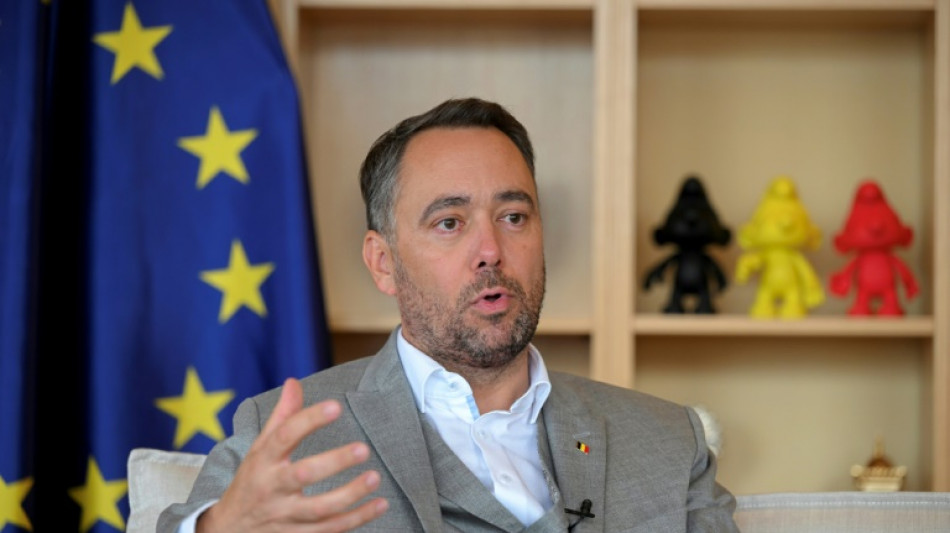
Seizing Russian assets would risk 'terrible systemic shock' to euro: Belgian FM / Photo: © AFP

 Rubio touts US power, calls on Europe to emerge from 'slumber'
 Trump says 'we don't think' Russian plague is bio-weapon
 Five children among 26 killed in Ukraine after Russian strikes

 Man City should 'accept' punishment for rule breaches, says Lineker
 US woman who survived botched execution is awake and speaking
 From 1800s to modern pharma: a Nobel-winning chemistry quest

 Southampton boss Eckert given suspended ban over 'Spygate'
 Russia warns of 'false' information as second plague case reported
 IEA ready to release more oil reserves if necessary
 HSBC 'consults' over UK unit job cuts amid AI adoption
 UK court quashes five ex-traders' Libor rate rigging convictions
 XM Receives “Global Customer Experience Leader Award 2026” at the TrustFinance Performance Awards
 Stocks slide as oil climbs on Mideast flareup
 Heavy casualties in Ukraine after Russian strikes
 French wine harvest set to hit historic low
 Kyiv 'cannot agree' to EU membership limiting food exports: minister

 Arteta targets more Arsenal glory after signing new deal until 2030
 Russell hit with Singapore grid penalty for taking new power unit
 Spotify expands audiobooks to more than 180 markets
 French-Japanese duo wins chemistry Nobel for solving molecular 'mystery'
 England's Nations League surge helps heal World Cup wounds

 Mayor of opposition stronghold Izmir defects to Erdogan party
 Mertens beats Gauff to set up Swiatek clash at China Open
 Benin full of pride at role in Messi's last dance

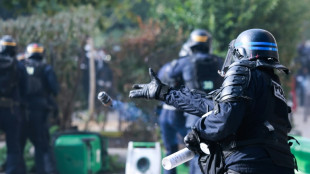 France suspends stun grenade use at student protests ahead of PM speech

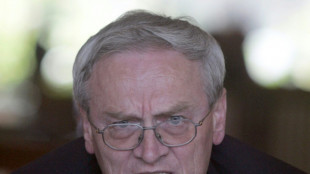
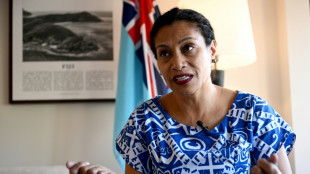
Seizing Russian central bank assets immobilised in the 27-nation EU over the Ukraine war risks inflicting major damage on Europe's economy, Belgian Foreign Minister Maxime Prevot told AFP Friday.
The EU froze some 200 billion euros of Russian central bank assets after the 2022 invasion of Ukraine, the vast majority of which are held by the international deposit organisation Euroclear in Belgium.
"For Belgium, confiscating Russian sovereign assets is not an option," Prevot said in an interview at his Brussels office.
"Such a confiscation, motivated by a political decision rather than a legal or judicial one, would be likely to cause a terrible systemic shock across all European financial markets, deal a severe blow to the credibility of the euro, and thus have very problematic domino effects."
Last year the European Union -- along with its G7 partners -- used the interest being earned on the assets to back a $50 billion loan to Ukraine that is still being paid out in instalments.
But there is pressure from a number of more hawkish EU states to do more to make use of the assets -- with mooted options including confiscating them outright or seeking greater profits by ploughing them into riskier investments.
"Do you think that all the other countries in the world, which have also invested billions and billions in European financial markets, would not risk withdrawing them, saying: 'If it is so easy to have these assets confiscated tomorrow... then I will put them somewhere else,'?" Prevot said.
Prevot also poured cold water on the idea of placing the frozen funds in riskier investments to try to generate higher revenues -- saying that it could leave Belgium alone in the EU being held liable for any losses.
"We're not going to take the risk for everyone with a friendly pat on the back, saying we're counting on you, thank you, and if there's a problem, we'll provide you with advice or lawyers, but that's all," Prevot said.
EU foreign ministers discussed the possibility of doing more with the assets at a meeting in Copenhagen last week, but opposition from Belgium along with other countries such as Germany means there is unlikely to be movement soon.
Diplomats said the European Commission would look further into possible options in the coming months, but for now there seems little chance of further action.
The EU is instead expected to focus on working on ways to make sure the assets are not returned to Russia until Moscow compensates for all the damage it has caused in Ukraine.
Prevot insisted it was essential to "do everything possible" to ensure the money remained frozen in order to finance the future reconstruction of Ukraine.
His comments come as the United States is pushing efforts to end the conflict, which could see the fate of the assets play an important role in any negotiations.
R.Adler--BTB