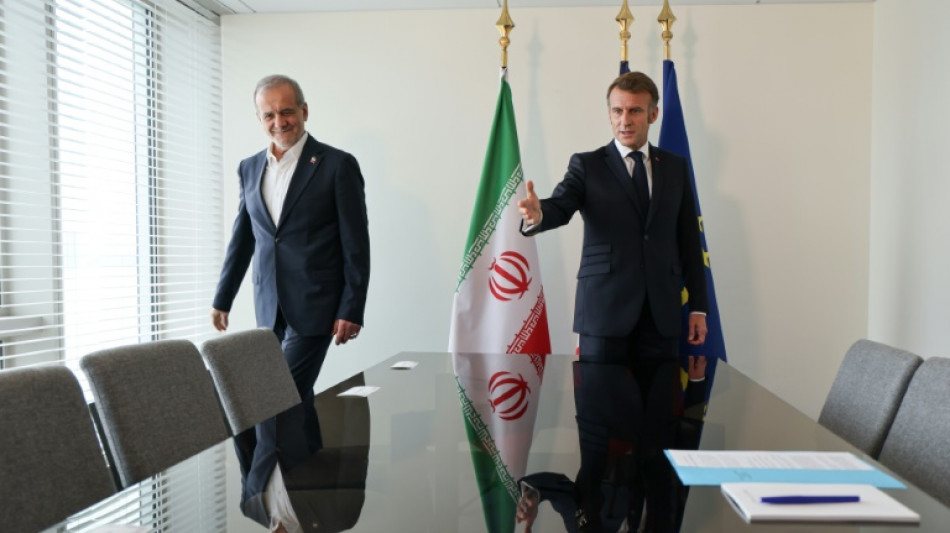
UN sanctions on Iran set to return as nuclear diplomacy fades / Photo: © AFP/File

 Sri Lanka's de Silva quits as Test captain
 Alcaraz feeling 'mentally fresh' ahead of Shanghai return
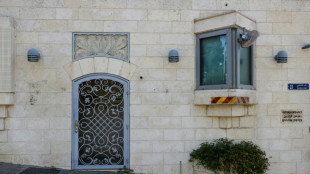 Israel drastically reduces British diplomatic presence in Jerusalem
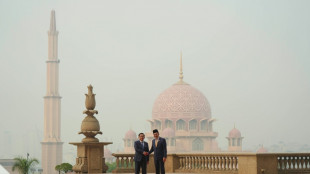
 Stocks fall further as oil surge fans fresh inflation worries

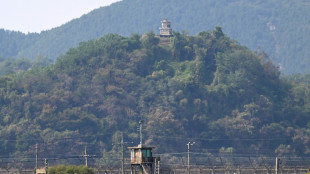 North Korea demands South show 'utmost respect' to restore relations

 Saudi says three dead in airport attacks claimed by Houthis

 'Mad dream': New showcase for African film opens in London
 All Blacks coach Rennie says Wallabies exit 'part of the game'
 The growing protests against India's poll body - and PM Modi
 Stocks fall further as oil spike fans fresh inflation worries
 Bad COP, worse COP? EU tempers hopes for UN climate summit
 Rookie Henry named in Wallabies midfield to face All Blacks
 Housing crisis set to dominate Spain's snap election
 Gas, health care, utilities: high costs squeeze US midterm voters

 New Zealand Rugby seeks injunction over PNG Chiefs name
 Samsung expects 780% quarterly operating profit jump on AI boom

 Guardians survive with 9-3 win over White Sox
 Saudi Arabia says 3 dead at airports after Houthis claim attacks
 Stocks slide as oil sees volatile trading day over Iran war fears

 Microsoft pushes AI vision with new, expensive Surface laptop

 Five children among 28 killed in Russian strikes on Ukraine

 Odell Beckham Jr signs with Minnesota Vikings
 Saudi Arabia says three dead at airports after Houthis claim attacks
 Trump plans to turn Florida golf course into presidential retreat

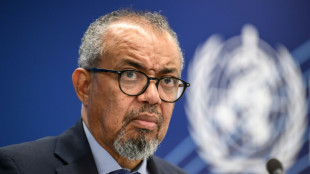 WHO says cannot conduct full risk assessment on Russia plague reports
Iran is set to come under sweeping UN sanctions late Saturday for the first time in a decade, barring an unexpected last-minute breakthrough, after nuclear talks with the West floundered.
The UN nuclear watchdog on Friday said that inspectors had been allowed to return to Iranian sites, but Western powers did not see enough progress to agree to a delay after a week of top-level diplomacy at the UN General Assembly.
European powers set the clock ticking a month ago for the "snapback" of the UN sanctions, accusing Iran of failing to come clean on its nuclear program -- including through countermeasures it took in response to Israeli and US bombing.
The sanctions are set to go into effect at 0000 GMT on Sunday (8:00 pm on Saturday in New York). They will set up a global ban on working with companies, people and organizations accused of developing Iran's nuclear program or ballistic missiles.
Iranian President Masoud Pezeshkian said there was no reason to reach a deal when, in his view, Israel and the United States were seeking to use the pressure to topple the Islamic republic.
"If the goal had been to resolve concerns on the nuclear program, we could easily do that," Pezeshkian told reporters, as he insisted again that Iran will never pursue nuclear weapons.
Pezeshkian, who met during the week with French President Emmanuel Macron, said France had proposed that Iran give up its stockpile of highly enriched uranium in return for a one-month delay in the return of sanctions.
"Why would we put ourselves in such a trap and have a noose around our neck each month?" he said.
He accused the United States of pressing the Europeans not to reach a compromise.
Steve Witkoff, Trump's friend and roving negotiator, had said that the United States does not want to hurt Iran and was open to further talks.
But Pezeshkian charged that Witkoff lacked seriousness, saying he had backtracked on agreements during earlier talks -- which abruptly stopped when Israel launched its military campaign.
- No Russia enforcement -
The sanctions are aimed at imposing new economic pain to pressure Iran, but it remains to be seen if all countries will enforce them.
Russian deputy ambassador Dmitry Polyansky said Friday that Moscow, a top partner of Iran, considered the reimposition of sanctions "null and void."
Russia and China sought at the Security Council Friday to delay the reimposition of sanctions until April but failed to muster enough votes.
The United States already imposes unilateral sanctions on Iran and has tried to force all other countries to stop buying Iranian oil, although companies from China have defied the pressure.
Trump imposed a "maximum pressure" campaign during his first term when he withdrew from a landmark 2015 nuclear agreement negotiated by former president Barack Obama that had offered sanctions relief in return for drastic curbs on Iran's nuclear program.
The new sanctions mark a "snapback" of the UN measures that were suspended under the 2015 deal, which had been strongly supported by Britain, France and Germany after Trump's withdrawal.
The International Crisis Group, which studies conflict resolution, said in a report that Iran seemed dismissive of the snapback as it had already learned to cope with the US sanctions.
But it noted that the snapback was not easy to reverse as it would require consensus at the Security Council.
"It is also likely to compound the malaise around an economy already struggling with high inflation, currency woes and deepening infrastructure problems," the report said.
Israeli Prime Minister Benjamin Netanyahu in a defiant UN address Friday urged no delay in the snapback and hinted that Israel was willing to again strike Iran's nuclear program, after the 12 days of bombing in June that Iranian authorities say killed more than 1,000 people.
Pezeshkian said that Iran would not retaliate against the sanctions by leaving the nuclear Non-Proliferation Treaty, warning that unnamed powers were seeking a "superficial pretext to set the region ablaze."
I.Meyer--BTB