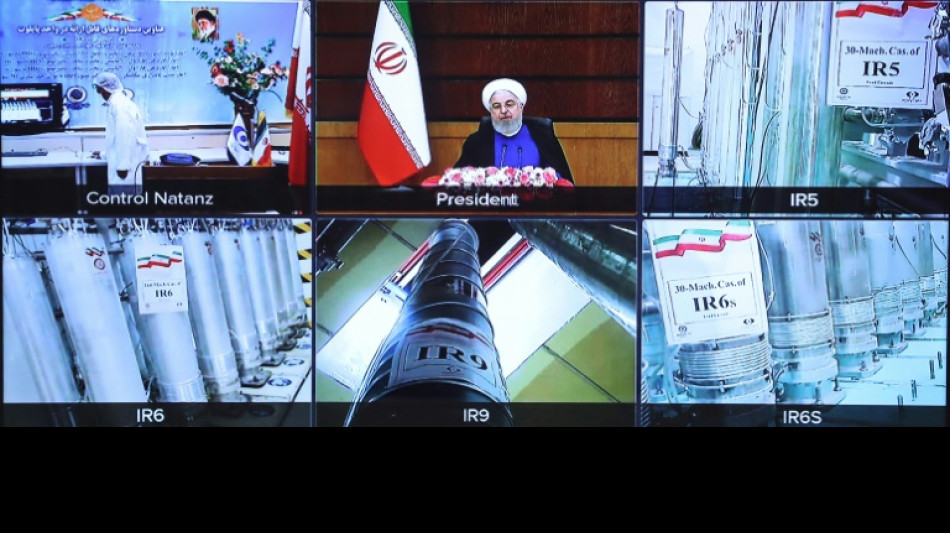
'Snapback': What sanctions will be reimposed on Iran? / Photo: © Iranian Presidency/AFP/File

 Sri Lanka's de Silva quits as Test captain
 Alcaraz feeling 'mentally fresh' ahead of Shanghai return
 Israel drastically reduces British diplomatic presence in Jerusalem
 Stocks fall further as oil surge fans fresh inflation worries

 North Korea demands South show 'utmost respect' to restore relations

 Saudi says three dead in airport attacks claimed by Houthis

 'Mad dream': New showcase for African film opens in London

 All Blacks coach Rennie says Wallabies exit 'part of the game'
 The growing protests against India's poll body - and PM Modi

 Stocks fall further as oil spike fans fresh inflation worries
 Bad COP, worse COP? EU tempers hopes for UN climate summit
 Rookie Henry named in Wallabies midfield to face All Blacks

 Housing crisis set to dominate Spain's snap election
 Gas, health care, utilities: high costs squeeze US midterm voters

 New Zealand Rugby seeks injunction over PNG Chiefs name
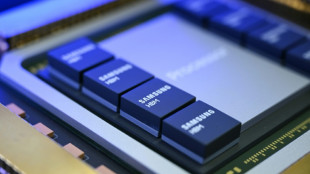 Samsung expects 780% quarterly operating profit jump on AI boom
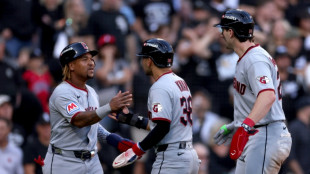 Guardians survive with 9-3 win over White Sox
 Saudi Arabia says 3 dead at airports after Houthis claim attacks
 Stocks slide as oil sees volatile trading day over Iran war fears

 Microsoft pushes AI vision with new, expensive Surface laptop

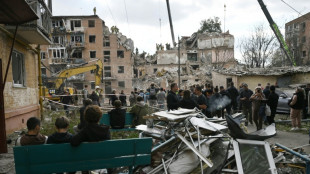 Five children among 28 killed in Russian strikes on Ukraine

 Odell Beckham Jr signs with Minnesota Vikings
 Saudi Arabia says three dead at airports after Houthis claim attacks

 Trump plans to turn Florida golf course into presidential retreat

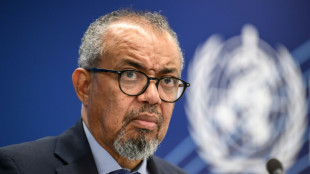 WHO says cannot conduct full risk assessment on Russia plague reports
A raft of UN sanctions on Iran over its nuclear program, lifted under a landmark 2015 deal, will go back into force at the end of Saturday -- barring a diplomatic breakthrough, thought to be unlikely.
The sanctions will be reimposed because the "E3" European group -- Britain, France and Germany -- triggered a mechanism in the deal alleging Tehran was not meeting its obligations.
Here are some key facts about the so-called "snapback" process:
- What do the sanctions target? -
The sanctions target companies, organizations and individuals that contribute directly or indirectly to Iran's nuclear program or the development of its ballistic missiles.
Providing necessary equipment, expertise, or funding are all grounds for sanctions.
- Swath of the economy affected -
The sanctions that will be reinstated include an embargo on conventional weapons with the prohibition of any sale or transfer of arms to Iran.
Imports, exports or transfers of parts and technologies related to the nuclear and ballistic program will be prohibited.
The assets of entities and individuals abroad belonging to Iranian persons or groups linked to the nuclear program will be frozen.
Individuals designated as participating in prohibited nuclear activities may be banned from traveling to UN member states.
UN member states will be required to restrict access to banking and financial facilities that could help Iran's nuclear or ballistic programs.
Anyone violating the sanctions regime could see their assets frozen worldwide.
- The EU had its own sanctions -
Separate measures by the European Union could now be reimposed alongside the core, global sanctions.
Their goal was to hit the Iranian economy, not only to hamper nuclear activity but also to inflict fiscal pain to force Tehran to comply.
Western nations fear that Iran will acquire nuclear weapons, which Tehran vehemently denies while defending its right to develop a nuclear program for civilian purposes.
The United States already imposes its own sanctions, including ones to prohibit other countries from buying Iranian oil, after President Donald Trump withdrew from the nuclear deal in his first term.
- How does 'snapback' take effect? -
The "snapback" process reactivates UN resolutions, but their practical implementation requires UN member states to update their laws to comply.
It will be down to the EU and Britain to pass legislation so that the sanctions can be enforced, but neither has given details on that process.
- How are sanctions enforced? -
The UN Security Council resolutions and the associated sanctions are binding -- but are regularly violated.
The big question is whether countries like China and Russia, which consider the triggering of the "snapback" illegal, might decide not to comply.
Some countries, including China, continued to trade with Iran despite the presence of US sanctions.
The European powers expect Russia will not comply with the sanctions but are unclear about how China, which imports a significant amount of oil from Iran, might react.
"There is a cost to circumventing sanctions, a political cost, but also a financial and economic cost because financial transactions become more expensive," said Clement Therme, an associate researcher at the International Institute for Iranian Studies linked to Sorbonne University.
Shipping companies are one example of businesses that will feel the pinch.
"In the case of UN sanctions, we probably won't see a full blockade, but rising costs instead," Therme added.
L.Dubois--BTB